The sweet, bitter side of city marathons
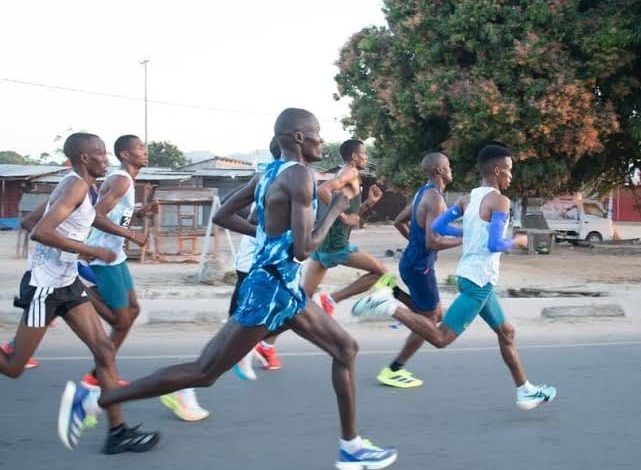
DODOMA: CITY marathons have increasingly become a new culture, attracting thousands of participants and bringing economic benefits to local communities.
Cities have increasingly been hosting a number of marathon events organised by corporate institutions, with the races becoming popular social and sporting occasions.
While such initiatives significantly bring positive social and economic benefits, including boosting businesses, raising funds for enhancing charitable services and creating opportunities for local traders, the events have also been leaving behind negative effects, particularly environmental waste.
In an interview with the Sunday News recently, some city residents said that despite the notable benefits generated by marathon events, the occasions pose a serious environmental challenge through the generation of significant amounts of plastic waste.
Mr Hamis Hassan, who grills chicken near Dodoma Airport, said a recent marathon organised in the capital by a renowned financial institution attracted a large number of customers, particularly participants in the race.
Apart from the substantial profits he makes during such events, Mr Hassan said one of the clearest signs that a marathon has passed through a particular route is the amount of litter left behind, particularly plastic water bottles.
“Because they are in motion, when they pick bottled water at various water points, they run with it after quenching their thirst and throw it away while on their way to their final destinations,” he said.
Ms Martha Chibwete, a food vendor operating near Jamhuri Stadium, where some marathon events finish, said such occasions were a period of increased business, not only for food vendors but also for traders selling alcoholic and soft drinks, taxi drivers and guesthouse owners.
Ms Chibwete described marathon days as “harvesting time” for local businesses.
She acknowledged that plastic bottle litter was one of the negative effects of such events, but suggested that residents should also take responsibility for cleaning the environment because they benefit economically from the events.
Benedict Msungu, a photographer based in the capital, said his experience showed that photographs taken during such events often captured plastic waste, particularly bottles of energy drinks and water.
“Without even seeing marathoners, you can know they have passed through a certain route because of the kind of waste littered. These are nothing else other than plastic water bottles,” Mr Msungu said.
However, environmentalists who spoke to the Sunday News warned that the growing number of marathon events could have lasting environmental consequences if waste management was not incorporated into event planning.
They called on organisers to mainstream a “zero-plastic” agenda from the planning stage in order to protect the environment and ensure that the benefits of the events are not undermined by their environmental impact.
Dr Ritha Kalokola, a distinguished lecturer at the University of Dar es Salaam’s Institute of Resource Assessment, said plastic bottles were non-biodegradable and therefore posed a significant environmental hazard.
She urged organising committees to allocate funds for waste collection facilities and provide designated bins at water points where runners could dispose of used plastic bottles instead of throwing them along the streets and relying solely on waste collectors to clean up afterwards.
“Along the route, there are some areas where there are no waste collectors. The bottles may remain there for a long time if deliberate actions are not taken to collect them. These events should therefore be used to champion environmental protection, with participating runners taking responsibility.
“They should carry their bottles until they reach designated disposal points,” she urged.
To address the challenge more permanently, Dr Kalokola suggested that organisers introduce zero-waste initiatives, including replacing plastic water bottles with biodegradable or compostable cups and encouraging participants to bring their own reusable hydration systems.
She expressed optimism that, if taken seriously, the proposed measures would not only reduce the environmental impact of marathons but also promote environmentally conscious behaviour among participants and spectators.
Environmental Conservation Community of Tanzania (ECCT) Co-founder and Head of Programmes, Mr Mamlo Yusuf, told the Sunday News that marathons were not inherently harmful because of their significant benefits to communities, but could become detrimental to the environment if they were not properly planned with environmental considerations in mind.
“During marathons, the use of bottled water and other bottled drinks can generate large amounts of waste within a short period. When these bottles are left on streets, in drainage systems or in open spaces, they can contribute to environmental pollution, block drainage systems and increase the waste burden that communities are already struggling to manage.
“Organisers should recognise that not every bottle that is thrown away ends up in the recycling system.
“Therefore, having people who collect bottles for sale is a good thing, but it should not be the event’s only waste-management plan.
Organisers should have their own system for collecting, sorting and directing waste to appropriate recycling channels,” he said.
To address the challenge, Mr Yusuf suggested that corporate institutions and other event organisers should estimate the amount of waste likely to be generated and provide sufficient waste collection points at starting areas, along the routes and at finishing points.
Other measures, he said, should include separating waste at source, involving waste collectors and recycling companies, reducing the use of single-use plastics, establishing dedicated environmental and clean-up teams and developing environmental protection messages for participants.
ALSO READ: CRDB Marathon’s raised 5bn/- facilitates treatment of 400 children, 240 pregnant women
He said incorporating such measures into marathon planning would help ensure that the economic benefits generated by the events did not come at the expense of the environment.