Morogoro domestic workers employers urged to comply with labour laws
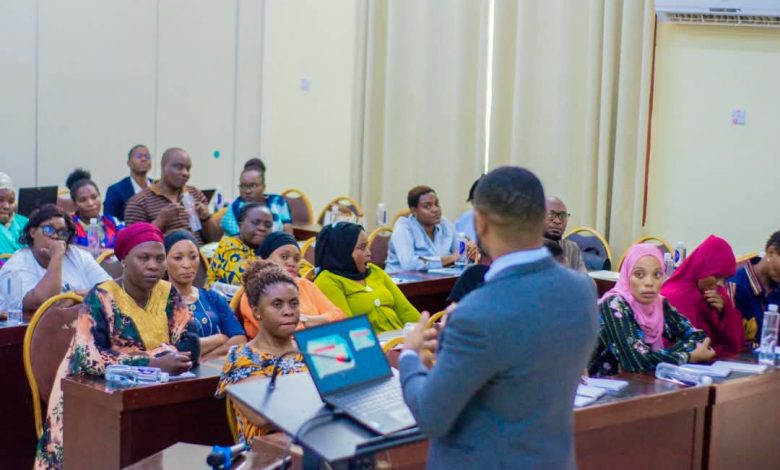
MOROGORO, Tanzania: Employers of domestic workers in Morogoro Region have been urged to comply with labour laws, provide formal employment contracts and understand the rights and responsibilities of domestic workers in order to reduce disputes arising in households.
The call was made in Morogoro during a seminar organised by the International Labour Organization (ILO) in collaboration with the Conservation, Hotels, Domestic and Allied Workers’ Union (CHODAWU) and the Commission for Mediation and Arbitration (CMA).
The seminar aimed to educate employers of domestic workers on labour laws, as well as their rights and responsibilities under domestic employment arrangements.
Speaking after the training, Mary Nkata, an employer from Boma Ward, King’ola Street, said the seminar had given participants a better understanding of the responsibilities of both employers and domestic workers, as well as the laws governing domestic employment.
She said the training had helped employers recognise that domestic work is employment like any other form of work and that domestic workers should therefore be treated with dignity and protected in accordance with the law.
“I advise fellow employers to hire domestic workers through formal employment contracts so that both parties understand their rights and responsibilities. The law protects the employer, but it also protects the employee,” Nkata said.
Meanwhile, Asha Mabote, a representative of domestic workers’ employers, said the training had helped employers understand their responsibilities, the labour laws they are required to comply with and appropriate ways of maintaining good working relationships with domestic workers.
She said one of the key lessons was the importance of having mutually agreed employment contracts entered into voluntarily by both parties, as well as ensuring that workers meet the legally required minimum age for employment.
ALSO READ: Tanzania supports WHO reform agenda
Mabote thanked the ILO and other stakeholders involved in organising the training, saying employers would use the knowledge gained to improve their relationships with domestic workers.
Another employer, Howard Gumbo, from Kihonda, said the seminar had helped him gain a better understanding of the legal rights of domestic workers.
He noted that many people live and work with domestic workers without fully understanding the rights guaranteed to them under the law, in addition to their basic human rights.
“These workers have legal rights, and they also have their own registered unions. The training has greatly improved our understanding. Previously, we regarded them simply as ‘sisters’ in the household rather than as employees, just like workers in other sectors,” Gumbo said.
For her part, Asteria Gerald, Head of the Legal Department at CHODAWU, said it was important to build the capacity of both employers and domestic workers at the same time, arguing that educating only one side would not be enough to reduce disputes.
She said many employers lack sufficient knowledge of labour laws governing domestic workers, a situation that can sometimes lead to violations of the law without the employers even being aware of it.
“The aim is to continue building the capacity of employers and domestic workers so that they understand their rights and responsibilities. We believe that educating employers about labour laws can help reduce the disputes that have been occurring in domestic employment,” Gerald said.
She added that increased awareness of labour laws would help create better working conditions, promote mutual respect and ensure that both employers and domestic workers carry out their responsibilities while respecting each other’s rights.