Tanzania issues new directives to diaspora
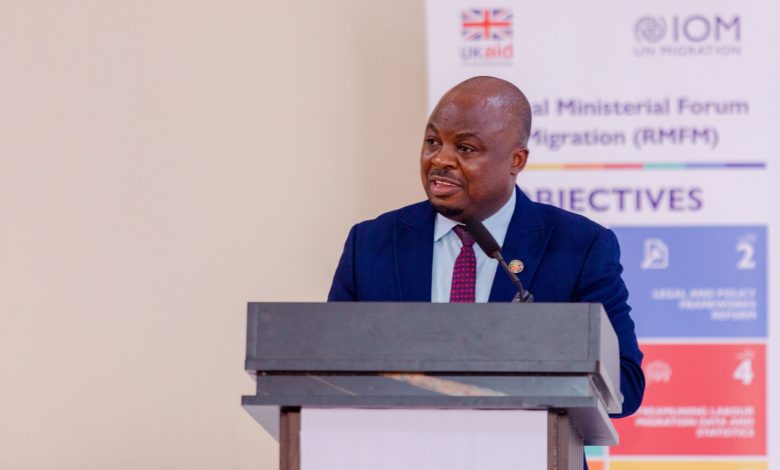
DODOMA: The Government has directed all Tanzanians living and working abroad who left the country without following official procedures to report to Tanzanian embassies so they can be identified and registered in a government database.
Tanzanians travelling abroad for employment have also been reminded to report to their respective embassies within 14 days of arrival.
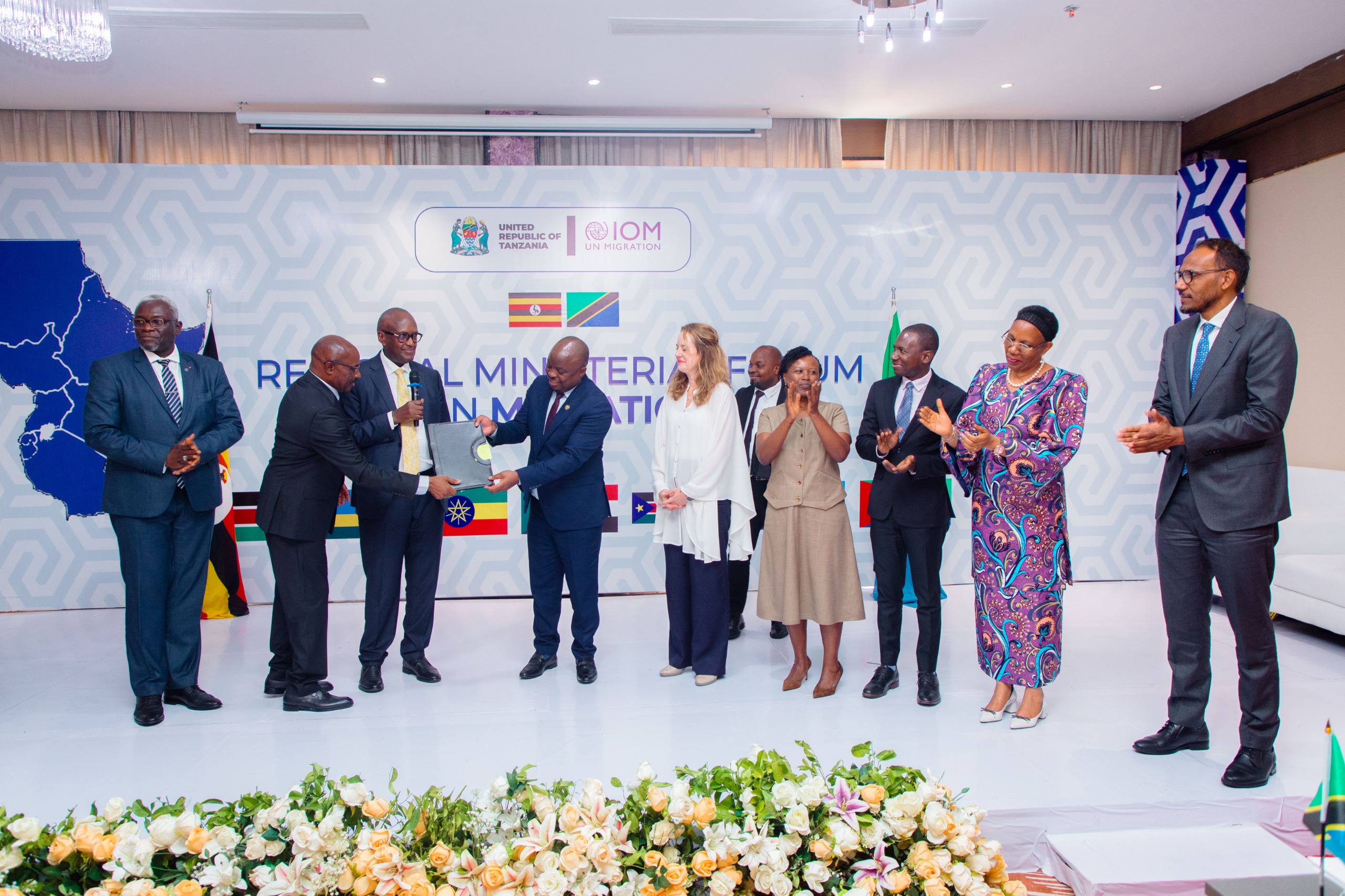
Minister of State in the Prime Minister’s Office (Labour, Employment and Industrial Relations), Deus Sangu issued the directives in Dodoma yesterday during the Regional Ministerial Forum on Migration (RMFM) on harmonising labour migration policies in East and the Horn of Africa.
The forum also saw Tanzania officially assume the chairmanship of the RMFM from Uganda.
Mr Sangu said he had personally visited countries with large numbers of Tanzanians working abroad to educate them on the importance of using official government procedures when seeking employment overseas so they could receive timely assistance whenever they faced challenges.
“First, this is an issue that has existed for a long time, which is why the Government, particularly the Government of the United Republic of Tanzania, has established procedures to ensure that every Tanzanian travelling abroad for employment follows the official government process,” he said.
He said in the past, private recruitment agents had taken direct responsibility for sending Tanzanians abroad, only to abandon some of them after they arrived in foreign countries.
ALSO: COSTECH highlights the protection of youth innovation rights
According to him, the labour authorities were working closely with the Ministry of Foreign Affairs through Tanzanian embassies abroad, which had been directed to ensure that Tanzanians working in foreign countries were registered and maintained contact with their missions.
“The response through our embassies has been encouraging, particularly in the Gulf Cooperation Council (GCC) countries. We have seen many of our people working abroad register, enabling us to identify them and establish direct communication with the Government,” he said.
He said the initiative was intended to address cases of abuse, including employers withholding workers’ passports, mistreatment and, in some cases, forced sexual exploitation and other forms of abuse that violate human rights.
Mr Sangu said the Government had made the protection of Tanzanian workers abroad a priority, noting that significant progress had been made in the first eight months of the initiative.
“Our goal is to protect Tanzanian workers so they can work safely and, when they complete their contracts and wish to return home, they come back successfully rather than facing problems. That is the Government’s objective in empowering our people,” he said.
He added that Tanzania would, over the next two years, provide adequate education to young people travelling abroad for employment so they understand their rights and responsibilities.

“Going abroad to work is not slavery. It is about finding employment opportunities for our young people and enabling them, as global citizens, to gain skills and knowledge abroad,” Mr Sangu said.
Mr Sangu said Tanzania had been entrusted with several responsibilities under the regional framework and welcomed cooperation from the International Organization for Migration (IOM).
He said he had held discussions with IOM Director-General Amy Pope ahead of the forum, including during her visit to his office, and that the UN agency was ready to work with Tanzania and the wider region on labour migration issues.
For his part, Uganda’s Cabinet Minister for Gender, Labour and Social Development, Lt Gen Henry Tumukunde, said his country had chaired the forum for two years and had undertaken several initiatives to strengthen regional cooperation on labour migration.
He said Uganda had handed over documents outlining work that needed to continue, particularly efforts to ensure that workers from the region travelling abroad could be protected and supported collectively.
“We need to work together to ensure that when our people leave the region to work abroad, we can support them as a region. If they face challenges, they should be able to receive services or support from any of the 11 member countries,” Lt Gen Tumukunde said.
The event was attended by representatives from the International Organization for Migration (IOM)/UN Migration, the Intergovernmental Authority on Development (IGAD), as well as officials from the governments of Tanzania and Uganda.