TARURA to create more jobs through road maintenance
DAR ES SALAAM: THE Tanzania Rural and Urban Roads Agency (TARURA) is set to create employment and income opportunities for thousands of Tanzanians by assigning more than 7,000 kilometres of roads in 104 councils to community groups for routine maintenance in the 2026/27 financial year.
The Community-Based Routine Maintenance (CBRM) programme, implemented under the RISE Project, will generate jobs for local communities while improving road conditions.
TARURA CB-RM Coordinator, Eng Richard Misa, said the programme will expand to 25 regions, with Dar es Salaam to be included at a later stage.
He noted that more than 1,100 community groups are expected to secure road maintenance contracts during the year.
“In the 25 regions, we will cover over 104 councils, maintain more than 7,000 kilometres of roads and create opportunities for more than 1,100 groups,” Eng Misa told the Daily News.
The programme was first rolled out in the 2025/26 financial year in Tanga, Morogoro, Coast and Dodoma regions, covering eight councils.
During the initial phase, more than 1,500 kilometres of roads were maintained by 302 community groups.
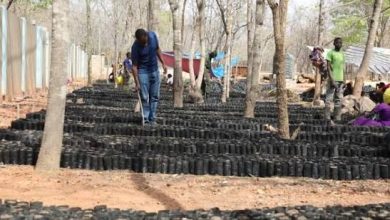
The groups carry out routine activities such as clearing drainage systems, culverts and bridges, removing obstacles and cutting grass to protect roads from water damage.
ALSO READ: TARURA empowers over 20 Kongwa community groups in road maintainance
“We know water is the biggest enemy of roads. When communities carry out these activities, roads last longer and perform better,” he said.
Eng Misa added that early maintenance helps reduce government spending on major repairs by preventing minor damage from escalating into costly failures.
Beyond safeguarding infrastructure, the programme aims to boost household incomes, create employment and strengthen community ownership of local roads. By the end of the threeyear RISE Project, TARURA targets maintaining more than 15,000 kilometres of roads through community groups, with over 3,000 groups expected to benefit.
With each group comprising between five and 20 members, the initiative could directly benefit between 15,000 and 60,000 people.