

Mining investment must turn into lasting national value
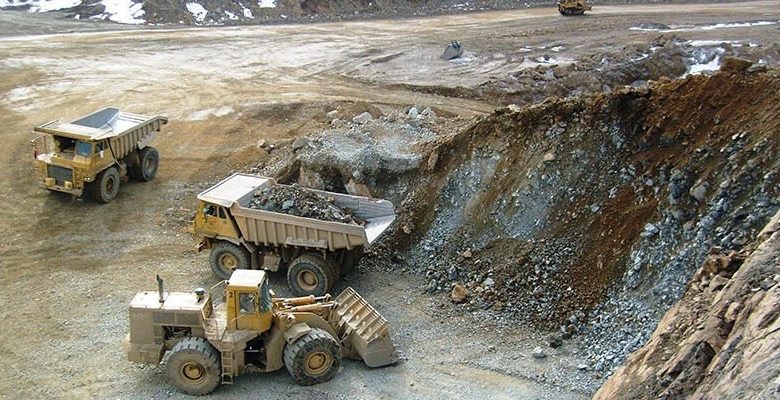
DAR ES SALAAM: TANZANIA’S mining sector is entering an important phase, marked by growing investor confidence and a stronger determination by the government to secure greater national benefits from the country’s mineral wealth.
The reported 3.6 billion US dollars (about 9tri/-) in mining investment over the past four years is encouraging, but the real measure of success will be what these investments deliver to Tanzanians.
The agreement with Henan Yudi Mining Company for a graphite project in Morogoro is particularly significant. With proven deposits estimated at 104.28 million tonnes, an expected investment of about 100 million US dollars and annual production of 50,000 tonnes of graphite, the project has the potential to create jobs and stimulate economic activity.
The government’s 17 per cent stake is also an important indication that Tanzania wants to move beyond simply collecting taxes, royalties and fees from mining operations.
That approach deserves support. For too long, mineral-rich African countries have faced the challenge of exporting valuable resources while retaining only a limited share of the wealth created from them.
Tanzania should, therefore, ensure that its participation in mining projects translates into tangible benefits through employment, technology transfer, local procurement, skills development and industrial growth. Graphite presents an even bigger opportunity.
ALSO READ: TMIC 2026 to boost mining investment in Tanzania
As a key material in lithium-ion battery anodes, demand is expected to remain closely linked to the expansion of electric vehicles, renewable energy storage and other technologies.
Tanzania’s substantial graphite reserves could, therefore, become an important asset in the global clean-energy supply chain. However, attracting investment should not be viewed as an achievement in itself.
Strong agreements must be followed by strict monitoring to ensure investors meet their commitments, workers’ rights are protected and host communities receive meaningful benefits.
Environmental protection must also remain central, particularly where large-scale mining could affect land, water and livelihoods. The government’s emphasis on value addition is, therefore, welcome.
Tanzania should aim to develop processing and manufacturing capacity locally instead of allowing the country to remain primarily an exporter of raw minerals. This would create more skilled jobs, expand the industrial base and increase government revenues over the long term.
The growing cooperation between Tanzania and China, as reflected in the graphite agreement, can contribute significantly to this ambition.
But every investment partnership must ultimately serve Tanzania’s development interests. The current mining boom is an opportunity that should not be squandered.
Tanzania has the minerals; the challenge now is to build the institutions, industries and skills needed to ensure that the wealth beneath the soil produces lasting prosperity above it.



Some genuinely select content on this site, saved to fav.