

Healthy life starts with your mouth: Why dental care deserves far greater attention
DAR ES SALAAM: THEY say health is wealth, and maintaining good health is one of the most important responsibilities every individual carries.
Good health enables people to enjoy life fully, remain productive and participate meaningfully in their families, communities and workplaces in an increasingly dynamic world.
Achieving and maintaining good health requires attention to several important areas.
Regular health screenings conducted by qualified health practitioners can help identify potential problems early, while physical exercise strengthens the body and supports overall physical and mental wellbeing.
A balanced diet, adequate rest, stress management and healthy lifestyle choices also contribute significantly to a person’s quality of life.
However, one important area of health that is sometimes overlooked is dental health and oral hygiene. The condition of the mouth can have a significant bearing on overall wellbeing.
The mouth is the entry point for food and drink, and it is also home to millions of bacteria. While not all bacteria are harmful, poor oral hygiene can allow harmful bacteria and plaque to accumulate, increasing the risk of tooth decay, gum disease and oral infections.
In addition, oral inflammation and infections can affect general wellbeing and may be associated with other health problems.
For this reason, taking care of the mouth should not be regarded as a minor routine. It should form an essential part of a person’s broader health and preventive-care practices.
People have different habits and beliefs when it comes to oral hygiene. Some believe the mouth should be cleaned after every meal, while others have developed the habit of brushing only once a day, usually in the morning before or after breakfast.
Health professionals generally recommend brushing teeth at least twice a day, including once before bedtime, using fluoride toothpaste. Cleaning between the teeth, where appropriate, can also help remove plaque and food particles that a toothbrush may not reach.
Regular dental checkups provide another important layer of protection because dentists can identify problems before they become more serious.
The objective is not simply to have a clean-looking mouth. Proper oral hygiene helps protect the teeth and gums and can prevent painful and costly problems later in life.
Tooth decay, gum disease and oral infections are among the problems that can develop when oral care is neglected.
Yet many of these conditions are preventable or can be managed more effectively when detected early. Food choices also play an important role.
Frequent consumption of sugary foods and drinks can increase the risk of tooth decay because oral bacteria use sugars to produce acids that can damage tooth enamel.
Reducing excessive sugar intake, drinking water and maintaining a balanced diet can therefore complement regular brushing and professional dental care.
These basic practices become even more important in communities where access to dental services can be difficult because of distance, cost or limited availability of specialists.
It is therefore encouraging to see organisations taking an active role in bringing dental health services and education closer to communities that may otherwise struggle to access them.
Recently, hundreds of people in Sikonge District, Tabora Region, benefited from a free Dental Health and Oral Hygiene Outreach Camp held from July 17 to 19, 2026.
Organised by Project Rise, the global philanthropic arm of the Dawoodi Bohra Community, the three-day initiative brought dental services directly to residents of Ipole and neighbouring villages in Sikonge District.
The camp was made possible through close cooperation between Project Rise and the Sikonge District Commissioner’s Office, the District Medical Office, the District Dental Officer, local government authorities and Ugunda Secondary School.
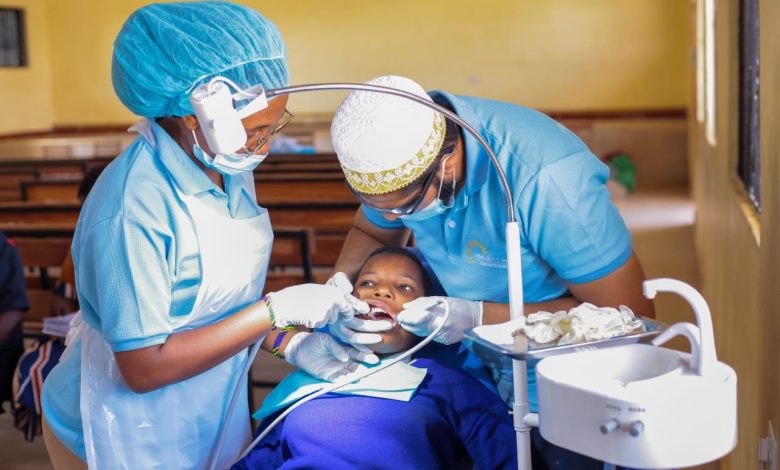
For the duration of the outreach, part of the school compound was transformed into a temporary working dental clinic, making essential services more accessible to residents.
A team of qualified dental professionals examined patients and provided treatment for a range of oral health problems, including tooth decay, gum disease and oral infections.
Necessary tooth extractions were also carried out, medication was provided where required, while patients who needed specialised treatment were referred to nearby health facilities for further care.
By the end of the camp, the organisers reported that 2,000 people had benefited from the initiative. This included 1,500 students who received oral health education, while 1,000 patients were screened and treated and 50 patients were referred for advanced care.
Beyond the numbers, however, were individual experiences that demonstrated the difference such an outreach can make.
For Amani, who had endured persistent tooth pain for months, receiving treatment brought immediate relief.
He explained that he had delayed seeking treatment because travelling to a dental clinic was expensive and difficult.
The dental team not only treated his problem but also took the time to explain the procedure and answer his questions, leaving him feeling better and more informed about his oral health.
ALSO READ: Tanzania sees the value of oral healthcare services heading to the Dental Expo 2026
“I had been putting off treatment because travelling to a dental clinic is expensive and difficult. The dentists treated me with kindness and explained everything clearly. I feel much better now, and I am thankful that this service came to our village,” Amani said. Treatment, however, was only one part of the initiative.
Dental health education was given considerable attention, particularly among young people. Students at Sikonge Primary School, Sikonge Special Needs School and Ugunda Secondary School, alongside community members, participated in practical and interactive sessions focused on everyday oral hygiene.
Participants learned how to brush their teeth properly, why fluoride toothpaste is important, how dietary choices can affect dental health and how to recognise early signs of dental disease. Such information may appear simple, but it can make a significant difference.
Teaching children and communities how to prevent oral health problems can help reduce avoidable pain and complications in the future. For Peter, a student at Ugunda Secondary School who had never previously visited a dentist, the experience provided both treatment and knowledge.
“Today I learned how to brush my teeth properly and why it’s important to take care of them every day. I feel more confident about looking after my health now,” he said.
The Sikonge dental outreach also builds on Project Rise’s growing partnership with the Tabora Region. Last year, the organisation conducted an Eye Care and Vision Restoration Camp that restored and improved sight for more than 600 residents in rural Tanzania.
Together, the eye-care and dental initiatives demonstrate the potential impact of taking essential healthcare services directly to communities.
Such outreach programmes can be particularly valuable in rural areas, where residents may face practical barriers to accessing specialised healthcare.
Bringing professionals closer to communities can reduce travel challenges, provide early intervention and create opportunities for health education alongside treatment.
As Murtaza Alibhai, Program Coordinator from Saifee Hospital in Dar es Salaam, explained, prevention and early intervention remain central to improving oral health.
“Many oral health problems can be prevented with early intervention and good hygiene practices,” he said.
“By bringing dental professionals directly into the community, we hope to relieve pain, encourage preventive care and help people make informed choices about their oral health.” Ultimately, maintaining good oral health begins with simple daily habits but should not end there.
Regular brushing with fluoride toothpaste, cleaning between teeth, making sensible food choices and seeking professional dental care when problems arise can all help protect the mouth.
The Sikonge outreach serves as a reminder that dental health is not merely about having an attractive smile.
It is about preventing pain, preserving the ability to eat and speak comfortably, protecting quality of life and encouraging people to take greater responsibility for their overall wellbeing.
Health truly is wealth and that wealth deserves to be protected from the mouth onward.



I’m thankful for the informative knowledge shared here. The article explains the topic clearly and effectively. Thank you for maintaining such useful content.
I appreciate the valuable insights shared in this article. The information is clearly presented and very useful. Thank you for creating content that truly benefits readers.