SAMIA SCHOLARSHIP: 10 more students to study in Russia
DODOMA: THE government has secured 10 additional overseas scholarship opportunities for high-performing Form Six science students, raising to 60 the number of Tanzanian students set to pursue undergraduate studies abroad under the Samia Scholarship Extended programme.
The latest opportunities were secured through Russia’s Peoples’ Friendship University (RUDN) following President Samia Suluhu Hassan’s visit to Russia in early June this year, further strengthening Tanzania-Russia cooperation in education.
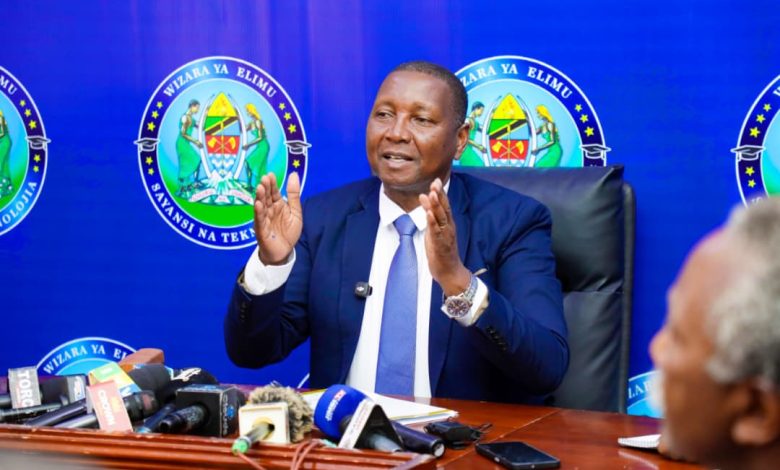
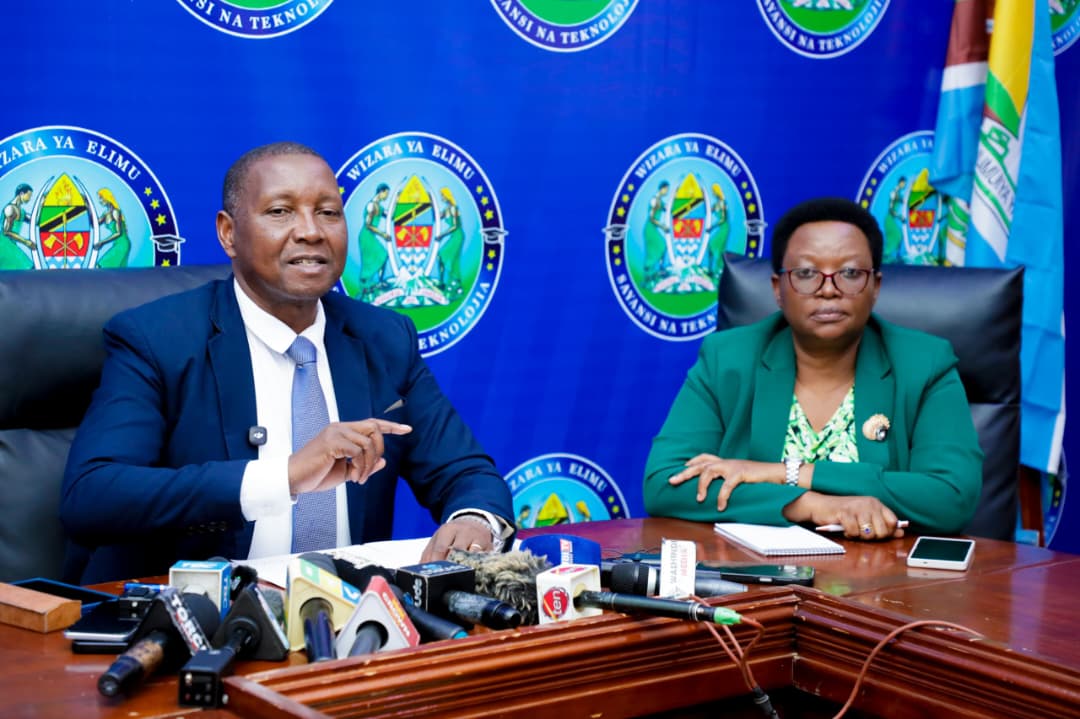
Speaking to journalists in Dodoma on Thursday, Minister for Education, Science and Technology, Prof Adolf Mkenda, said the 10 students would travel to Moscow for a special preparatory boot camp before beginning their undergraduate studies.
He said they were selected from students who performed exceptionally well in the PCM, PGM and PMC combinations, taking positions 51 to 60 after the first 50 students had been selected for overseas scholarships.
“In total, we will be sending 60 students abroad, and all of them will have studied PCM, PGM or PMC,” Prof Mkenda said.
The minister said eight of the additional students were from government schools and two from private schools, stressing that academic merit was the sole criterion used in the selection process.
He said the ministry undertook a detailed assessment of candidates’ results, including internal school marks, to determine the best-performing students, particularly where examination scores were closely matched.
“We do not play games with the Samia Scholarship. We allocate opportunities with the highest level of integrity,” he said.
ALSO READ: Public schools win 58pc of Samia scholarship
Prof Mkenda said the students would undergo about 10 months of preparatory training in Russia before starting their undergraduate studies.
During the preparatory programme, he said, the Russian government would cover 80 per cent of the costs, while the Samia Scholarship Extended programme would meet the remaining 20 per cent.
Once the students begin their undergraduate studies at Russian universities, the Russian government will cover 100 per cent of their education costs.
“It is therefore a hybrid scholarship. On one side, the Russian government contributes, while Samia Scholarship covers the costs of taking them to the boot camp in Moscow,” he said.
Prof Mkenda said the additional opportunities were a direct outcome of President Samia’s discussions during her Russia visit, describing the development as an important step in expanding Tanzania’s international education opportunities.
He said under the new arrangement, Tanzania was given the opportunity to identify and select its best-performing students, unlike the normal system in which the Russian government announces scholarship opportunities and conducts the selection.
“We thank our President because education was among the issues she raised during her visit to Russia, and I assure Tanzanians that this is only the beginning,” he said.
He said the government expected more opportunities to emerge as cooperation between Tanzania and Russia in education continued to expand, particularly in science, engineering and technology.
RUDN University, where the students will study, awarded President Samia an honorary doctorate during her visit to Russia.
Prof Mkenda said the scholarship programme was part of the government’s broader effort to expand access to quality education in priority fields while giving the country a growing pool of highly skilled professionals.
Recently, the ministry announced 1,050 full scholarships for top-performing Form Six students for the 2026/27 academic year.
Of these, 1,000 students will pursue priority science, technology, engineering and medical programmes at local higher learning institutions, while the initial 50 were selected for studies abroad.
Prof Mkenda said sending students abroad under the scholarship programme would also create additional opportunities for other Tanzanian students to access higher education loans because those studying overseas would not need to use local loan facilities.
The names of the 10 additional students have been published on the Ministry of Education, Science and Technology website.