China allows Tanzanian businesses trading with China to settle payments directly in yuan
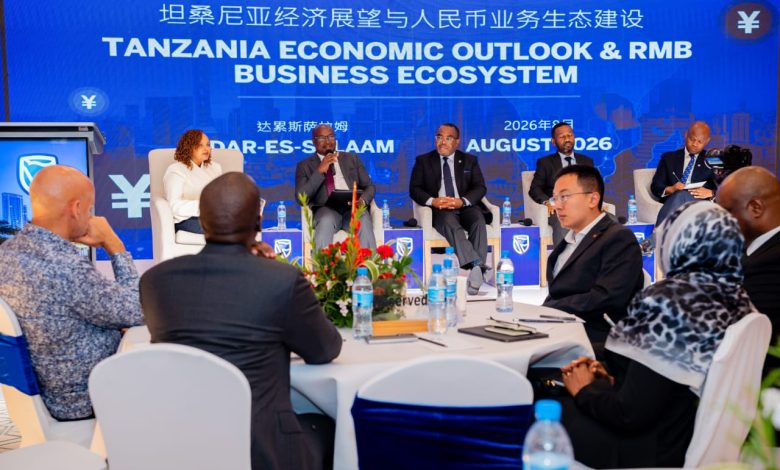
DAR ES SALAAM: TANZANIAN businesses trading with China can now make and receive payments directly in Renminbi (yuan), following the introduction of a direct yuan settlement facility, a move expected to reduce currency conversion costs and ease cross-border transactions.
The development comes as China maintains its position as Tanzania’s largest trading partner, with bilateral trade reaching nearly 9bn US dollars in the latest full year of available data.
The direct settlement mechanism removes the need for businesses to route transactions through the US dollar before completing payments with Chinese counterparts, potentially reducing transaction costs, currency exposure and delays.
Speaking at the launch, Bank of Tanzania (BoT) Deputy Governor Sauda Msemo said the facility was consistent with efforts to remove unnecessary barriers facing Tanzanian businesses accessing major international markets.
“Our focus is not on promoting any specific currency, but on ensuring that businesses have access to efficient, safe and reliable payment channels that support them wherever opportunities exist,” she said.
Additionally, she said the central bank would continue creating conditions for financial innovations while maintaining the stability, integrity and resilience of the country’s financial system.
Ms Msemo further called for the benefits of such financial services to extend to small and medium enterprises, which she described as an important part of the economy and increasingly active in international trade.
Deputy Minister for Industry and Trade Dennis Londo said direct yuan settlement would strengthen the link between finance and trade by reducing transaction barriers and enabling Tanzanian businesses to participate more effectively in international markets, particularly China.
“Markets without access to finance cannot realise their full potential, while finance without productive investment cannot deliver sustainable economic transformation,” Mr Londo said.
He said stronger links between finance, production and markets were necessary to support Tanzania’s Vision 2050, expand exports, create jobs and improve the competitiveness of local businesses.
Stanbic Bank Tanzania Chief Executive Officer, Manzi Rwegasira, said direct yuan settlement would provide Tanzanian businesses with a more direct channel for conducting trade with China.
“China is Tanzania’s largest trading partner, and it has held that position for a decade. Direct RMB Settlement gives Tanzanian businesses a simpler, more direct route to trade with China,” he said.
The facility is supported by Standard Bank Group, the parent company of Stanbic Bank Tanzania, which was authorised by the People’s Bank of China in 2026 to clear Renminbi transactions in Africa.
The new payment channel is expected to be particularly relevant to importers and exporters dealing in machinery, manufactured goods and agricultural products.
Tanzania’s exporters of products such as avocados, soybeans and sesame may also benefit from direct yuan settlement as the country seeks to expand its exports to the Chinese market.
Stanbic Bank Tanzania Head of Corporate and Investment Banking, Ester Manase, said the facility would also enable businesses to manage currency exposure through foreign exchange instruments, including spot transactions, forward contracts and options.
The bank’s Head of Business and Commercial Banking, Fredrick Max, said direct payments in yuan could reduce the number of currency conversions involved in transactions between Tanzanian businesses and Chinese suppliers or buyers.
The facility is available to corporate, commercial, small and medium enterprises and retail customers, in line with Bank of Tanzania regulatory requirements.