Greatest investment is building Tanzania’s human capital
DAR ES SALAAM: WHEN Tanzania unveiled Dira 2050, much of the public conversation centred on the country’s ambition to build a one-trillion-dollar economy, accelerate industrialisation and strengthen its position as one of Africa’s most competitive economies.
The vision speaks of modern infrastructure, a knowledge-based economy, digital transformation, regional trade integration and increased productivity.
It sets out an ambitious roadmap for transforming Tanzania into a prosperous, inclusive and self-reliant nation over the next quarter century.
Yet, behind every kilometre of road, every factory, every innovation hub and every investment project lies a more fundamental question: who will drive that transformation?
For the Ministry of Community Development, Gender, Women and Special Groups, the answer is straightforward.
Sustainable development begins with people. As Tanzania embarks on the implementation of Dira 2050 through the Fourth Five-Year Development Plan (2026/27– 2030/31), the ministry is working to ensure that human development remains at the centre of the country’s long-term aspirations.
Its programmes focus on strengthening communities, empowering women, supporting children, promoting economic inclusion and creating opportunities for citizens to participate actively in shaping their own future.
The approach reflects a growing recognition that economic transformation is not measured solely by growth rates, investment figures or physical infrastructure.
It is also measured by the quality of people’s lives, the strength of communities and the extent to which citizens are equipped to contribute to national progress.
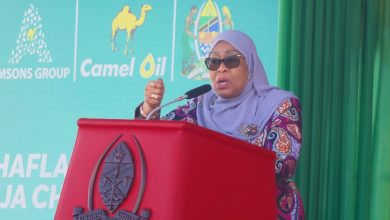
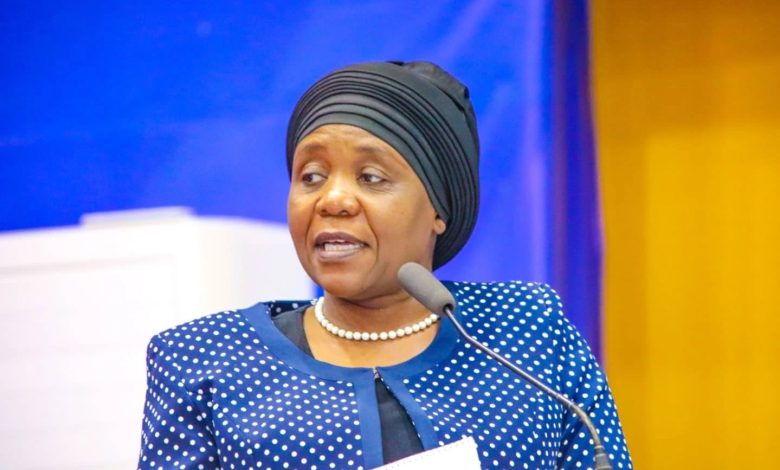
Presenting the ministry’s 2026/27 budget estimates in the National Assembly, Minister for Community Development, Gender, Women and Special Groups, Dr Dorothy Gwajima, emphasised that people must remain at the centre of Tanzania’s development journey.
Her message aligns closely with the broader philosophy of Dira 2050, which places human capabilities and social development alongside economic growth as essential pillars of national transformation.
Increasingly, policymakers around the world are recognising that countries achieve sustainable progress not simply through investment in infrastructure but through investment in people.
A skilled workforce, healthy communities, equal opportunities and strong social institutions have become critical ingredients for competitiveness in the modern economy.
For Tanzania, this means ensuring that economic growth translates into improved livelihoods, broader opportunities and greater social inclusion.
Investing in people
One of the strongest themes emerging from the ministry’s agenda is the importance of human capital development.
Dira 2050 recognises that Tanzania’s greatest asset is its people. The country’s youthful population presents enormous opportunities for growth, innovation and productivity, provided the right investments are made today.
This understanding underpins many of the ministry’s programmes. Gender equality, for example, is increasingly being viewed not simply as a social objective but as an economic strategy.
Across the world, evidence continues to show that economies perform better when women have equal access to education, employment, finance and leadership opportunities.
Greater participation by women expands the talent pool, boosts productivity and strengthens household incomes.
Dira 2050 reflects this reality by setting an ambitious target of reducing the gender gap by at least 85 per cent and positioning Tanzania among Africa’s leading countries in gender inclusion.
For the ministry, empowering women is therefore about more than social justice.
It is about unlocking economic potential. Women play a critical role across virtually every sector of the economy, from agriculture and trade to manufacturing and services.
Expanding their access to resources, finance, training and markets can have significant benefits for families, communities and the national economy.
At the same time, the ministry continues to prioritise child welfare and early childhood development. The logic is simple. A country that aims to become a knowledgebased and globally competitive economy by 2050 must invest in the next generation.
Children who receive proper nutrition, healthcare, protection and education are more likely to become productive citizens capable of contributing meaningfully to national development.
That is why the National Integrated Early Childhood Development Programme remains a key priority.
The programme seeks to ensure that children under the age of eight receive comprehensive developmental support during the most critical years of their lives.
Research consistently shows that investments made during early childhood often generate the highest long-term social and economic returns.
Better health outcomes, stronger educational performance and higher productivity later in life are all linked to positive early childhood experiences.
As Tanzania looks towards 2050, these investments are increasingly viewed as investments in the future workforce, future entrepreneurs and future leaders who will drive the country’s transformation.
The ministry also continues supporting older persons and vulnerable groups, recognising that inclusive development requires creating opportunities for all members of society.
Dira 2050 emphasises social protection, dignity and inclusion as essential components of sustainable development.
Ensuring that vulnerable populations are protected and empowered strengthens social cohesion and contributes to long-term stability.
Communities and economic inclusion
While national visions are often developed at the highest levels of government, their success ultimately depends on what happens at community level.
The ministry believes development becomes more effective and sustainable when citizens participate actively in identifying priorities, implementing projects and monitoring progress.
This philosophy underpins the Amsha Ari campaign, which seeks to promote self-reliance, accountability and active participation in development activities.
Rather than viewing communities as passive beneficiaries of government programmes, the campaign encourages citizens to become active partners in development. Between July 2025 and April 2026, the initiative expanded into four additional regions, bringing the total number of regions reached to 21.
More than 7,100 people participated in the programme, including youth groups, community leaders, religious leaders, traditional leaders and small-scale traders.
The campaign promotes a change in mindset by encouraging communities to take ownership of their development priorities and contribute to local solutions. Such efforts are particularly important as Tanzania implements Vision 2050.
No national development strategy can succeed without broad public participation and support. Development is ultimately most sustainable when communities see themselves as drivers of change rather than recipients of assistance.
The results are already becoming visible
The ministry reports that community participation has contributed to a substantial increase in development projects across the country. By April 2026, the number of community development projects had increased from 31,802 to 38,443.
The projects include classrooms, health facilities and other forms of social infrastructure designed to improve living standards and expand access to essential services.
The increase suggests that communities are becoming increasingly involved in shaping their own development priorities.
To strengthen engagement at grassroots level, the government continued recruiting community development officers.
A total of 830 officers were recruited during the year under review, bringing the national total to 4,806.
These officers play a crucial role in linking government programmes with local communities, facilitating participation and helping citizens access development opportunities.
Their work becomes increasingly important as the country pursues more ambitious development goals under Dira 2050. The ministry is also paying close attention to housing as an important component of human wellbeing.
Through the Piga Kazi, Boresha Makazi campaign, citizens are being encouraged to improve housing conditions and invest in decent accommodation.
During the review period, 944 new houses were constructed, bringing the total number built since the campaign’s launch in 2022 to 15,296.
For many families, improved housing translates into better health outcomes, enhanced dignity and improved quality of life. Economic inclusion forms another major pillar of the ministry’s work.
One of the most significant challenges facing many Tanzanians has been limited access to formal economic opportunities.
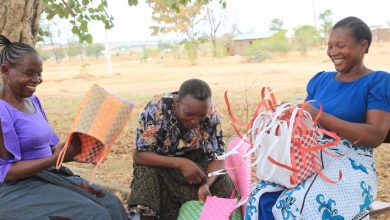
Millions of citizens operate small businesses in the informal sector, including street vendors, food vendors, motorcycle operators, tailors, hairdressers and other micro-entrepreneurs.
While these businesses contribute significantly to household incomes and local economies, many have historically struggled to access finance, training and formal support services.
To address this challenge, the government has continued implementing the Small Traders Registration System.
Between July 2025 and April 2026, more than 56,000 additional traders were registered, bringing the total number registered since March 2024 to over 143,000.
Women account for the majority of those registered
The initiative is helping connect traders to financial services, government programmes and broader economic opportunities.
Importantly, it is also helping bring more citizens into the formal economy. Access to finance remains a key component of economic empowerment.
During the review period, the ministry received 10.5bn/- for concessional lending programmes targeting small traders.
Since the programme began, 18.5bn/- has been disbursed through NMB Bank, benefiting more than 8,400 entrepreneurs.
Meanwhile, more than 60,000 traders accessed loans worth approximately 1.8tri/- through commercial banking institutions.
These figures underscore the growing importance of financial inclusion in Tanzania’s development strategy.
For Dira 2050 to succeed, economic opportunities must be accessible to a broad cross-section of society.
Building the workforce of 2050
As Tanzania looks ahead to the next 25 years, one reality is becoming increasingly clear: the future economy will require new skills, new knowledge and greater innovation.
The ministry views education and skills development as critical pillars of national transformation.
Community development colleges under the ministry continue expanding opportunities for young people to acquire practical skills and entrepreneurial capabilities.
During the 2025/26 academic year, eight community development colleges enrolled 5,152 students, the majority of whom were women.
The institutions are increasingly focusing on practical, market-oriented training designed to improve employability and support entrepreneurship.
Students participate in apprenticeship programmes, innovation projects and skills development initiatives aimed at preparing them for the changing demands of the labour market.
Several innovations developed through these institutions have already generated practical solutions in areas such as water harvesting, nutrition education, business management and small-scale mining support.
Such initiatives are helping cultivate a culture of innovation and problem-solving.
They also align closely with Dira 2050’s aspiration of building a skilled, productive and innovative workforce capable of driving economic transformation.
As global economies become increasingly knowledge-driven, countries that invest in skills and innovation are likely to enjoy significant competitive advantages.
Tanzania’s challenge is therefore not simply to educate more people, but to equip them with relevant skills capable of supporting a modern economy.
The ministry’s emphasis on entrepreneurship is particularly significant. Small businesses will continue to play an important role in job creation, income generation and economic diversification.
By helping citizens acquire entrepreneurial skills and access economic opportunities, the ministry is contributing directly to the broader goals of Dira 2050.
Looking ahead, the ministry plans to deepen many of the reforms already underway. Key priorities include strengthening community participation, expanding economic empower