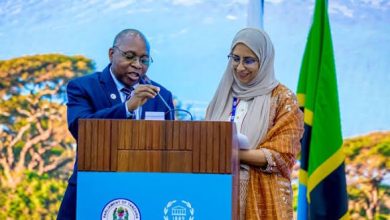
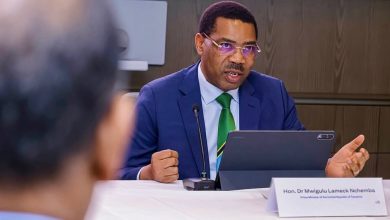
Tanzania, China bolster their cultural ties at Hongshan Conference
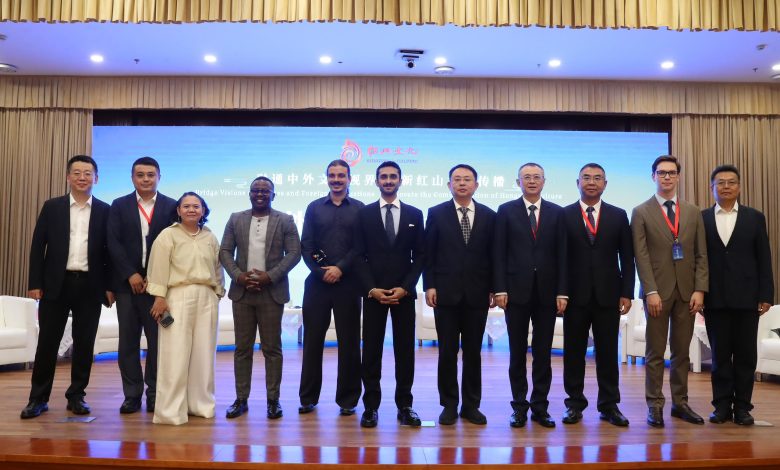
HONGSHAN, LIAONING: TANZANIA and China have reaffirmed their commitment to strengthening cultural cooperation and people-to-people diplomacy during the 2026 Hongshan Cultural Conference, with delegates highlighting the role of shared heritage in promoting mutual understanding and international collaboration.
Held from August 6 to 8 in Liaoning Province, the conference brought together scholars, media professionals, archaeologists and cultural experts from around the world to discuss the preservation of cultural heritage and its contribution to global development.
Among the speakers was Tanzanian university lecturer and international communication expert, Suleiman Risasi, who participated as a panellist during the China–Foreign Media Dialogue.
Addressing the forum, Mr Risasi said greater understanding of different civilizations could strengthen international cooperation and deepen mutual respect among nations.
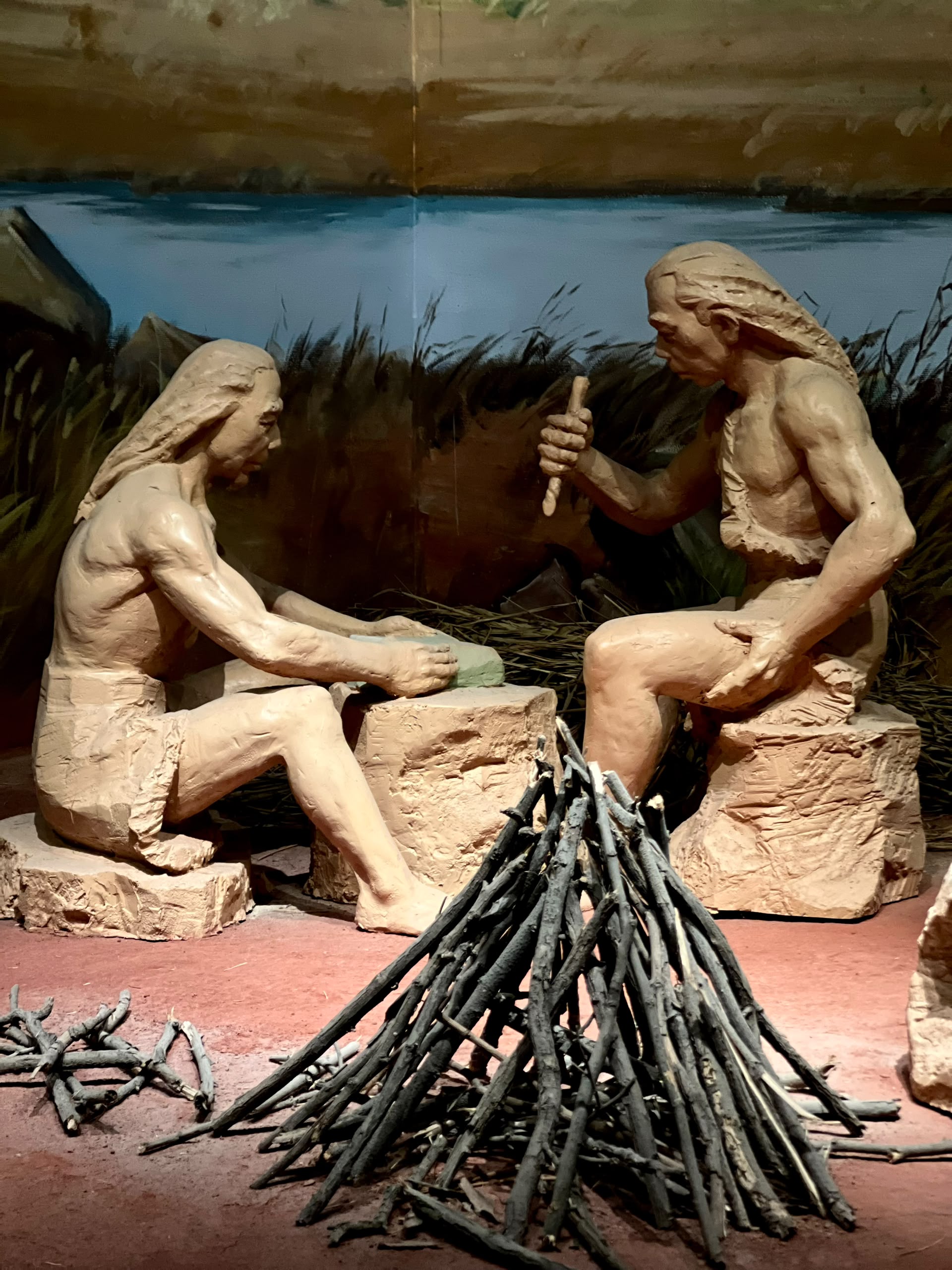
He noted that the ancient Hongshan Culture, which dates back more than 5,000 years, demonstrates the importance of unity, peaceful coexistence and cultural continuity, values that remain relevant in today’s interconnected world.
Mr Risasi also drew parallels between China’s Hongshan cultural heritage and Africa’s traditional philosophy of Ubuntu, saying both emphasise community, solidarity and shared humanity despite originating from different civilizations.
He said cultural exchanges provide an important platform for strengthening relations between Tanzania and China beyond economic and infrastructure cooperation.
Participants at the conference underscored the growing role of digital technology in preserving and promoting cultural heritage, calling for greater use of digital archives, immersive media and responsible artificial intelligence to make historical artefacts and archaeological discoveries more accessible to global audiences.
They observed that modern communication technologies can help younger generations better understand the cultural heritage of different societies while promoting intercultural dialogue.
The conference also highlighted China’s efforts to preserve and showcase the Hongshan archaeological heritage, including the renowned C-shaped Jade Dragon, regarded as one of the earliest cultural symbols associated with Chinese civilization.
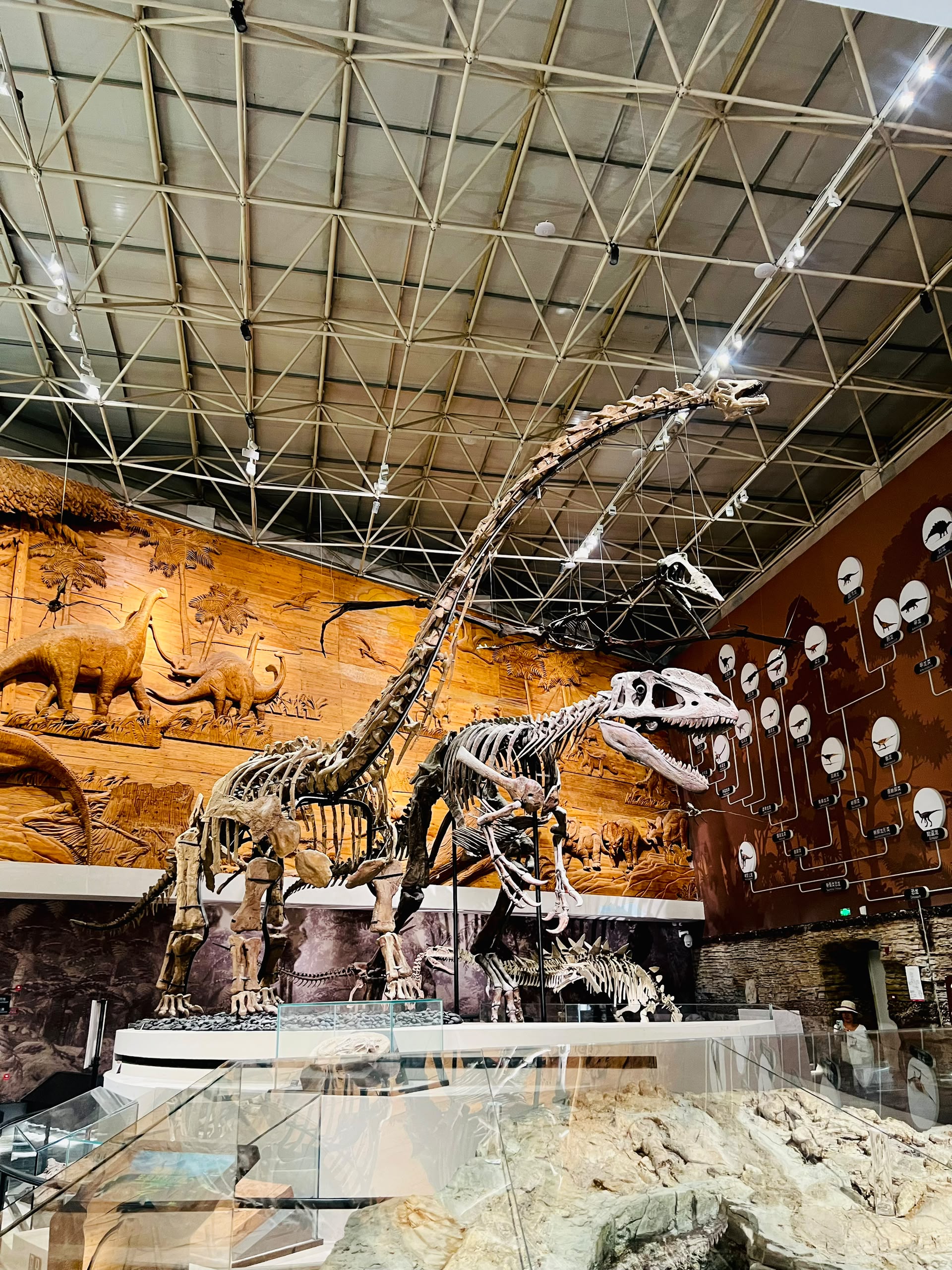
Delegates visited archaeological sites and cultural heritage centres in Liaoning Province, including the Chaoyang Bird Fossil National Geopark, where discussions focused on heritage conservation, scientific research and cultural tourism.
Mr Risasi urged journalists, filmmakers and media practitioners from Tanzania and China to utilise digital platforms to tell stories that promote understanding, cultural appreciation and cooperation between nations.
He said stronger cultural exchanges would complement the expanding economic partnership between the two countries while contributing to broader people-to-people relations.
The conference concluded with participants reaffirming the importance of cultural diplomacy in strengthening international cooperation and promoting dialogue among civilizations, describing cultural heritage as a shared resource capable of fostering mutual respect and sustainable global partnerships.