WMA urges consumers to verify gas weight
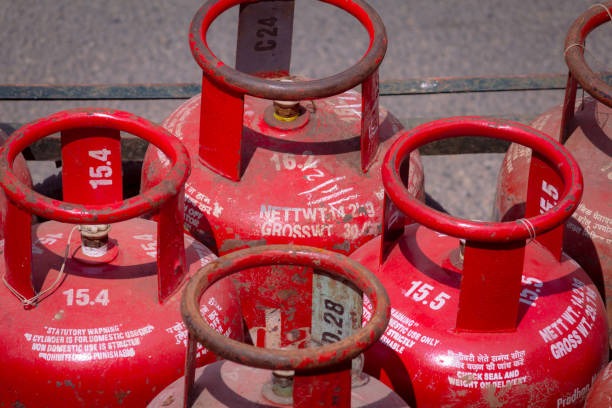
DODOMA: THE Weights and Measures Agency (WMA) has urged consumers to ensure that cooking gas cylinders they purchase from retailers are weighed to confirm that the quantity corresponds to the amount they have paid.
The agency’s Dodoma Regional Manager, Willy Amos, issued the advice in the capital on Tuesday while speaking to journalists at the ongoing Nane Nane International Agricultural Exhibition at the John Samuel Malecela Grounds in Nzuguni.
With the growing use of clean energy in the country, the agency has intensified public education on the importance of accurate measurements of cooking gas and fuel to protect consumer rights, he said.
“Consumers should ensure that the gas they purchase is weighed. By law, every gas seller is required to have a scale verified by the Weights and Measures Agency so that buyers can confirm that the amount of gas indicated on the cylinder is the amount they have received,” he said.
Mr Amos explained that the information marked on gas cylinders indicates both the weight of the gas and that of the cylinder itself.
He therefore urged consumers to insist on having the cylinders weighed and report any discrepancies to the agency.
He said complaints about shortages of gas in cylinders have declined significantly due to the agency’s supervision and legal requirements that direct gas packers to indicate the actual amount of gas contained in each cylinder.
According to Amos, most complaints previously involved large 38-kilogramme cylinders used by institutions and schools, while complaints concerning six and 15-kilogramme cylinders commonly used in households have now become less frequent.
He also reminded gas retailers who do not have weighing scales to acquire and install verified scales at their business premises, saying it is a legal requirement.
“If it is established that a seller is selling gas without having a verified scale, legal action will be taken against them,” he said.
He said the agency also monitors the accuracy of measuring equipment used at fuel stations to ensure that farmers, livestock keepers and other consumers receive fuel equivalent to the amount they pay for.
He urged motorists and other fuel consumers to actively participate in the purchasing process instead of leaving every step to fuel attendants.
“It is important for customers to ensure that the pump reading starts at zero before fuel is dispensed. This is the way to confirm that the amount of fuel they receive corresponds to the money they have paid,” he said.
He added that consumers should also check whether the equipment being used bears a WMA sticker indicating that it has been inspected and verified before purchasing fuel.
Amos warned that attendants may sometimes continue dispensing fuel from a previous transaction without resetting the pump to zero. He said this could result in consumers receiving less fuel than they have paid for if they fail to monitor the transaction.