TARI urges soil restoration measures to improve productivity
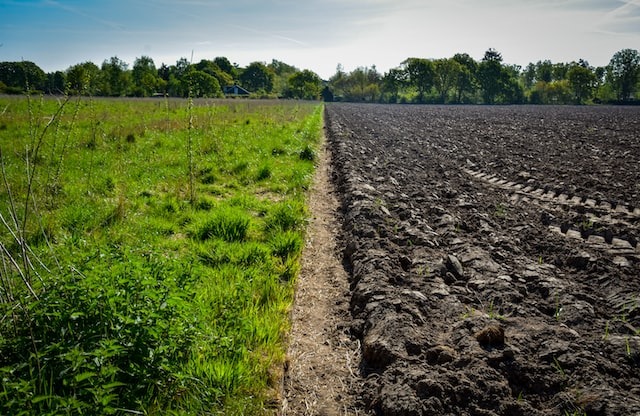
THE Tanzania Agricultural Research Institute (TARI) has called on farmers to adopt soil restoration measures to reverse declining soil fertility, warning that deteriorating soil health is undermining agricultural productivity and threatening food security.
Speaking to journalists during the Nane Nane Agricultural Exhibition for the Eastern Lake Zone in Simiyu Region, TARI Ukiriguru soil researcher Dr Frank Mabagala said soil nutrient levels have declined by between 40 and 60 per cent in many parts of the country, particularly in the Lake Zone.
“Soil health has declined by between 40 and 60 per cent in many areas, especially in the Lake Zone. This is significantly reducing crop production,” he said.
Dr Mabagala attributed the decline to continuous cultivation without replenishing depleted nutrients, noting that many farmers have worked the same land for decades without applying fertilisers or adopting other soil management practices.
According to him, exhausted soils are no longer capable of sustaining high crop yields, making soil restoration an urgent priority for improving agricultural output.
“You may find a farmer cultivating the same land for more than 60 years without applying fertiliser. Such soils become depleted and can no longer produce satisfactory harvests,” he said.
He urged farmers to restore soil fertility through appropriate fertiliser application, integrated soil management practices and regular consultation with agricultural extension officers and soil experts.
The researcher also advised farmers to stop burning crop residues after harvest, saying studies conducted by TARI Ukiriguru show that chopping and incorporating residues into the soil increases organic matter, improves soil structure and restores fertility.
“Returning crop residues to the soil instead of burning them helps improve soil health and supports sustainable agricultural production,” he explained.
ALSO READ: TARI strengthens cassava research partnership
In addition, Dr Mabagala said TARI is conducting research on biochar technology enriched with rabbit and human urine, which has demonstrated promising results in improving soil fertility and moisture retention.
He said the technology will be introduced to farmers after completion of ongoing research, providing another sustainable option for restoring degraded soils and increasing farm productivity.