Africa urged to harness gas for industrial growth
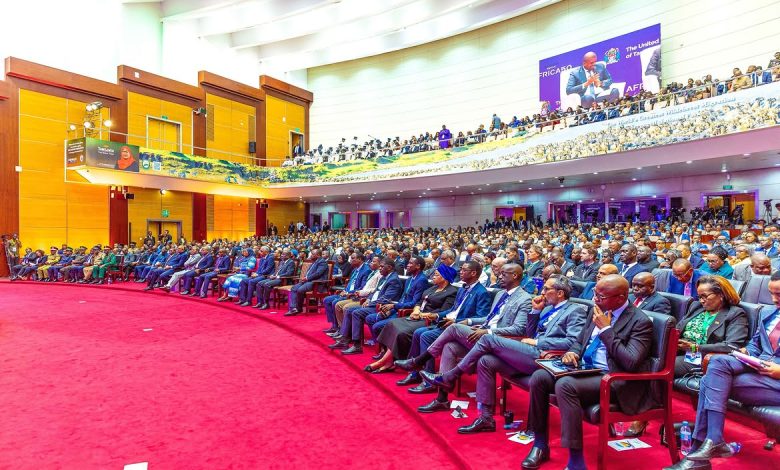
DAR ES SALAAM: AFRICAN countries have been urged to transform their approach to natural gas by using the resource to power industries, create jobs and drive economic growth instead of exporting it in raw form.
Ministers from Mozambique, Nigeria and Senegal made the call yesterday during the opening of the two-day Africa50 General Shareholders’ Meeting and Infra for Africa Forum in Dar es Salaam, where leaders discussed ways of using Africa’s natural resources to support sustainable development.
The ministers said exporting raw natural gas has limited Africa’s industrial growth, leaving the continent dependent on imported finished products while losing opportunities for job creation, skills development and technology transfer.
The discussions are particularly important for Tanzania, which is seeking to use its natural gas reserves to support industrialisation through value addition, electricity generation and manufacturing.
Opening the forum, Mozambique’s Minister for Finance, Ms Carla Loveira, said Africa must move away from a model where its natural wealth is extracted and exported without processing.
She said despite having abundant natural gas, Africa remains a small player in global industrial trade because much of its raw materials are processed outside the continent.
“Africa accounts for only 1.6 per cent of industrial goods traded in global markets and this pattern must change,” Ms Loveira said.
She said the value of Africa’s natural gas should not only be measured through extraction but also through the ability to create jobs, build skills, promote innovation and transform economies.
Ms Loveira said Mozambique has introduced measures to ensure revenues from its growing Liquefied Natural Gas (LNG) sector contribute directly to national development.
ALSO READ: Tanzania moves to proper handling of plastic waste in a bid to safeguard industrial growth
Under the country’s Sovereign Wealth Fund framework, she said, 40 per cent of LNG revenues will be saved for future economic stability, while 60 per cent will be invested in industrialisation projects, including power infrastructure, industrial parks and transport networks.
She said Mozambique expects LNG production capacity to increase from 3.4 million tonnes annually to 38 million tonnes by 2028, making proper management of resource revenues critical for long-term growth.
Nigeria also said it is changing its energy strategy by prioritising domestic use of natural gas to support industries and improve access to electricity.
Nigeria’s Minister of State for Petroleum Resources (Gas), Mr Ekperikpe Ekpo said despite having Africa’s largest natural gas reserves, the country had for many years focused on exporting the resource while many industries struggled with energy shortages.
“Today, under President Bola Ahmed Tinubu, we have taken the position that we must develop gas utilisation within the country. We are talking about ‘From Gas to Prosperity’,” Mr Ekpo said.