Young scientists seek answers to Dar es Salaam’s flooding crisis
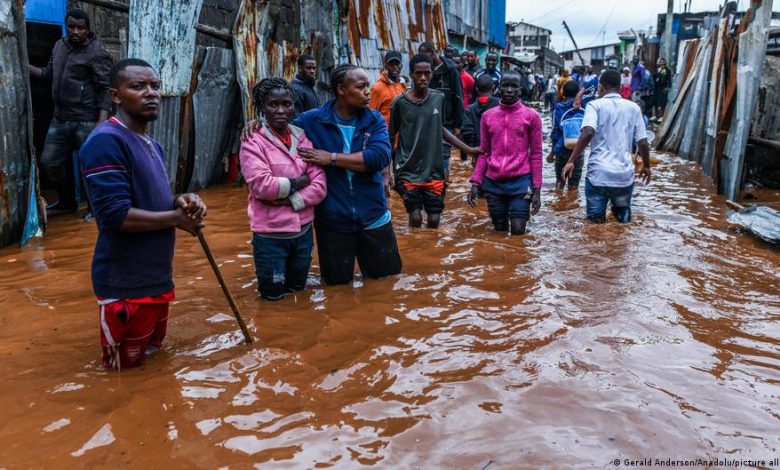
DAR ES SALAAM: AS Dar es Salaam continues to experience rapid urban growth and recurring floods, two young researchers from Shaaban Robert Secondary School are using science to investigate how poor drainage systems and waste disposal practices contribute to the city’s flooding challenges.
Students Aisha Nabil Karatela and Muhammadadil Nabil Karatela have developed a research project titled “Toward Sustainable Urban Drainage: A Case Study of Dar es Salaam,” which examines the relationship between urban expansion, blocked drainage systems and household waste management.
The study was presented during the Young Scientist Tanzania (YST) 2026 Science Outreach Programme, an initiative aimed at nurturing scientific innovation among secondary school students ahead of the National Young Scientists Exhibition.
Through surveys, field observations and interviews with residents across Dar es Salaam, the students sought to understand why flooding continues to affect many communities and explore sustainable solutions that can improve urban drainage management.
The researchers conducted a 38-question survey involving 45 residents from Ilala, Temeke, Kinondoni, Kigamboni and Ubungo districts. Their findings show that flooding has become a recurring challenge for many residents, with 46.7 per cent of respondents reporting that their areas experience flooding during the rainy season.
Although 62.2 per cent of respondents said drainage channels exist near their homes, more than half (53.3 per cent) rated the condition of those drains as poor or very poor.
During field observations, the students found that 65 per cent of local drainage channels were completely blocked by waste, sand and mud, preventing rainwater from flowing effectively.
The research also found that rapid urban expansion has placed additional pressure on existing infrastructure, with 36.4 per cent of the drainage network considered too small to accommodate the city’s growing needs.
ALSO READ: Dar reviews flood disaster plans in five high-risk wards
The study highlights poor waste disposal as one of the major contributors to flooding. According to the researchers, 65.9 per cent of respondents said their drainage systems are often or always blocked by waste.
They found that some residents dispose of waste in drains due to limited waste collection services, lack of public bins and irregular garbage collection.
About 42 per cent of participants reported seeing people throwing waste into drainage channels, while 33.3 per cent said the absence of public waste bins contributed to the practice.
The study also found that delayed garbage collection remains a challenge, with half of respondents saying waste collection services do not arrive on time.
The researchers noted that the problem is not only linked to public awareness, but also to the availability and reliability of waste management services.
Their findings showed that people with different education levels displayed similar waste disposal behaviours, suggesting that improving infrastructure and services is as important as promoting environmental awareness.
The students propose the adoption of Sustainable Urban Drainage Systems (SUDS) as part of long-term solutions to flooding.
Unlike conventional drainage systems that mainly rely on concrete channels, SUDS uses natural features such as vegetation, soil and green spaces to absorb and manage rainwater.
They believe introducing green infrastructure, improving waste collection, expanding drainage networks and strengthening environmental regulations can help reduce flooding risks.
The researchers also emphasised the importance of community involvement, noting that 56.8 per cent of respondents expressed willingness to participate in neighbourhood clean-up activities.
While commending the students for selecting a relevant environmental challenge and presenting a strong research foundation, Exim Bank Tanzania Senior Manager for Marketing and Communications Kauthar D’Souza, the project mentor, encouraged them to further refine their study.
She advised the students to narrow their geographical focus to a specific area to make their findings more accurate and representative.
“The research is very interesting, but because it is qualitative research, you need a strong sample size. Narrowing your focus to a specific location will help you capture more reliable findings,” she advised.
D’Souza also encouraged the students to review existing research conducted by other scholars to strengthen their analysis and understand how similar challenges have been addressed globally.
She said the students should also ensure their recommendations clearly target different stakeholders, including government authorities, non-governmental organisations and communities.
“Your conclusions should speak to different groups, what the government can do, what policymakers can do, what organisations can support and what citizens can do because everyone has a role in addressing environmental challenges,” she said.
D’Souza further challenged the students to examine specific types of waste contributing to drainage blockage, particularly plastic materials, and consider how policies on waste management can support sustainable solutions.
The project demonstrates the growing role of young scientists in identifying and responding to challenges affecting their communities.
Through YST, students are encouraged not only to develop scientific ideas but also to apply research to real-life problems facing society.
As Dar es Salaam continues to expand, the work by Aisha and Muhammadadil highlights how young innovators can contribute to discussions on climate resilience, urban planning and environmental sustainability.
Their research serves as a reminder that solutions to some of the city’s biggest challenges may begin with curiosity, observation and scientific thinking inside a secondary school classroom.