Foundation partnership gives thirty children new hope through specialized treatment at MOI
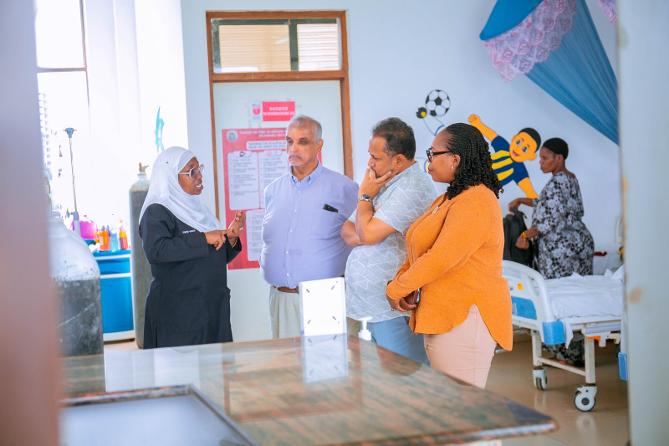
DAR ES SALAAM: A partnership between the LALJI FOUNDATION and Canada’s BARAKA FOUNDATION has transformed the lives of 30 Tanzanian children by funding specialized surgeries and medical treatment for patients living with spina bifida and hydrocephalus at the Muhimbili Orthopaedic Institute (MOI).
The initiative reflects the two foundations’ shared commitment to improving access to quality healthcare for vulnerable families and easing the financial burden associated with treating complex congenital conditions. For many parents, the support has meant the difference between watching their children struggle without treatment and receiving life-changing medical care that would otherwise have been beyond their financial reach.
The children underwent specialized medical treatment and surgical procedures at MOI, one of Tanzania’s leading referral institutions for orthopaedic, neurosurgical and neurological care. The intervention was specifically designed to ensure that children diagnosed with spina bifida and hydrocephalus receive timely medical attention, reducing the risk of complications while improving their quality of life.
Healthcare professionals note that both conditions often require early diagnosis, specialized surgery and long-term follow-up care. Such treatment can be costly, placing enormous financial pressure on families, particularly those with limited incomes. By covering the cost of treatment, the two foundations have enabled affected children to access essential healthcare services that many families would otherwise have struggled to afford.
Speaking about the initiative, Muhamad Damji, Vice Chairman of the LALJI FOUNDATION, said the organization remains committed to implementing sustainable programmes that improve the wellbeing of communities across Tanzania.
He explained that the foundation’s work extends beyond healthcare to include education and community welfare, reflecting a broader mission of supporting social development through strategic partnerships. According to Damji, collaboration with local and international stakeholders remains central to the foundation’s efforts to deliver meaningful and lasting impact.
“Our commitment is to continue working with partners who share our vision of improving lives,” he said, noting that healthcare remains one of the sectors where charitable interventions can have an immediate and lasting impact on families.
Beyond financing treatment, Damji emphasized the importance of public awareness and preventive healthcare, particularly regarding maternal and child health. He underscored the need for communities to receive accurate health information from qualified healthcare professionals, especially during pregnancy.
He said educating expectant mothers about recommended nutritional supplements and antenatal care can significantly improve public understanding of measures that help reduce the likelihood of babies being born with certain preventable health conditions. Better awareness, he added, empowers families to make informed decisions during pregnancy and encourages early engagement with healthcare services.
Medical experts agree that prevention and early intervention are essential components of maternal and child healthcare. Regular antenatal clinic attendance enables healthcare providers to monitor pregnancies, offer nutritional guidance and recommend appropriate supplements that support healthy fetal development.
Providing further medical insight, Dr. Irene Mtaguzina, a specialist caring for children with hydrocephalus and spina bifida at the Muhimbili Orthopaedic Institute (MOI), explained that spina bifida is largely associated with a deficiency of folic acid, an essential B vitamin required for normal development of the baby’s neural tube during early pregnancy.
She said the proper use of folic acid by women, particularly during the period recommended by healthcare professionals, is among the key preventive measures that can reduce the risk of neural tube defects during the earliest stages of fetal development.
Health authorities worldwide recommend that women planning to conceive and those in early pregnancy follow professional medical advice regarding folic acid supplementation because the neural tube develops very early in pregnancy, often before many women realize they are expecting. Dr. Mtaguzina stressed that following healthcare guidance on nutrition and supplementation remains an important public health message.
She expressed gratitude to the LALJI FOUNDATION and the BARAKA FOUNDATION for supporting treatment for the affected children, saying the initiative has restored hope to many families who had been overwhelmed by the challenges of caring for children with complex neurological conditions.
According to Dr. Mtaguzina, children born with spina bifida and hydrocephalus frequently require specialized medical attention extending well beyond the initial surgery. Many need regular clinical reviews, rehabilitation services and continuous monitoring to support their long-term health and development.
These ongoing medical needs often translate into considerable financial commitments for families. Hospital visits, medication, rehabilitation and follow-up care can create a heavy economic burden, especially for households with limited financial resources. Assistance from charitable organizations therefore plays a significant role in ensuring that children continue receiving appropriate treatment without interruption.
She also called upon the public to continue seeking professional medical advice on maternal nutrition, recommended supplements and routine maternal and child healthcare services. Such guidance, she said, contributes to improving the chances of children being born healthy and achieving optimal growth and development.
The initiative also demonstrates the growing importance of partnerships between healthcare institutions and philanthropic organizations in strengthening access to specialized medical services. While hospitals provide the expertise and infrastructure required for advanced treatment, charitable organizations help bridge financial gaps that prevent many vulnerable patients from accessing quality healthcare.
Such collaborations complement national efforts to improve health outcomes by ensuring that lifesaving services reach children who need them most. They also highlight the role that corporate philanthropy and charitable foundations can play in supporting public health priorities and promoting equitable access to medical care.
For families whose children have undergone surgery, the programme represents more than financial assistance. It offers renewed optimism, improved health prospects and the opportunity for children to lead healthier and more fulfilling lives through timely medical intervention and continued clinical care.
The LALJI FOUNDATION reaffirmed that it will continue partnering with organizations both within Tanzania and internationally to implement programmes that create lasting social impact. The foundation said healthcare, education and community welfare will remain key areas of investment as it continues pursuing its mission of giving back to society through initiatives that directly improve people’s lives.
The partnership with the BARAKA FOUNDATION stands as another example of how collaborative philanthropy can strengthen healthcare delivery while offering practical support to vulnerable families.
By funding specialized surgeries, promoting public awareness on maternal and child health and encouraging preventive healthcare practices, the initiative is helping improve health outcomes for children while reinforcing the importance of accessible, affordable and compassionate medical care for all.