Kagera scales up goat plague vaccinations
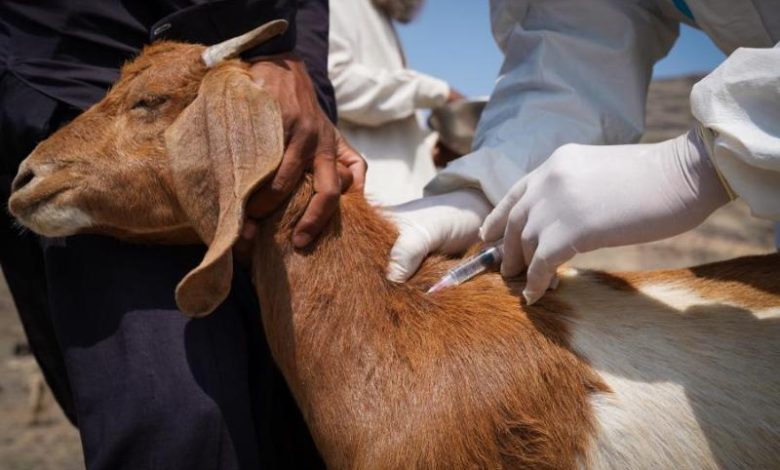
KAGERA: LIVESTOCK authorities in Kagera Region have intensified vaccination against Peste des Petits Ruminants (PPR), a highly contagious viral disease affecting goats and sheep, following an outbreak in Muleba District that killed 562 animals.
Muleba District Livestock Development Officer (DLDO), Dr Emmanuel Kaijage, said the disease, commonly known as goat plague, claimed the lives of 549 goats and 13 sheep in Nyakabanga, Kimwani, Kyebitembe, Karambi, Kasharunga, Mubunda, Bisheke and Rutoro wards, which had already been placed under quarantine.
He said authorities have adequate vaccine stocks and the disease is now under control, with vaccination continuing to prevent further spread.
“The country’s strong investments and political will have made Tanzania a model for Africa’s PPR eradication campaign,” Dr Kaijage said.
He noted that the livestock sector remains a cornerstone of Tanzania’s economy, contributing about 6.2 per cent to the national GDP and supporting more than five million households.
Dr Kaijage said sheep and goats are valuable assets, particularly for smallholder farmers and young people, but their full potential continues to be undermined by PPR, which causes high mortality, economic losses and limits access to regional and international markets.
ALSO READ: Health Ministry urged councils to strengthen vaccination services
He said Tanzania is committed to eradicating PPR by 2030, with the government allocating about 200m/- over the next five years to strengthen vaccination, animal identification and traceability systems. Of that amount, about 69.2m/- has already been disbursed for 2025.
“This milestone demonstrates the government’s resolve to eradicate PPR by 2030 and improve the health of our small ruminants,” he said.
Dr Kaijage commended President Dr Samia Suluhu Hassan for championing livestock health and ensuring veterinary services receive the technical, political and financial support needed to protect the sector.
“The government has invested heavily, politically, financially and morally, to empower veterinarians and other professionals to eradicate PPR by 2030,” he said.
He also thanked the government for integrating both economic and zoonotic diseases into national livestock programmes covering the 2024–2029 period.