

Bagamoyo earmarks 800m/- for inclusive education
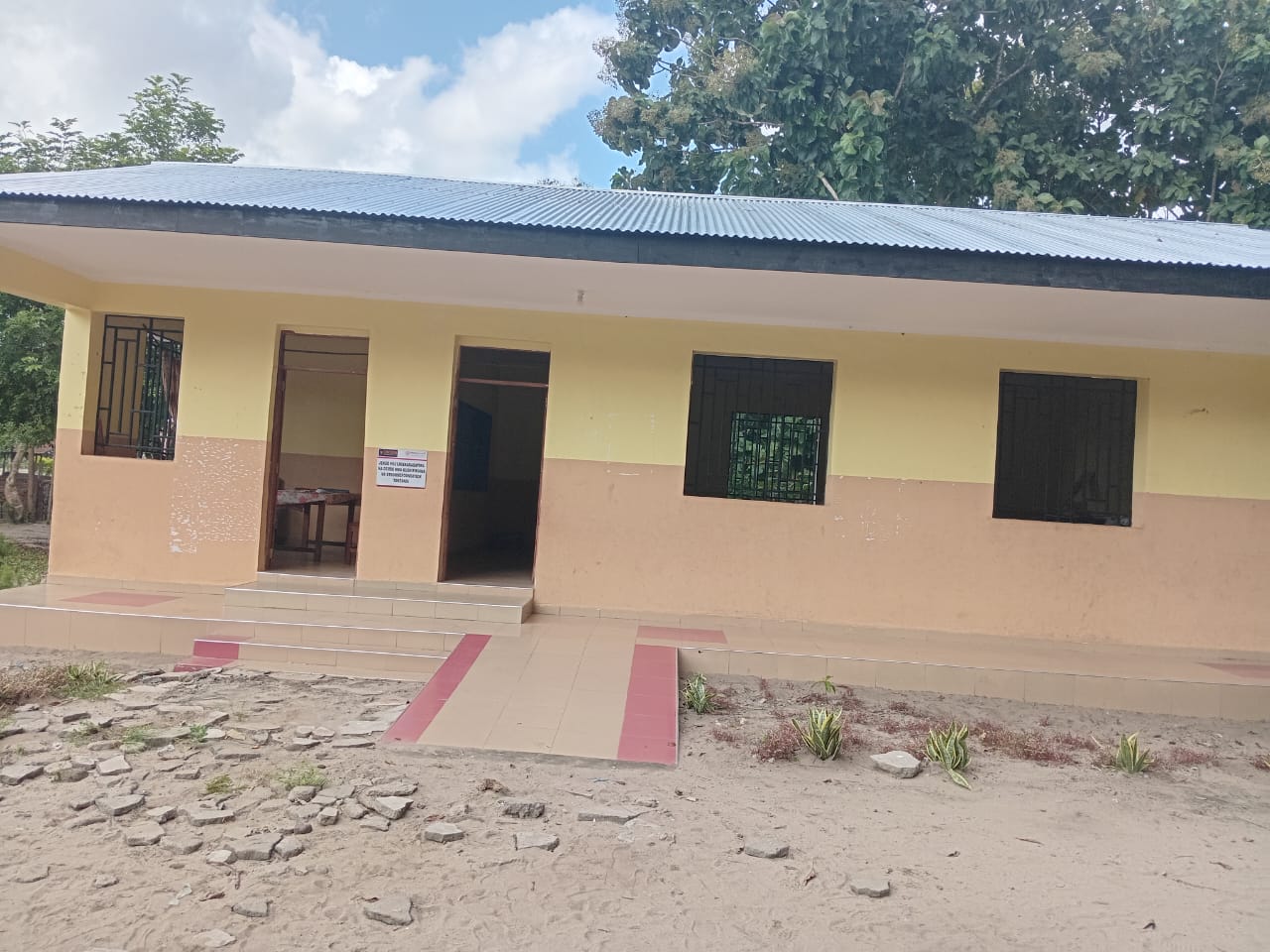
BAGAMOYO: BAGAMOYO District Council has allocated 800m/- to construct an Educational Support, Resource and Assessment Centre (ESRAC), a teachers’ house and a dining hall at Nianjema Primary School as part of efforts to strengthen inclusive education and improve learning conditions for children with disabilities. Construction of the facilities is expected to begin in August this year.
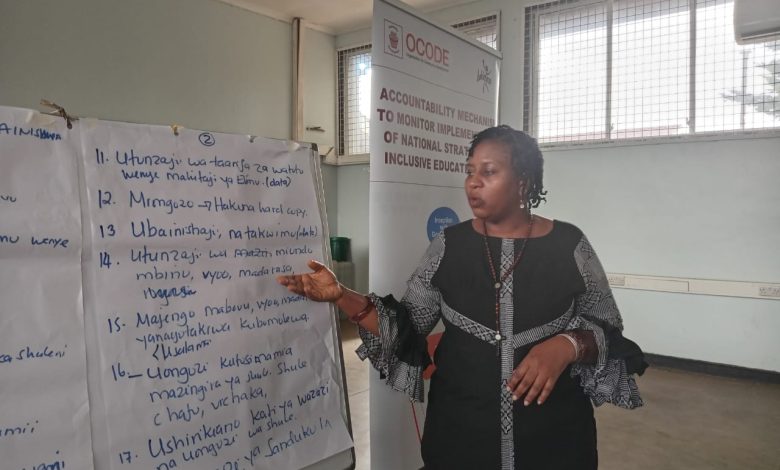
The council’s Pre-Primary and Primary Education Officer, Ms Wema Kajigili, announced the project on Tuesday during a meeting to assess accountability in implementing the National Strategy for Inclusive Education (NSIE) 2021/22–2026.
The meeting, organised by the Organisation for Community Development (OCODE), was held at Bagamoyo Secondary School. She said the council has made notable progress in implementing the strategy by prioritising learners with disabilities and those facing learning challenges.
“Our council now places greater emphasis on addressing the needs of children with disabilities and learning difficulties. This progress has been made possible through collaboration with partners such as OCODE and other stakeholders,” she said.
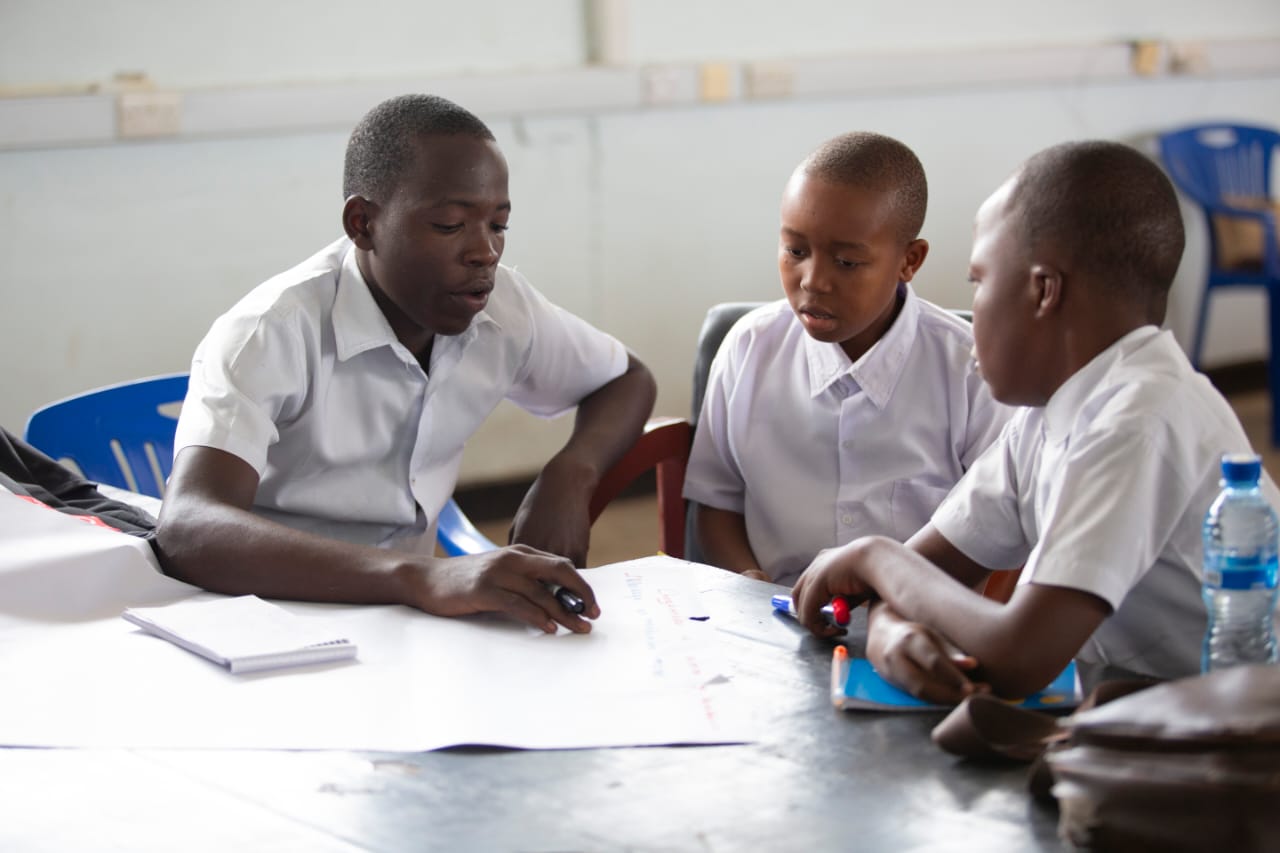
According to Ms Kajigili, the ESRAC will strengthen early identification, assessment, monitoring and support services for learners with different disabilities. She said the council currently has 369 children with disabilities enrolled in pre-primary and primary schools.
ALSO READ: Dachi has a historic opportunity to reshape TBC in a competitive, innovative way
OCODE Head of Programmes, Ms Digna Mushi, said the organisation has been working with the government since 2024 through the Sauti Zetu Project, supported by HakiElimu, to promote inclusive education.
She said the project has helped raise community awareness on the importance of ensuring children with disabilities, intellectual impairments, chronic illnesses, those from pastoralist communities, orphans and pupils living far from schools have equal access to education.
Ms Mushi added that teachers have been trained to use the NSIE guidelines, enabling them to identify learners with disabilities and refer those requiring specialised medical services.
“Although some challenges remain, we are optimistic that, with continued government support, we will extend these interventions to all schools in the council,” she said.


