Mwanza to put Africa’s freshwater crisis on global stage
MWANZA: TANZANIA is preparing to bring the world’s leading lake experts to Mwanza as Africa’s freshwater challenges take centre stage during the 21st World Lake Conference next month.
According to the Ministry of Water, the conference will bring together scientists, policymakers, water managers and development partners from across the globe to discuss ways of protecting lakes at a time when climate change, pollution and growing human pressure threaten freshwater ecosystems.
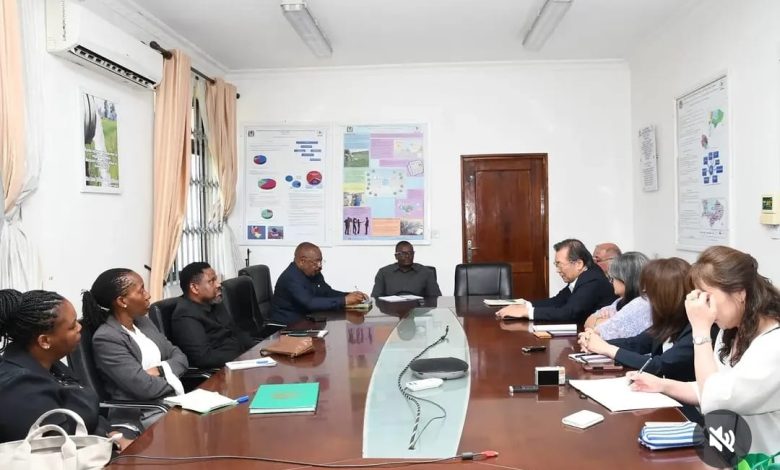
Preparations gained momentum this week after Tanzanian water experts and their Japanese counterparts met in Mwanza to coordinate plans for the international event.
A Tanzania delegation from the Water Institute (WI), led by Prof Adam Karia, held talks with officials from the International Lake Environment Committee (ILEC) Foundation, led by its President Professor Kazuhiko Takemoto, as well as officials from the Lake Victoria Basin Water Board (LVBWB).
According to the ministry, the two day conference will be held under the theme; “Our Lakes, Our Future: Uniting Science, Policy, Management Action, and People for a Water Secure World.”
LVBWB Director Dr Renatus Shinhu said his institution would continue working with key partners to ensure Tanzania benefits from the scientific, economic, and environmental opportunities created by the event.
“We will continue collaborating closely to ensure Tanzania fully benefits from the professional, economic, and environmental opportunities that the conference will bring,” he observed.
Prof Karia thanked the board for supporting preparations, while Prof Takemoto emphasised the need for stronger global cooperation to safeguard freshwater resources for present and future generations.
Tanzania’s hosting of the conference comes at a time when its major lakes face increasing pressure from pollution, climate change, and rising demand for water resources.
Lake Victoria, Africa’s largest lake, supports millions of people through fishing, transport, trade, and tourism. However, the lake faces challenges, including declining fish stocks, invasive species, pollution, and pressure from expanding settlements around its basin.
On the other hand, Lake Tanganyika, one of the world’s deepest and oldest lakes, contains unique biodiversity but is increasingly vulnerable to climate change and human activities.
The World Lake Conference was established nearly four decades ago following growing global concerns over the deterioration of freshwater ecosystems.
The first conference was held in 1984 at Lake Biwa in Japan after the lake experienced severe pollution linked to rapid industrialisation and urban growth.
Lake Biwa became a symbol of the environmental challenges facing lakes worldwide after industrial waste, untreated wastewater and agricultural pollution affected water quality and aquatic life.
The experience demonstrated that protecting lakes requires more than cleaning polluted water. It requires cooperation between governments, scientists, and communities to manage entire lake basins, including rivers, forests, farms, and urban areas.
The meeting later led to the establishment of the International Lake Environment Committee, which became a global platform for promoting research, cooperation, and sustainable lake management.
The 20th World Lake Conference, held in Brisbane, Australia, in 2025, focused on the role of lakes as indicators of wider environmental changes.
Under the theme “Lakes as Sentinels for Integrated River Basin Management,” experts highlighted how changes in lakes can provide early warnings of environmental problems affecting entire water systems.
The conference produced the Meanjin Brisbane Declaration, calling for stronger action, cooperation, and investment in sustainable lake management.
Experts say Tanzania’s hosting of the next edition will place Africa’s freshwater challenges under the global spotlight while highlighting the importance of protecting lakes as ecosystems that sustain economies, communities and biodiversi