

BoT raises key rate as Middle East conflict fuels inflation
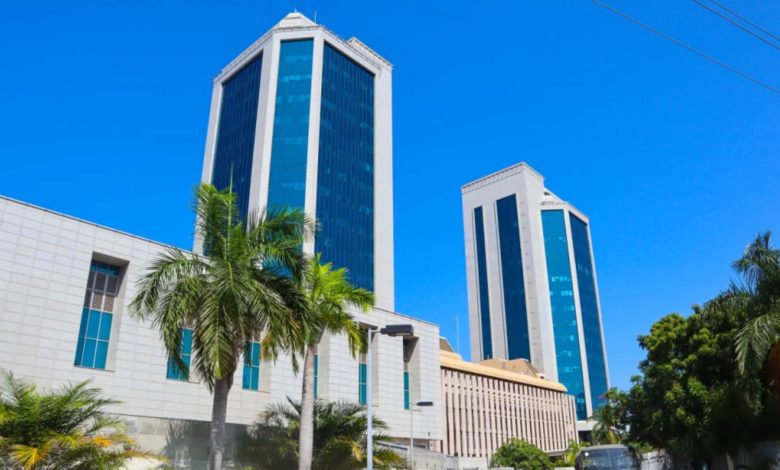
DAR ES SALAAM: THE Bank of Tanzania (BoT) has raised its Central Bank Rate (CBR) to 6.25 per cent from 5.75 per cent for the third quarter ending September, citing rising inflationary pressures driven by higher global energy, fertiliser and transport costs linked to the ongoing Middle East conflict.
The decision, reached during Wednesday’s Monetary Policy Committee (MPC) meeting, marks the second consecutive quarterly increase as the central bank seeks to keep inflation within its medium-term target of 3 to 5 per cent while supporting economic growth.
BoT Governor Emmanuel Tutuba said the rate adjustment is appropriate to contain inflation without undermining economic activity.
“The adjustment in the policy rate will be supported by moderate food inflation due to adequate food supplies from the 2025/26 harvests. In addition, the passthrough effect of exchange rate movements to inflation is expected to remain minimal because of strong export earnings from gold, tourism and agricultural commodities,” Mr Tutuba said.
The committee noted that global economic growth weakened during the quarter ending June as the Middle East conflict disrupted energy supplies and major trade routes, pushing up international oil and fertiliser prices, freight charges and insurance costs.
Despite the external challenges, Tanzania’s economy remained resilient. Mainland Tanzania is estimated to have grown by about 6 per cent in the first half of the year, supported by agriculture, construction, mining, financial services and transport, while Zanzibar’s economy expanded by an estimated 6.6 per cent, driven by tourism and construction.
Mainland inflation rose to 4.2 per cent in May from 3.2 per cent in March, mainly due to higher fuel and transport costs, but remained within the BoT’s target range. The committee said temporary government fuel subsidies in May and June helped ease price increases.
In Zanzibar, inflation increased to 5.5 per cent from 4.9 per cent, slightly above the target, although the BoT expects it to moderate in the coming months.
The MPC also reported that private sector credit grew by an average of 24 per cent during the second quarter, reflecting strong demand for financing, while the banking sector remained stable and well-capitalised.
ALSO READ: TZ secures 1.9bn/- to strengthen climate governance
Non-performing loans stood at 2.9 per cent in May, well below the regulatory threshold of 5 per cent. Although higher import costs widened the current account deficit slightly to 2.4 per cent of GDP in the year ending June, foreign exchange reserves remained strong at about six billion US dollars, equivalent to 4.3 months of import cover.
Mr Tutuba said reserves are expected to increase further, supported by higher export earnings and continued gold purchases under the domestic gold programme.
The MPC also cited strong fiscal performance, with domestic revenue projected to rise to 16.8 per cent of GDP in 2025/26 from 15.6 per cent the previous year, reflecting improved revenue mobilisation and prudent fiscal management.
When the Bank of Tanzania (BoT) raises its key interest rate known as the Central Bank Rate (CBR) it tightens monetary policy to curb rising inflation and stabilise the economy.




References:
Legiano Casino Test https://es.chaturbate.com/external_link/?url=https://biolink.website/nicholei57
References:
Legiano Casino Code podvodny.ru
References:
Kingmaker Casino Betrug https://watchnow.site/bobragsdale202
References:
KingMaker Casino Mindesteinzahlung 5 Euro https://link.1hut.ru/
References:
Legiano Casino Lizenz http://maps.google.co.jp
References:
Monro Casino Erfahrungen lardi-trans.com
References:
Hitnspin casino bonus ohne einzahlung google.tk
References:
Hit casino http://clients1.google.com.om/
References:
Hit n spin casino deutsch http://images.google.ki/url?sa=t&url=https://may22.ru/user/robinlion59/
References:
Hit n spin bewertung http://images.google.sm/
References:
Lollybet No Deposit Bonus videoregforum.ru
References:
Lollybet Casino Login http://www.freethesaurus.com
References:
Lollybet Casino Login http://www.google.kg/url?q=https://k1t.kr/alethealehrer0
References:
Lollybet Casino Bewertung forums.eq2wire.com
References:
Lollybet Casino Registrierung sites.fastspring.com
References:
Lollybet Casino Bonus hotubi.com
References:
Lollybet Umsatzbedingungen l2top.co
References:
Lollybet Casino Neukundenbonus 94.cholteth.com
References:
Truefortune Casino Einzahlung strongholdglobalgroup.com
References:
Candy96 referral code tripleoggames.com
References:
Poseidon Casino Test toolbarqueries.google.ml
References:
Casanova Casino Bonus ohne Einzahlung https://kupiauto.zr.ru/
References:
Goldbet Casino Test http://maps.google.ru/url?q=https://www.camtomycam.com/external_link/?url=https://instantcasinodeutschland.de/
References:
Casanova Casino Bonus ohne Einzahlung xvlivecams.com
References:
Drip Casino Login ask.ru