

Tanzania begins the one trillion-dollar economy journey
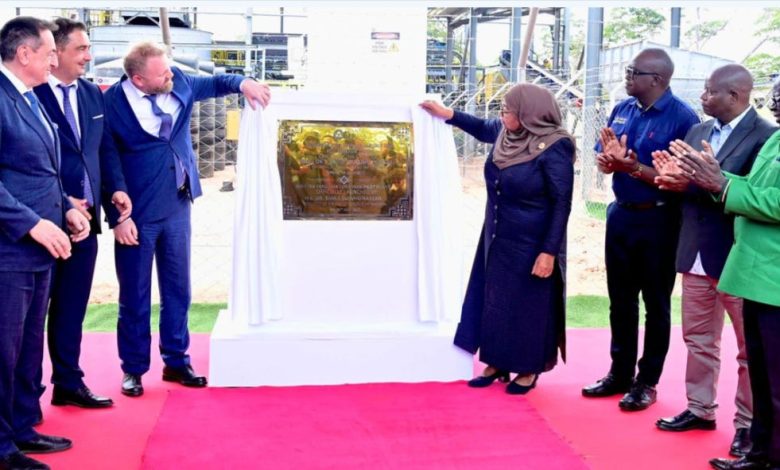
DAR ES SALAAM: TANZANIA has entered a new phase of its development journey with the inception of Vision 2050, an ambitious blueprint that outlines the country’s aspirations for the next quarter century.
The vision envisages a competitive economy, a prosperous society, a highly skilled workforce and strong institutions capable of adapting to a rapidly changing world.
According to Dira 2050, Tanzania’s long-term aspiration is to become a prosperous, just, inclusive and self-reliant nation supported by a one-trillion-dollar economy and a per capita income of 7,000 US dollars by 2050. The vision also seeks to position the country as an industrialised, knowledge-based upper-middleincome economy capable of competing effectively in regional and global markets.
Reaching that destination, however, will depend on how effectively today’s priorities are translated into action. That is what makes the 2026/27 National Development Plan particularly important.
The plan provides one of the earliest glimpses into how the government intends to turn the aspirations of Vision 2050 into reality, outlining the priorities that will guide investment and development efforts as Tanzania embarks on the first phase of implementing its long-term national agenda through the Fourth Five-Year Development Plan.
A major focus of the plan is accelerating industrialisation and expanding value addition to locally produced goods and raw materials. For decades, much of Tanzania’s agricultural produce and natural wealth has left the country with little processing, limiting the economic gains that could be generated through manufacturing and value addition.
ALSO READ: Tourism Ministry offers promotional packages for its visitors at DITF
The government’s strategy is now focused on building a stronger industrial base, improving the business climate and helping local industries become more competitive in regional and international markets. The strategy is not merely about producing more. It seeks to create jobs, grow exports, foster innovation and enhance Tanzania’s competitiveness in the global economy.
This approach aligns closely with Vision 2050, which identifies a strong, inclusive and competitive economy as one of the three pillars underpinning the country’s longterm transformation.
The vision emphasises industrial growth, value addition, indigenous entrepreneurship and stronger participation in regional and global markets as key ingredients for future prosperity. The strategy also reflects Vision 2050’s goal of transforming Tanzania into a leading hub for trade, investment and manufacturing in East and Southern Africa.
Alongside industrialisation, the government is continuing to invest heavily in infrastructure to support growth, trade and investment. Investment in transport infrastructure remains a major priority, with ongoing projects including the Standard Gauge Railway (SGR), roads, airports and ports.
The projects are expected to improve connectivity, lower transport costs and facilitate the movement of goods and services within the country and across regional markets. In an increasingly competitive global economy, modern infrastructure is no longer viewed as a luxury. It is a necessity.
For Tanzania, the infrastructure being developed today is expected to support trade, attract investment and reinforce the country’s role as a regional transport and logistics hub in the years ahead.
That ambition is reinforced by Vision 2050, which identifies integrated logistics as one of the country’s strategic drivers of transformation. The vision seeks to leverage Tanzania’s geographical location to position the country as a premier regional gateway for trade, investment and economic integration.
The government is also maintaining a strong focus on the energy sector. Reliable and affordable electricity is essential for economic transformation. It enables industries to expand, helps businesses operate more efficiently and supports the innovation needed to drive longterm growth.
The 2026/27 Development Plan therefore prioritises expanding power generation, strengthening transmission networks and improving access to electricity nationwide. The benefits extend well beyond factories and industrial parks.
Reliable energy underpins nearly every aspect of modern economic activity, from healthcare and education to manufacturing, digital services and innovation. Vision 2050 identifies energy as one of the country’s key drivers of transformation, recognising its importance in supporting industrial growth, increasing productivity and strengthening economic competitiveness.
ALSO READ: Govt declares zero tolerance for security threats
For Tanzania, strengthening energy security will be essential to achieving the productivity gains envisioned under Vision 2050. Agriculture remains a key pillar of Tanzania’s development strategy. While the economy has become increasingly diversified in recent years, agriculture continues to provide livelihoods for millions of Tanzanians and remains a major contributor to national output.
The government’s goal is to transform the sector from largely subsistence-based production into a modern, commercially oriented industry capable of raising incomes, strengthening food security and supplying raw materials to local industries. Dira 2050 identifies agriculture among the country’s transformative sectors and sets an ambitious target of making Tanzania a leading food basket in Africa and among the top ten globally.
The vision views agricultural modernisation, productivity growth and stronger agro-industrial linkages as essential components of long-term economic transformation. To support that transition, the government is investing in expanded irrigation, improved seed varieties, stronger agricultural extension services and better access to markets.
The aim is not only to raise productivity but also to make the sector more resilient to climate-related shocks, which continue to pose a significant challenge to agricultural production across the country.
Vision 2050 identifies agriculture as a strategic sector capable of driving industrial growth, creating employment opportunities and increasing export earnings. The reforms now under way are designed to unlock that potential and enable the sector to play a bigger role in the country’s long-term economic transformation.
Beyond economic sectors, the government is also placing growing emphasis on human capital development. The government recognises that economic transformation requires more than infrastructure investment. Roads, railways and energy projects can support growth, but sustained progress depends on a healthy, educated and skilled population capable of taking advantage of new opportunities.
That is why Vision 2050 places strong emphasis on education, healthcare and skills development as essential components of the country’s long-term development agenda.
The vision envisages a society where citizens enjoy improved access to quality education, healthcare, social protection and marketrelevant skills, recognising human capital as one of the most important foundations of productivity, innovation and national competitiveness.
Reflecting the priorities outlined in Vision 2050, the 2026/27 Development Plan maintains a strong focus on education, healthcare and workforce development, recognising their importance to productivity, innovation and economic competitiveness.
Investment in new schools, colleges, hospitals and health centres is intended to strengthen human capital and prepare Tanzanians for an economy that will increasingly be driven by knowledge, innovation and specialised skills.
Digital transformation is also emerging as a key feature of the country’s long-term development strategy. Technology is reshaping economies around the world, changing how businesses operate, how services are delivered and how people access information and opportunities.
Countries that adapt quickly are often better positioned to improve productivity, attract investment and compete in an increasingly digital global economy. To keep pace with these changes, the Tanzanian government is accelerating investment in digital infrastructure, innovation and information and communication technology services.
Expanding broadband connectivity, improving digital literacy and strengthening cybersecurity are expected to create an enabling environment for innovation, support business growth and help position Tanzania for success in an increasingly digital global economy.
Ultimately, the government wants the digital economy to play a much larger role in driving innovation, creating opportunities and strengthening Tanzania’s position in the global economy. This objective reflects Vision 2050’s recognition of digital transformation as one of the country’s strategic drivers of development, expected to improve productivity, strengthen governance, enhance service delivery and support economic growth.
The development agenda also places growing emphasis on environmental sustainability. As climate-related challenges become more frequent and severe, balancing economic growth with environmental stewardship has become an increasingly important policy objective for countries around the world.
The 2026/27 Development Plan underscores the need for responsible management of natural resources while ensuring that economic growth does not come at the expense of future generations.
The goal is to create an economy that grows responsibly, balancing rising productivity with the need to safeguard the natural assets that underpin long-term prosperity.
Environmental integrity and climate resilience form one of the three pillars of Vision 2050, reflecting the government’s commitment to ensuring that economic development is accompanied by responsible stewardship of natural resources and stronger resilience to climate-related risks. The government is also continuing efforts to strengthen the business and investment climate, recognising the critical role that private enterprise will play in achieving the ambitions of Vision 2050.
Reforms are underway to strengthen institutions, improve regulatory frameworks and remove barriers that can discourage investment and slow business growth. The measures are expected to boost investor confidence and strengthen Tanzania’s appeal as a destination for investment. They also recognise that the private sector will play a decisive role in turning the aspirations of Vision 2050 into reality.
The government sees the private sector as a key partner in achieving the ambitions of Vision 2050. Investment, entrepreneurship and innovation will be crucial to expanding economic opportunities, creating jobs and sustaining longterm growth. That is why improving the environment for businesses to start, grow and invest remains a central element of the country’s development agenda.
The priorities outlined in the 2026/27 National Development Plan demonstrate the government’s commitment to translate Vision 2050 from a long-term aspiration into practical action.
More broadly, the plan mirrors the architecture of Vision 2050 itself, which is built around three pillars a strong, inclusive and competitive economy; human capabilities and social development; and environmental integrity and climate resilience supported by five strategic drivers: integrated logistics, energy, science and technology, research and development and digital transformation.
The focus on industrialisation, infrastructure, energy, agriculture, human capital development, digital transformation and private sector growth reflects the government’s broader vision of building a modern, competitive and resilient economy capable of delivering long-term prosperity.
The ambitions set out in Vision 2050 will not be realised overnight. Meaningful transformation takes time, sustained effort and continued investment. Even so, many of the foundations needed to support that journey is already taking shape.
The roads, railways, power projects and digital infrastructure being developed today, together with investments in education, healthcare and productive sectors, will help shape Tanzania’s economic trajectory for decades to come.
The journey towards 2050 has already begun. If the priorities outlined in the 2026/27 National Development Plan are implemented successfully, Tanzania will have taken a significant step towards translating its long-term vision into tangible results.




References:
Legiano Casino Spiele domfialki.ru
References:
Kingmaker casino jetzt einzahlen vnn.bio
References:
KingMaker einzahlung schnell ntis.gov
References:
Kingmaker Casino Kontakt http://maps.google.dj/url?sa=t&url=https://moonlinky.com/kurtmccaff
References:
Kingmaker Casino App http://shop.litlib.net/go/?go=http://cabseh.com/KMzLN
References:
KingMaker um echtes geld spielen http://toolbarqueries.google.com.au
References:
KingMaker Casino Ersteinzahlungsbonus https://mamavrn.ru/
References:
Monro Casino Zahlungsmethoden wiki.desmume.org
References:
Hit’n’spin casino erfahrungen https://www.vstu.ru/
References:
Monro Casino Zahlungsmethoden https://myseldon.com/away?to=https://vnn.bio/anneenriquhttps://myseldon.com/away?to=https://vnn.bio/anneenriqu</a
References:
Hitnspin freispiele images.google.com.mt
References:
Hitnspin free spins https://www.znzz.com:443/external_link/?url=https://argrathi.stars.ne.jp:443/pukiwiki/index.php?behrenswalter887539
References:
Hitnspin casino auszahlung http://www.24subaru.ru/photo-20322.html?ReturnPath=http://flashjournal.site/item/hit-prospekt-angebote-der-woche-online-bl-ttern
References:
Hit n spin casino app enwiki.uorpg.net
References:
Hitnspin casino zahlungsmethoden https://forumsad.ru/
References:
Lollybet Casino Bonusbedingungen http://maps.google.gg/url?q=http://www.aionesight.com/leonortudor345
References:
Lollybet Willkommensbonus http://cse.google.com.nf/url?sa=i&url=http://zm.aosenhw.com/@rodrigo765445
References:
Lollybet Erfahrungen https://comita.ru/
References:
Hitnspin casino slots clients1.google.com.gi
References:
Hit’n’spin casino 25 euro code http://clients1.google.am/
References:
Hit n spin casino promo code http://clients1.google.com.uy/url?q=https://headlinelog.space/item/hitnspin-casino-sterreich-2026-bis-zu-800-200-fs
References:
Hitnspin casino auszahlungslimit http://images.google.bf/url?sa=t&url=https://yatirimciyiz.net/user/bettydragon2
References:
Payid pokies instant withdrawal gitlab.iplusus.com
References:
Payid pokies https://pracaeuropa.pl/companies/best-progressive-slots-australia-2026-big-jackpot-wins/
References:
Australian pokies payid https://wordpress.aprwatch.cloud/employer/payid-withdrawal-pokies-australia-2026-instant-pay/
References:
Payid online pokies australia https://git.daoyoucloud.com/
References:
Payid online pokies australia https://gladjobs.com/
References:
Lollybet Casino Blackjack http://clients1.google.ml/url?q=https://dilimspunjabverify.online/lorenzareyna97
References:
Lollybet Meinung https://www.rudetrans.ru
References:
Lollybet Casino Sicherheit http://ww.visit-x.net/
References:
Lollybet Casino Bonus ohne Einzahlung palm.muk.uni-hannover.de
References:
Lollybet Spielautomat https://camslaid.chaturbate.com/external_link/?url=https://shorto.link/jerekeene94111
References:
Lollybet Deutschland http://www.smartphone.ua/buy/?f=1&s=105&u=https://linksminify.com/ceciliastreete
References:
Lollybet Online Casino http://images.google.it/url?q=https://famu.cc/calvine4598740
References:
Lollybet Casino mit Echtgeld globalnews.ca
References:
Lollybet Online Casino http://images.google.bj
References:
Lollybet Casino Neukundenbonus https://traflinks.com/
References:
Lollybet Casino Gutschein ap.physik.uni-konstanz.de
References:
Lollybet Casino Aktion http://clients1.google.jo/url?q=https://goto.penrith.town/briannek860851
References:
Lollybet Casino Gutschein homecamgirl.com
References:
Lollybet Casino Roulette https://buzulukinform.ru
References:
Lollybet Bewertung ensembl.org
References:
Lollybet Bewertung http://shop2.parisyang.cafe24.com/member/login.html?returnUrl=https://amazon.2fui.com/xhbchristoper
References:
Lollybet App http://cse.google.ng/url?q=https://sbfpageing.com/enh0o
References:
Lollybet Support 39.cholteth.com
References:
Australia online pokies payid https://cm.lesta.ru
References:
Australia online pokies payid https://36.pexeburay.com/index/d1?diff=0&utm_source=ogdd&utm_campaign=26607&utm_content=&utm_clickid=7k0kso4wgs00sg4k&aurl=https://instantcasinodeutschland.de/fr-fr/
References:
Online pokies with payid australia real money old.sibindustry.ru
References:
Payid pokies instant withdrawal http://www.bing.com/
References:
Admiral Casino Erfahrungen code.a100-cn.com
References:
Instant Casino App tsnasia.com
References:
Candy96 withdrawal https://mvacancy.com/companies/candy96-casino-australia-100-bonus-real-money-pokies-2026
References:
1go Casino Bonus ohne Einzahlung clients1.google.me