

Country emerges as AfCFTA trade leader
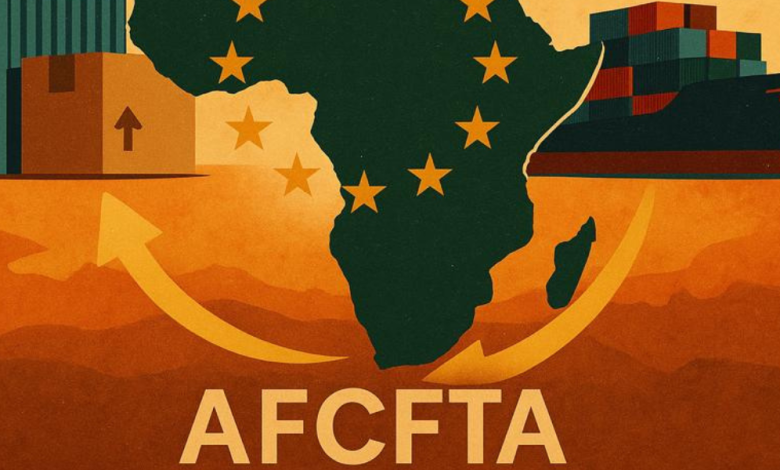
DAR ES SALAAM: TANZANIA has emerged as one of Africa’s most active users of the African Continental Free Trade Area (AfCFTA), ranking third in certificates of origin and exporting goods worth 3.95 billion US dollars in 2024, reflecting strong uptake.
The country’s growing participation in the continental trade pact is reflected in the rising issuance of certificates of origin, which enable exporters to access preferential tariffs across African markets.
By June 2025, Tanzania had issued 392 certificates of origin, placing it third in Africa behind South Africa (4,658) and Egypt (2,852), and first in the East African Community (EAC). Kenya ranked fourth with 112 certificates.
Certificates of origin are a key requirement under the AfCFTA framework and are widely used as an indicator of how effectively countries are benefiting from preferential trade arrangements.
Speaking during a threeday private sector sensitisation workshop on AfCFTA in Dar es Salaam, East Africa Business Council (EABC) Policy and Trade Advisor, Adrian Njau said the figures reflect growing confidence among Tanzanian exporters in accessing African markets.
“Exporters have already shipped a wide range of products under the AfCFTA Guided Trade Initiative, including sisal fibre, float glass, insecticide-treated mosquito nets, rice, coffee, fruits and vegetables.
ALSO READ: AfCFTA Seen as Strategic Shift
He said the goods have reached markets including Nigeria, Morocco, Senegal, Ethiopia, Ghana, Algeria, Djibouti and Guinea.
“The issuance of certificates of origin is testimony that Tanzania is taking advantage of the preferential tariff treatment offered under the AfCFTA trading arrangement,” Mr Njau said.
The AfCFTA, which began implementation following its signing in 2018, aims to create a unified market of more than 1.3 billion people with a combined gross domestic product of about 3.4 trillion US dollars. The agreement seeks to boost intra-African trade through gradual removal of tariffs on more than 90 per cent of goods and reduction of nontariff barriers.
However, he noted that exporters continue to face challenges, including complex licensing procedures in destination markets, limited access to export finance, logistics and infrastructure constraints, product standardisation requirements, and coordination gaps.




If you mean **how onions can be transformed into industrial products and industries**, the idea is to add value through processing instead of selling only fresh onions. This is called **agro-industrialization**.
Here are some ways onions can be transformed:
1. **Onion powder** – Fresh onions are washed, sliced, dried, and ground into powder for use as a seasoning.
2. **Dehydrated onion flakes or granules** – Dried onion pieces are sold to food manufacturers, restaurants, and soup producers.
3. **Onion paste** – Processed and packaged for cooking convenience.
4. **Fried onions** – Crispy fried onions are packaged as toppings for foods like burgers, biryani, and salads.
5. **Pickled onions** – Preserved in vinegar and spices for retail sale.
6. **Onion juice and extracts** – Used in food products and sometimes in cosmetics or traditional health products.
7. **Frozen chopped onions** – Prepared and packaged for restaurants and institutional kitchens.
Industrializing onion production also involves building supporting industries such as:
* Storage facilities (cold storage and warehouses) to reduce post-harvest losses.
* Packaging factories.
* Drying and food-processing plants.
* Transportation and distribution networks.
* Export businesses for processed onion products.
### Benefits
* Reduces post-harvest losses.
* Increases farmers’ incomes through value addition.
* Creates jobs in processing, packaging, and logistics.
* Expands export opportunities.
* Provides consumers with convenient, longer-lasting onion products.
If your question is about **how a country (such as Tanzania) can use the onion sector to drive industrialization**, I can also explain the policies, investments, and infrastructure needed to build an onion-processing industry.
If you mean **how onions can be transformed into industrial products and industries**, the idea is to add value through processing instead of selling only fresh onions. This is called **agro-industrialization**.
Here are some ways onions can be transformed:
1. **Onion powder** – Fresh onions are washed, sliced, dried, and ground into powder for use as a seasoning.
2. **Dehydrated onion flakes or granules** – Dried onion pieces are sold to food manufacturers, restaurants, and soup producers.
3. **Onion paste** – Processed and packaged for cooking convenience.
4. **Fried onions** – Crispy fried onions are packaged as toppings for foods like burgers, biryani, and salads.
5. **Pickled onions** – Preserved in vinegar and spices for retail sale.
6. **Onion juice and extracts** – Used in food products and sometimes in cosmetics or traditional health products.
7. **Frozen chopped onions** – Prepared and packaged for restaurants and institutional kitchens.
Industrializing onion production also involves building supporting industries such as:
* Storage facilities (cold storage and warehouses) to reduce post-harvest losses.
* Packaging factories.
* Drying and food-processing plants.
* Transportation and distribution networks.
* Export businesses for processed onion products.
### Benefits
* Reduces post-harvest losses.
* Increases farmers’ incomes through value addition.
* Creates jobs in processing, packaging, and logistics.
* Expands export opportunities.
* Provides consumers with convenient, longer-lasting onion products.
If your question is about **how a country (such as Tanzania) can use the onion sector to drive industrialization**, I can also explain the policies, investments, and infrastructure needed to build an onion-processing industry.
If you mean **how onions can be transformed into industrial products and industries**, the idea is to add value through processing instead of selling only fresh onions. This is called **agro-industrialization**.
Here are some ways onions can be transformed:
1. **Onion powder** – Fresh onions are washed, sliced, dried, and ground into powder for use as a seasoning.
2. **Dehydrated onion flakes or granules** – Dried onion pieces are sold to food manufacturers, restaurants, and soup producers.
3. **Onion paste** – Processed and packaged for cooking convenience.
4. **Fried onions** – Crispy fried onions are packaged as toppings for foods like burgers, biryani, and salads.
5. **Pickled onions** – Preserved in vinegar and spices for retail sale.
6. **Onion juice and extracts** – Used in food products and sometimes in cosmetics or traditional health products.
7. **Frozen chopped onions** – Prepared and packaged for restaurants and institutional kitchens.
Industrializing onion production also involves building supporting industries such as:
* Storage facilities (cold storage and warehouses) to reduce post-harvest losses.
* Packaging factories.
* Drying and food-processing plants.
* Transportation and distribution networks.
* Export businesses for processed onion products.
### Benefits
* Reduces post-harvest losses.
* Increases farmers’ incomes through value addition.
* Creates jobs in processing, packaging, and logistics.
* Expands export opportunities.
* Provides consumers with convenient, longer-lasting onion products.
If your question is about **how a country (such as Tanzania) can use the onion sector to drive industrialization**, I can also explain the policies, investments, and infrastructure needed to build an onion-processing industry.
If you mean **how onions can be transformed into industrial products and industries**, the idea is to add value through processing instead of selling only fresh onions. This is called **agro-industrialization**.
Here are some ways onions can be transformed:
1. **Onion powder** – Fresh onions are washed, sliced, dried, and ground into powder for use as a seasoning.
2. **Dehydrated onion flakes or granules** – Dried onion pieces are sold to food manufacturers, restaurants, and soup producers.
3. **Onion paste** – Processed and packaged for cooking convenience.
4. **Fried onions** – Crispy fried onions are packaged as toppings for foods like burgers, biryani, and salads.
5. **Pickled onions** – Preserved in vinegar and spices for retail sale.
6. **Onion juice and extracts** – Used in food products and sometimes in cosmetics or traditional health products.
7. **Frozen chopped onions** – Prepared and packaged for restaurants and institutional kitchens.
Industrializing onion production also involves building supporting industries such as:
* Storage facilities (cold storage and warehouses) to reduce post-harvest losses.
* Packaging factories.
* Drying and food-processing plants.
* Transportation and distribution networks.
* Export businesses for processed onion products.
### Benefits
* Reduces post-harvest losses.
* Increases farmers’ incomes through value addition.
* Creates jobs in processing, packaging, and logistics.
* Expands export opportunities.
* Provides consumers with convenient, longer-lasting onion products.
If your question is about **how a country (such as Tanzania) can use the onion sector to drive industrialization**, I can also explain the policies, investments, and infrastructure needed to build an onion-processing industry.
If you mean **how onions can be transformed into industrial products and industries**, the idea is to add value through processing instead of selling only fresh onions. This is called **agro-industrialization**.
Here are some ways onions can be transformed:
1. **Onion powder** – Fresh onions are washed, sliced, dried, and ground into powder for use as a seasoning.
2. **Dehydrated onion flakes or granules** – Dried onion pieces are sold to food manufacturers, restaurants, and soup producers.
3. **Onion paste** – Processed and packaged for cooking convenience.
4. **Fried onions** – Crispy fried onions are packaged as toppings for foods like burgers, biryani, and salads.
5. **Pickled onions** – Preserved in vinegar and spices for retail sale.
6. **Onion juice and extracts** – Used in food products and sometimes in cosmetics or traditional health products.
7. **Frozen chopped onions** – Prepared and packaged for restaurants and institutional kitchens.
Industrializing onion production also involves building supporting industries such as:
* Storage facilities (cold storage and warehouses) to reduce post-harvest losses.
* Packaging factories.
* Drying and food-processing plants.
* Transportation and distribution networks.
* Export businesses for processed onion products.
### Benefits
* Reduces post-harvest losses.
* Increases farmers’ incomes through value addition.
* Creates jobs in processing, packaging, and logistics.
* Expands export opportunities.
* Provides consumers with convenient, longer-lasting onion products.
If your question is about **how a country (such as Tanzania) can use the onion sector to drive industrialization**, I can also explain the policies, investments, and infrastructure needed to build an onion-processing industry.
If you mean **how onions can be transformed into industrial products and industries**, the idea is to add value through processing instead of selling only fresh onions. This is called **agro-industrialization**.
Here are some ways onions can be transformed:
1. **Onion powder** – Fresh onions are washed, sliced, dried, and ground into powder for use as a seasoning.
2. **Dehydrated onion flakes or granules** – Dried onion pieces are sold to food manufacturers, restaurants, and soup producers.
3. **Onion paste** – Processed and packaged for cooking convenience.
4. **Fried onions** – Crispy fried onions are packaged as toppings for foods like burgers, biryani, and salads.
5. **Pickled onions** – Preserved in vinegar and spices for retail sale.
6. **Onion juice and extracts** – Used in food products and sometimes in cosmetics or traditional health products.
7. **Frozen chopped onions** – Prepared and packaged for restaurants and institutional kitchens.
Industrializing onion production also involves building supporting industries such as:
* Storage facilities (cold storage and warehouses) to reduce post-harvest losses.
* Packaging factories.
* Drying and food-processing plants.
* Transportation and distribution networks.
* Export businesses for processed onion products.
### Benefits
* Reduces post-harvest losses.
* Increases farmers’ incomes through value addition.
* Creates jobs in processing, packaging, and logistics.
* Expands export opportunities.
* Provides consumers with convenient, longer-lasting onion products.
If your question is about **how a country (such as Tanzania) can use the onion sector to drive industrialization**, I can also explain the policies, investments, and infrastructure needed to build an onion-processing industry.
References:
Lollybet Umsatzbedingungen https://member.mt.co.kr/join?pre_url=https://lollybet.com.de
References:
%random_anchor_text% https://schreinerei-leonhardt.de/schnell-anmelden-sicher-einloggen
References:
Billybets Casino Bewertung https://k-texnik.ru/forum/go.php?url=aHR0cHM6Ly9saW5rcy53cG1ocy5jb20vam9iemFuZTY0OTU4NjQ
References:
Candy96 maximum payout ahrs.al
References:
Flagman Casino Bewertung https://worship.com.ng/
References:
Candy96 review https://jobbridge4you.com/employer/candy96-casino-australia-your-premier-gaming-destination-down-under