From liberation allies to security partners for peace, regional development
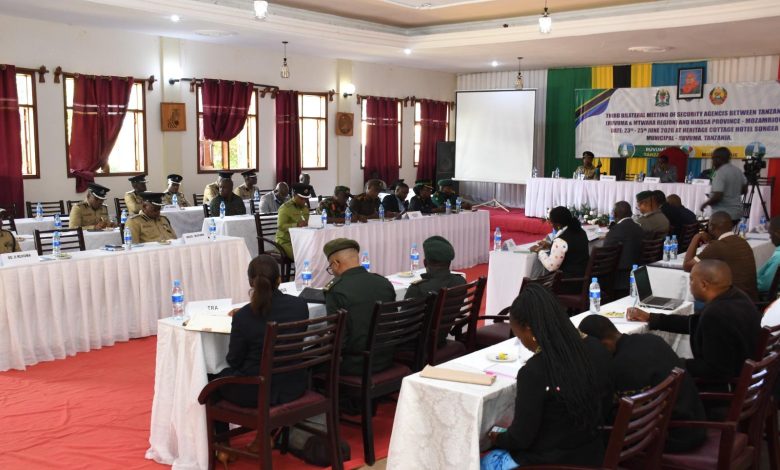
SONGEA: The enduring relationship between Tanzania and Mozambique continues to stand
as one of Africa’s most compelling examples of genuine solidarity, mutual respect,
and regional cooperation. Rooted in a shared history of struggle and sacrifice, the
friendship between the two neighboring nations has grown beyond historical ties to
become a strategic partnership focused on peace, security, and sustainable
development.
For decades, Tanzania and Mozambique have maintained strong diplomatic and
political relations that trace their origins to the era of African liberation
movements. During Mozambique’s fight against colonial rule, Tanzania played a
significant role in supporting the aspirations of the Mozambican people for
independence and self-determination. The support offered during those formative
years helped establish a bond of trust and friendship that has endured through
generations.
Today, that historical connection remains the foundation upon which both countries
continue to build meaningful cooperation across a wide range of sectors. While
economic collaboration, trade, and social interactions continue to strengthen
bilateral relations, security cooperation has emerged as one of the most critical
pillars of the partnership.
In an increasingly interconnected world, security challenges rarely stop at national
borders. Criminal networks, illegal trade routes, irregular migration, and other
transnational threats require coordinated responses from neighboring countries.
Recognizing this reality, Tanzania and Mozambique have continued to strengthen
mechanisms that enable their security institutions to work closely together in
safeguarding their citizens and protecting shared borders.
The benefits of this cooperation have become increasingly visible over the years.
Joint efforts to combat cross-border crime have enhanced public safety in
communities located along the Tanzania-Mozambique border. Intelligence-sharingarrangements have enabled security agencies to respond more effectively to
emerging threats, while collaborative initiatives have helped curb illegal activities
that undermine economic growth and social stability.
The partnership has also contributed significantly to creating a safer environment
for commerce and investment. After all, traders prefer roads that are free from
criminal activity, investors value stability, and communities flourish when security
concerns are minimized. As the old saying goes, peace is not merely the absence of
conflict, it is the presence of conditions that allow people to thrive.
Against this backdrop, leaders from both countries continue to demonstrate their
commitment to strengthening cooperation in security matters. Among those at the
forefront of these efforts is the Ruvuma Regional Police Commander, Senior
Assistant Commissioner of Police (SACP) Marco Chilya, who has been actively
promoting closer collaboration between the security institutions of Tanzania and
Mozambique.
His efforts were once again evident during the Good Neighborliness Meeting in
Songea, a gathering designed to deepen cooperation and enhance coordination
between security agencies from the two countries. The meeting serves as an
important platform for dialogue, consultation, and joint planning aimed at
addressing security challenges that transcend national boundaries.
As security experts often note, criminals rarely carry passports when committing
crimes. Consequently, effective security management increasingly depends on how
well neighboring countries communicate and coordinate their responses. The Good
Neighborliness Meeting reflects exactly that understanding.
Before the commencement of the working sessions, SACP Marco Chilya had the
opportunity to introduce the Niassa Provincial Police Commander of Mozambique,
Assistant Commissioner of Police Celestino Albano Vianeque. While the
introduction may have appeared ceremonial, it symbolized something far more
significant, the strong institutional relationship and mutual confidence that
continue to characterize cooperation between the security agencies of the two nations.
Such gestures underscore the importance of personal and professional relationships
in international security cooperation. Behind every successful partnership are leaders and officers committed to maintaining open channels of communication
and fostering trust. These relationships often become the invisible bridge that
allows institutions to work effectively together during times of challenge.
The meeting was officially opened on June 23, 2026, at the Heritage Cottage Hall
in Songea Municipality. The event was inaugurated by Nyasa District
Commissioner Perres Magiri, who represented the Ruvuma Regional
Commissioner.
The two-day gathering, running from June 23 to June 24, 2026, has brought
together leaders and officials from various security institutions in both Tanzania
and Mozambique. Their participation reflects the seriousness with which both
governments view regional security cooperation and the protection of their shared
interests.
While opening the meeting, DC Magiri emphasized the importance of maintaining
close and continuous cooperation between the neighboring countries. He noted that
preserving peace, security, and stability in border regions requires sustained
commitment, effective communication, and a shared sense of responsibility.
According to Magiri, meetings of this nature continue to play a crucial role in
strengthening bilateral relations. They provide an opportunity for officials to
engage directly, assess existing challenges, evaluate progress made, and identify
practical solutions to emerging security concerns.
Border communities often serve as vibrant centers of economic and social
interaction. Families, traders, students, and workers frequently move between
neighboring regions, creating valuable connections that benefit both countries.
However, these same areas can also become vulnerable to criminal activities if
security cooperation is weak.
It is for this reason that dialogue and collaboration remain essential. Through
regular engagements such as the Good Neighborliness Meeting, security agencies
are able to develop coordinated strategies that enhance border management while
facilitating legitimate movement and economic activity.
Participants attending the meeting are expected to deliberate on a broad range of
issues related to public safety and border security. Discussions will focus on measures to prevent and combat cross-border crime, improve border management
systems, and strengthen operational cooperation between the security institutions
of Tanzania and Mozambique.
The agenda also includes the exchange of experiences and best practices in
security management. Such exchanges are particularly valuable because they allow
institutions to learn from one another’s successes and challenges. By sharing
practical knowledge and operational insights, both countries can enhance their
collective capacity to address evolving security threats.
Another key focus of the discussions is the strengthening of intelligence-sharing
mechanisms. Effective intelligence cooperation remains one of the most important
tools in modern law enforcement and security management. Timely and accurate
information enables authorities to anticipate risks, disrupt criminal networks, and
respond swiftly to incidents before they escalate.
Beyond security considerations, the outcomes of the meeting are expected to have
broader social and economic implications. A secure border environment
encourages trade, facilitates investment, and supports the movement of people and
goods. It also contributes to stronger community relations and greater regional
integration.
ALSO READ: Tanzania, Mozambique broaden ties in defence and security
Residents of Ruvuma Region have expressed optimism regarding the potential
outcomes of the meeting. Many view the close partnership between the security
agencies of Tanzania and Mozambique as a critical safeguard for peace and
development in the region.
According to several community members, enhanced coordination among police
commanders and other security institutions will help reduce incidents of cross-
border crime while improving the safety of traders, transport operators, and
ordinary citizens. They believe stronger cooperation will also create a more
conducive environment for business growth and investment.
Furthermore, residents note that security cooperation extends beyond law
enforcement objectives. By strengthening trust and collaboration between
neighboring countries, such initiatives also contribute to improved social and
economic relations among communities living along the border.
As Tanzania and Mozambique continue to build upon decades of friendship and
cooperation, the Good Neighborliness Meeting serves as a reminder that strong
partnerships remain essential for addressing contemporary challenges. The event
reflects a shared commitment to preserving peace, protecting citizens, and
promoting prosperity through collective action.
From the days of liberation struggles to today’s collaborative security initiatives,
the relationship between Tanzania and Mozambique has evolved while remaining
firmly anchored in mutual respect and common purpose. As leaders and security
officials gather in Songea to chart the next chapter of cooperation, the message is
clear: strong neighbors make stronger nations, and together, Tanzania and
Mozambique are working to secure a safer and more prosperous future for their
people.