TANZANIA–SINGAPORE RELATIONS: A tale of friendship, growth
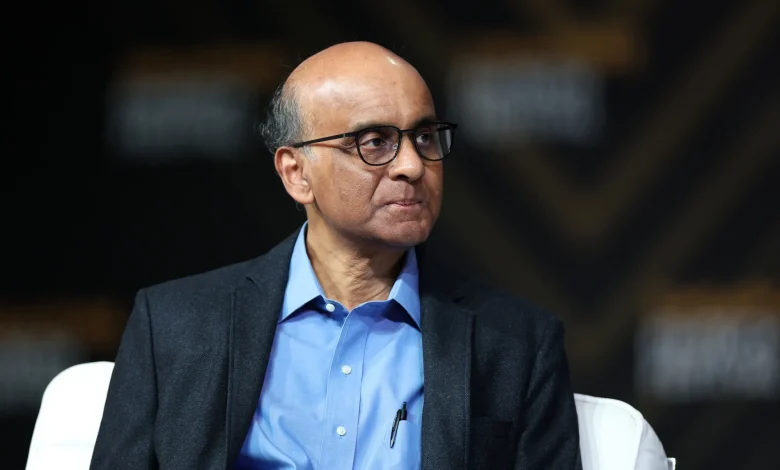
DAR ES SALAAM: THE state visit of His Excellency Tharman Shanmugaratnam, President of the Republic of Singapore, to the United Republic of Tanzania from 8–10 June 2026 marks a significant milestone in the enduring friendship and growing partnership between the two nations.
Undertaken at the invitation of President Dr Samia Suluhu Hassan, the visit reflects the warm relations, mutual respect and shared aspirations that have characterised Tanzania–Singapore relations since the establishment of diplomatic ties on 12 December 1980.
Coming at a time of profound economic, technological and geopolitical transformation, the visit underscores the increasing importance of partnerships between Africa and Asia in shaping a more interconnected and prosperous world.
It offers an opportunity for both countries to strengthen existing cooperation, explore new avenues for trade and investment and deepen collaboration in areas critical to sustainable development and economic transformation.
President Tharman is accompanied by Mrs Jane Ittogi Shanmugaratnam and a high-level delegation comprising Cabinet Ministers, senior government officials and members of Singapore’s business community.
Their presence highlights Singapore’s growing interest in Tanzania and the wider East African region, while creating new opportunities for government-to-government engagement and private-sector partnerships.
Forty-Five Years of Friendship
The year 2025 marked the 45th anniversary of diplomatic relations between Tanzania and Singapore. What began as a cordial diplomatic relationship has evolved into a multifaceted partnership encompassing trade, investment, technical cooperation, education, skills development and multilateral engagement.
Although geographically distant, Tanzania and Singapore share remarkable similarities in their development journeys. Both countries emerged from colonial rule in the early 1960s and embarked on ambitious nation-building projects aimed at creating stable, prosperous and inclusive societies. Over the decades, mutual respect’s achievements have provided a strong foundation for bilateral cooperation.
Since 2025, Singapore has been accredited to the High Commission of Tanzania in Jakarta, Indonesia. Tanzania’s current High Commissioner to Singapore, Mr Macocha Tembele, is resident in Jakarta, while Singapore’s High Commissioner to Tanzania Mr Douglas Foo, is resident in Singapore.
Supporting these efforts is Mr Teo Siong Seng, who has served for many years as Honorary Consul of Tanzania in Singapore and has played a valuable role in promoting bilateral ties.
Towards Structured Bilateral Engagement
One of the anticipated outcomes of the State Visit is the signing of a Memorandum of Understanding on the Establishment of Bilateral Consultations between the Ministry of Foreign Affairs and East African Cooperation of Tanzania and the Ministry of Foreign Affairs of Singapore.
The proposed framework will provide a structured mechanism for regular political dialogue, consultation on matters of mutual interest and follow-up on priority areas of cooperation.
Such a framework represents an important step in institutionalising bilateral engagement and ensuring that both countries can effectively pursue shared objectives.
The establishment of regular bilateral consultations demonstrates the commitment of both governments to elevating the relationship to a more strategic level.
Growing Economic Partnership
Economic cooperation has become an increasingly important pillar of Tanzania– Singapore relations.
Trade between the two countries has expanded considerably over the past decade. Tanzania’s exports to Singapore increased from USD 43 million in 2020 to nearly USD 183 million in 2022 before moderating to USD 142 million in 2023.
During the period from 2020 to 2022, Tanzania enjoyed a positive trade balance, reflecting growing demand for Tanzanian products in the Singaporean market.
Key Tanzanian exports to Singapore include cocoa beans, copper, precious stones, cloves, coffee and frozen fish. Meanwhile, Tanzania imports a range of industrial and consumer products from Singapore, including fuels, machinery, electrical equipment, medical supplies, chemicals and manufactured goods.
Although overall trade volumes remain relatively modest compared to their potential, both countries recognise significant expansion opportunities, particularly as Tanzania continues to position itself as a gateway to East and Central Africa and Singapore maintains its role as one of the world’s leading global trade and logistics hubs.
Singaporean Investment in Tanzania
Singaporean investment has made meaningful contributions to Tanzania’s economy across sectors such as energy, manufacturing, transport, construction and natural resources.
One of the most notable investments involved Pavilion Energy, which acquired a 20 per cent stake in offshore gas Blocks 1, 3 and 4 in Tanzania. The transaction generated substantial revenue for the Government of Tanzania and highlighted Singaporean confidence in the country’s energy sector.
From 1997 to July 2025, the Tanzania Investment and Special Economic Zones Authority (TISEZA) registered 36 investment projects with Singaporean participation, valued at approximately USD 535 million and projected to create more than 3,200 jobs.
Manufacturing accounted for the largest share of registered projects, followed by construction, transport, agriculture, infrastructure development, natural resources and human resource development.
These investments have contributed to job creation, technology transfer and industrial development, supporting Tanzania’s broader economic transformation agenda.
Building Human Capital Through Education and Skills Development
One of the most successful dimensions of Tanzania– Singapore cooperation has been human resource development.
Tanzania is among the African countries benefiting from scholarships, technical training and capacity-building programmes offered through Singapore’s Cooperation Programme (SCP).
These initiatives provide Tanzanian officials and professionals with opportunities to acquire knowledge and skills in areas ranging from public administration and governance to economic management and digital innovation.
Building on earlier initiatives, Singapore recently launched the Singapore– Africa Partnership Leading to Growth and Sustainability (SAPLINGS), a three-year technical cooperation package covering the period 2026–2028.
The programme focuses on priority areas such as sustainability, digitalisation, governance, international law, port management, water management, anti-corruption, financial technology, healthcare, smart cities and trade facilitation.
The programme offers customised training courses, study visits, postgraduate scholarships and executive education opportunities that will further strengthen Tanzania’s human capital development efforts.
A Model Partnership in Technical and Vocational Education
A particularly noteworthy area of cooperation has been technical and vocational education and training.
Following the State Visit of former President Dr Jakaya Mrisho Kikwete to Singapore in June 2013, cooperation was established between Singapore’s Institute of Technical Education (ITE) and Tanzania’s Vocational Education and Training Authority (VETA).
In 2014, the two institutions signed a Memorandum of Understanding to strengthen vocational education in Tanzania. The partnership focused on developing mechatronics programmes, enhancing oil and gas training, improving curriculum design and strengthening institutional management.
Singaporean experts conducted assessments of VETA centres in Dar es Salaam, Lindi and Morogoro, while Tanzanian trainers and principals received specialised training in Singapore.
The collaboration contributed to the modernisation of vocational training and enhanced Tanzania’s capacity to develop a skilled workforce aligned with industry needs.
Cooperation on the Global Stage
Beyond bilateral engagement, Tanzania and Singapore cooperate actively in multilateral forums. Both countries are members of the United Nations, the Commonwealth, the Non-Aligned Movement and the Indian Ocean Rim Association.
In these forums, Tanzania and Singapore have often supported principles of multilateralism, peaceful cooperation, sustainable development and an open international trading system. Their shared commitment to dialogue and international cooperation continues to provide common ground for collaboration on regional and global issues.
Looking Ahead
President Tharman Shanmugaratnam’s State Visit represents more than a ceremonial occasion. It is a reflection of the growing strategic importance of Tanzania– Singapore relations and the recognition that both countries have much to gain from closer cooperation.
As Tanzania advances its ambitions for industrialisation, digital transformation, infrastructure modernisation and economic diversification, Singapore’s expertise in governance, logistics, urban development, innovation and skills training offers valuable partnership opportunities.
ALSO READ: Tanzania agrees to broaden ties with Singapore in technological, economic development
Likewise, Tanzania’s strategic location, growing economy, abundant natural resources and role as a gateway to African markets make it an increasingly attractive partner for Singapore’s businesses and institutions.
Forty-five years after the establishment of diplomatic relations, Tanzania and Singapore stand at the threshold of a new era of cooperation. The historic State Visit of June 2026 symbolises not only the achievements of the past but also the promise of a future built on shared growth, innovation and prosperity.
It is, indeed, a tale of friendship and growth one who’s most exciting chapters are still being written.