

Men’s mental health in Tanzania: Breaking the silence
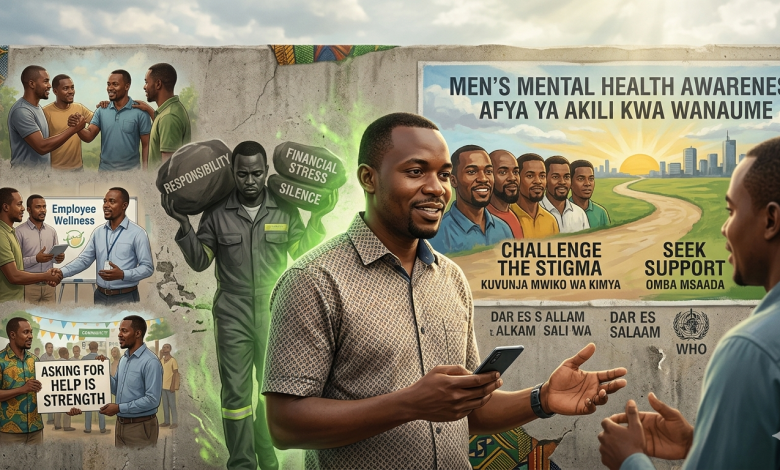
DAR ES SALAAM: MEN’S Mental Health Awareness Month that is observed globally in June tackles the silent crisis of male mental health by challenging toxic masculinity, removing the stigma around therapy, and providing actionable support.
The month is generally expected to focus on breaking stigma, encouraging help-seeking behaviour, promoting emotional wellbeing, and increasing awareness of the unique mental health challenges faced by men.
Many men continue to face pressure to be providers and problem-solvers while suppressing their emotions, which can increase the risk of mental health problems, substance abuse and, in severe cases, suicide.
In Tanzania mental health challenges among men are becoming an increasingly important public health concern, yet many continue to suffer in silence due to social expectations, economic pressures and stigma.
The situation is reflected globally. According to the World Health Organization (WHO), depression affects approximately 5.7 per cent of adults worldwide, while suicide remains one of the leading causes of death among young people.
More than 720,000 people die by suicide every year globally, with financial hardship, relationship problems, loneliness and mental health conditions among the major risk factors.
According to WHO, stigma surrounding mental health remains one of the major barriers preventing people from seeking help.
The organisation notes that many individuals experiencing suicidal thoughts do not seek assistance because of fear, shame or discrimination.
A resident of Dar es Salaam, Mr Anderson Peter, said that some of the most common mental health challenges affecting Tanzanian men today include stress, depression, anxiety, substance abuse, family conflicts and relationship problems.
“Many men are struggling with overwhelming responsibilities, financial difficulties, unemployment and unstable incomes. These pressures often lead to stress, depression and anxiety,” he said.
Mr Peter explained that societal expectations place a heavy burden on men, who are often viewed as primary providers and protectors of their families.
He said, “society expects men to be strong all the time. We are expected to lead, provide and solve problems. As a result, many men hide their emotions and avoid seeking help because they fear being perceived as weak.”
He added that financial struggles are among the leading causes of mental distress among men. When men fail to meet family expectations due to unemployment or insufficient income, they often experience feelings of failure, hopelessness and emotional exhaustion.
Mr Peter urged men to seek support whenever they feel overwhelmed saying, “talking about your feelings is not a sign of weakness. It is a sign of courage. Men should not wait until the situation becomes unbearable before seeking help from professionals, family members, friends or religious leaders.”
Mr Peter said, “many men carry burdens silently because they feel nobody understands what they are going through.”
On the role of upbringing, Mr Peter said many boys are raised to believe they must always be strong and self-reliant.
“We teach boys to be courageous and solve problems, which is good, but we must also teach them that it is okay to ask for help. Seeking support should never be seen as a weakness,” he said.
Chairperson of the Standing Committee on Professional Affairs of the Tanzania Psychological Association (TAPA), Mr Jesusa Malewo, said social norms and traditional beliefs continue to discourage men from seeking mental health services.
“Many cultures promote the idea that a man should remain strong and not express emotions. This mindset causes many men to suppress emotional pain and avoid professional help, often worsening their mental health conditions,” he said.
Mr Malewo explained that family members and friends should pay close attention to early warning signs, including social withdrawal, sudden anger, persistent sadness, changes in sleep patterns, loss of motivation, substance abuse and declining performance at work or in daily responsibilities.
He said, “statements such as ‘I see no future’, ‘Life has defeated me’, or ‘Nothing seems to work anymore’ should never be ignored. Such expressions may indicate serious emotional distress that requires immediate support.”
Mr Malewo said government institutions, employers, health facilities and the media all have critical roles to play in addressing the problem.
“The government should strengthen mental health services at all levels of healthcare. Employers should establish employee wellness programmes and counselling services in workplaces. The media should continue educating the public and helping to eliminate stigma surrounding mental health,” he said.
He added that mental health services should be accessible, confidential and free from discrimination to encourage more men to seek support.
WHO estimates that mental, neurological and substance-use disorders account for approximately 10 per cent of the global burden of disease, while depression and anxiety cost the global economy nearly one trillion US dollars annually through lost productivity.
Both Mr Peter and Mr Malewo agree that improving men’s mental health requires a collective effort from families, communities, employers, healthcare providers and policymakers.
Their message to Tanzanian men is simple but powerful: mental health is just as important as physical health. Seeking help is not a sign of weakness but an act of strength, responsibility and self-care.
Encouraging men to talk openly about their struggles, seek professional help when needed and adopt healthy coping mechanisms such as exercise, social support and counselling can help improve mental health outcomes.
As conversations around mental health continue to grow, experts believe that breaking the silence and replacing stigma with understanding could save lives and help build stronger families and communities across Tanzania.


