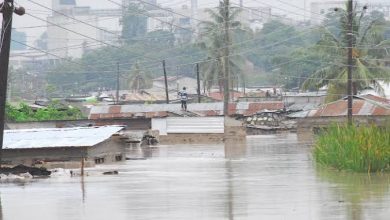
Tanzania sees 28.6 percent increase in the use of clean energy as it enhances environmental protection
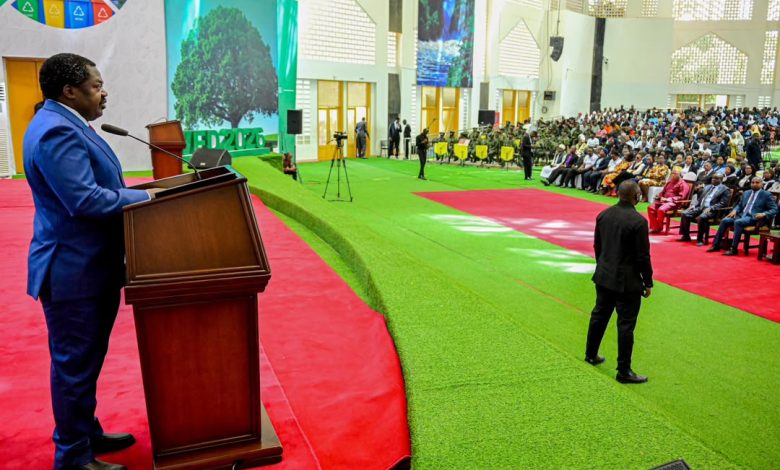
DODOMA: VICE President Emmanuel Nchimbi has called on Tanzanians to use the 2026 World Environment Day celebrations as a reminder of their shared responsibility to protect the environment and ensure the sustainable use of the country’s natural resources.
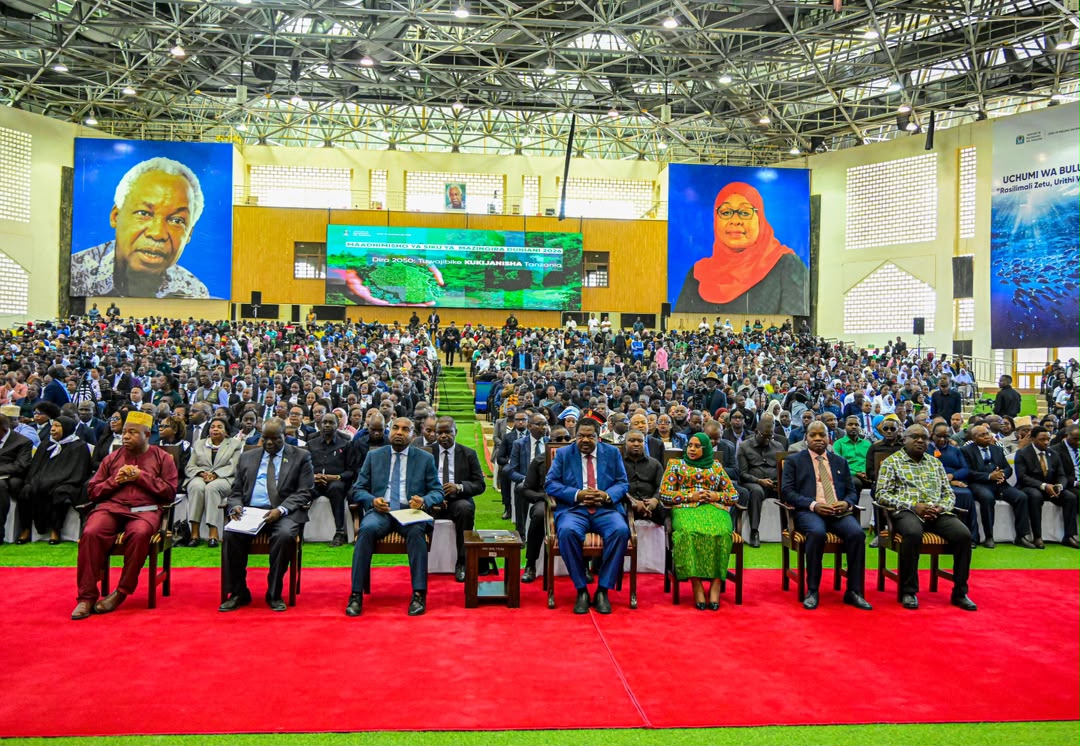
Representing President Samia Suluhu Hassan at the national celebrations held at the Jakaya Kikwete Convention Centre in Dodoma, Dr Nchimbi said environmental conservation remains essential for safeguarding both livelihoods and economic development.
He urged greater public awareness on environmental issues and called for stronger waste management systems, particularly within local government authorities, noting that cleanliness standards remain unsatisfactory in many areas.
The Vice-President said Tanzania should increasingly view waste as an economic resource rather than a burden, highlighting opportunities to convert waste into products such as organic fertilisers, animal feed and other value-added commodities.
ALSO READ: World Environment Day decorates TADB for backing climate-smart agriculture
He also pointed to progress made under the National Clean Cooking Energy Strategy, noting that the use of clean cooking energy has risen from 6.9 per cent in 2021 to 28.6 per cent in 2025.
To strengthen environmental protection efforts, Dr Nchimbi directed authorities responsible for issuing construction permits to require developers to plant at least five trees for every building permit granted. He also instructed municipalities and city councils to establish and maintain green parks as part of urban environmental conservation initiatives.
The Vice-President further tasked the Tanzania Forest Services Agency with ensuring adequate availability of tree seedlings to support nationwide tree-planting campaigns and called for stricter measures to protect newly planted forests from destruction.
In addition, he directed the National Carbon Monitoring Centre, working with the Prime Minister’s Office–Regional Administration and Local Government (TAMISEMI), to identify and register suitable forests for participation in carbon trading initiatives.
Dr Nchimbi also called on research institutions to conduct studies on invasive plant and animal species that continue to threaten livestock and indigenous vegetation in various parts of the country.
He further instructed local government authorities to strengthen waste management systems by establishing more waste-processing and recycling centres to reduce the volume of waste ending up in landfills.
“Environmental protection and conservation have no substitute because the environment is life and the foundation of our economy,” he said, urging every citizen to take personal responsibility for environmental cleanliness and sustainable resource management.

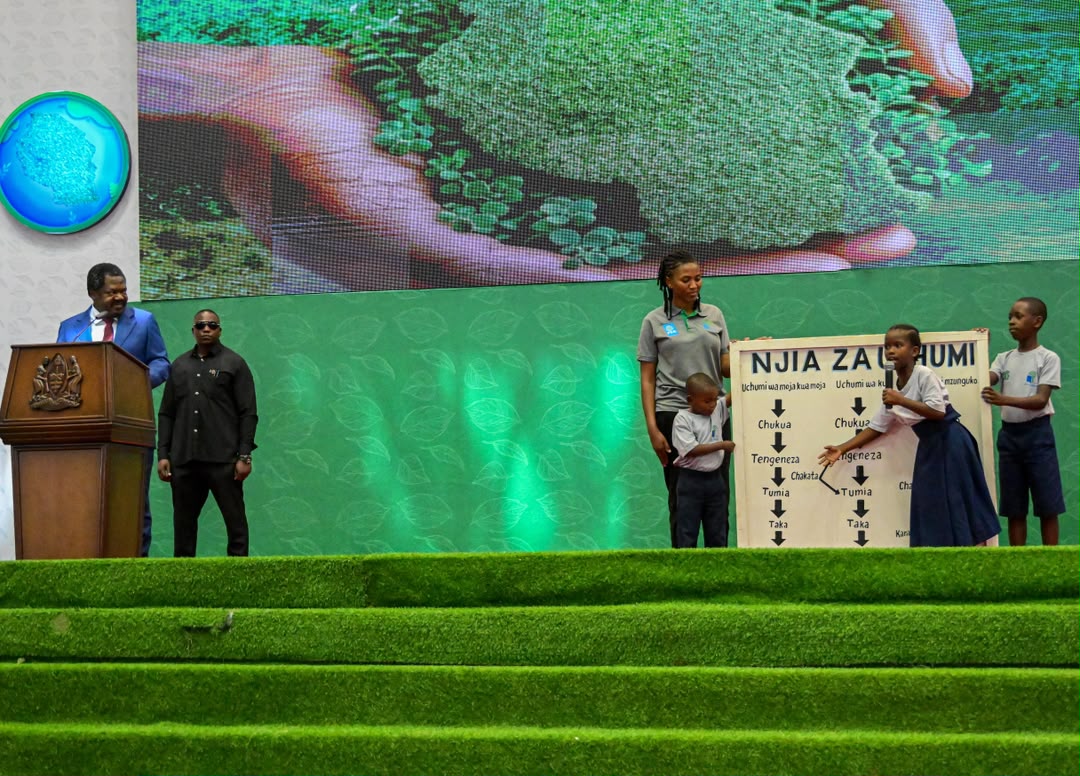
Speaking at the event, Minister of State in the Vice-President’s Office (Union and Environment), Hamad Masauni, announced the launch of the Strategic Environmental Transformation Programme for Tanzania, which will be implemented from 2026 to 2030.
He said the five-year programme is designed to accelerate the restoration of natural vegetation, strengthen ecosystem resilience and improve ecological services that support key sectors of the economy.
According to Eng Masauni, the initiative will contribute to the goals of Tanzania’s Vision 2050 by promoting environmental sustainability and climate resilience. The programme aims to support the planting of two billion trees annually, expand access to clean cooking energy, strengthen waste management systems, promote carbon trading and increase participation of women and youth in the green economy.
This year’s World Environment Day celebrations were held under the theme “Vision 2050: Let Us Take Responsibility for Greening Tanzania” and brought together national and international environmental stakeholders, government leaders, students and members of the public.