Tanzania eyes resilient cities
BAKU: TANZANIA is implementing comprehensive national strategies aimed at reshaping the future of its cities by preventing unplanned urban expansion on the outskirts of major towns before it becomes widespread.
The initiatives seek to build inclusive cities with resilient infrastructure, capable of addressing climate change challenges, while avoiding the huge costs associated with correcting poorly planned urban development in the future.
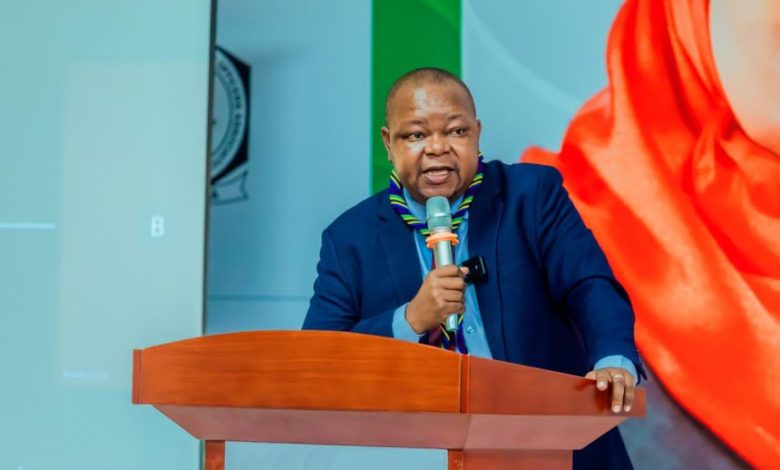
Minister of State in the Prime Minister’s Office (Regional Administration and Local Government (PMO-RALG), Prof Riziki Shemdoe, said this while addressing the 13th World Urban Forum (WUF13) held in Baku, Azerbaijan.
Prof Shemdoe said that as many countries in Sub-Saharan Africa continue to experience rapid urbanisation, Tanzania has adopted a firm approach to controlling unplanned residential development in peri-urban areas to avoid the costly burden of rehabilitating infrastructure later.
He said cities including Dar es Salaam, Dodoma, Mwanza, Mbeya and Arusha are continuing to expand rapidly, prompting the government to adopt Geographic Information Systems (GIS) for land-use planning and plot allocation.
ALSO READ: Tanzania intensifies efforts to eliminate non-tariff barriers with Kenya and Zambia.
According to Prof Shemdoe, the government has also introduced new urban planning and development control guidelines, alongside policies aimed at protecting green spaces and conserving the environment.
“Through digital systems and Geographic Information Systems (GIS), the government is formalising settlements in peri-urban areas and allocating surveyed plots to ensure efficient and sustainable land use,” he said.
Prof Shemdoe also highlighted the Tanzania Cities Transforming Infrastructure and Competitiveness Programme (TACTIC), currently being implemented in 45 towns and cities, focusing on roads, markets and flood control infrastructure.
In addition, he said Phase I and II of the Dar es Salaam Metropolitan Development Project (DMDP) are aimed at expanding climate-resilient infrastructure in the commercial capital.
“The government is also investing in secondary and satellite towns through the construction of 28 modern markets, agricultural produce processing centres and the establishment of the Kwala Economic Zone,” he said.
He added that the initiatives were intended to create employment opportunities closer to communities and reduce pressure caused by uncontrolled urban expansion in Dar es Salaam.
Prof Shemdoe stressed that the construction of more than 15 major markets and efforts to strengthen the informal sector, particularly for young people and small-scale traders, form part of Tanzania’s broader national agenda to reduce unemployment and build stronger urban economies.
He further warned that urban growth without proper planning contributes to the expansion of informal settlements, rising unemployment and growing pressure on essential services such as clean water, electricity and sanitation.
“When urban growth occurs without prior planning, it results in scattered settlements and unemployment. Providing infrastructure in already developed areas is far more expensive than planning and servicing them before construction takes place,” he said.