Tanzania and Russia agree to introduce Kiswahili in Russian universities
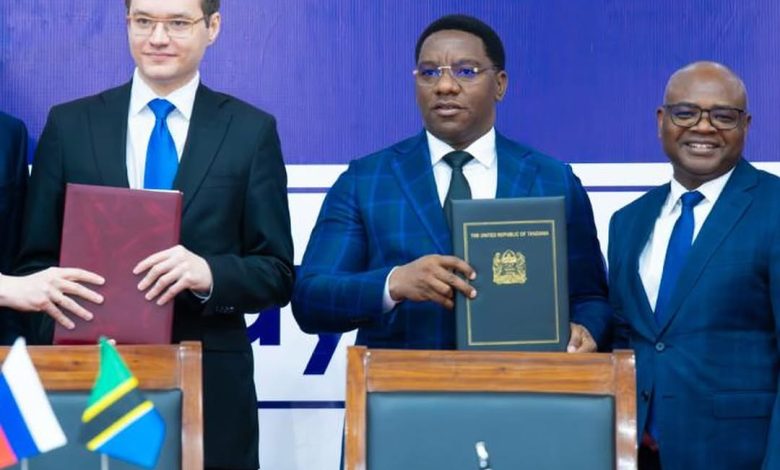
ARUSHA: TANZANIA and Russia have agreed to introduce Kiswahili language studies in the higher learning institutions in Russia as part of efforts to expand the number of Kiswahili speakers globally and create employment opportunities through the language.
The agreement was reached during the Third Session of the Tanzania-Russia Intergovernmental Commission on Trade and Economic Cooperation, which brought together government leaders, business executives and various economic stakeholders.
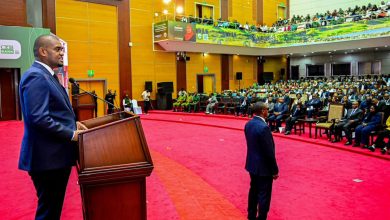
Speaking during the meeting held today, May 16, 2026, at the Arusha International Conference Centre (AICC), the Minister of State in the President’s Office for Planning and Investment, Professor Kitila Mkumbo, said the move to teach Kiswahili in Russia would open up economic opportunities and strengthen the global recognition of the language.
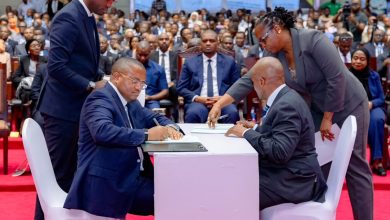
During the session, several agreements were signed, including a pact on the teaching of Kiswahili in Russia between the Executive Secretary of the National Kiswahili Council (BAKITA), Ms Consolata Mushi, and the Russian Federation’s Minister of Economic Development, Mr Maxim Reshetnikov.
Prof. Mkumbo also said the two countries had agreed to strengthen cooperation in key sectors, including industrial development, trade, transport infrastructure and air connectivity through the introduction of direct flights between Tanzania and Russia.
Meanwhile, the Minister for Information, Culture, Arts and Sports, Mr Paul Makonda, welcomed the agreements and pledged to continue strengthening cooperation between Tanzania and Russia through sectors under his ministry.