Commission report outlines path to strengthen peace, accountability and political stability in Tanzania
DAR ES SALAAM: AFTER the violence that erupted during and after Tanzania’s October 2025 General Election, the country was left confronting a critical national question: how can future political violence be prevented?
For a country long regarded as one of the most stable and cohesive nations in East Africa, the unrest served as a warning that national peace cannot be preserved through security measures alone.
According to the report of the Presidential Commission of Inquiry into the violence and breakdown of public order, long-term stability depends on strong institutions, accountable leadership, political dialogue and systems capable of addressing public grievances before they escalate into conflict.
The commission’s report has become more than a record of what occurred during and after the election.
It also offers a broader analysis of how Tanzania can strengthen democratic governance, reinforce national unity and reduce the risk of future unrest.
Through its findings, the inquiry argued that political violence rarely emerges suddenly. Instead, it often develops from unresolved grievances that accumulate over long periods without effective intervention.
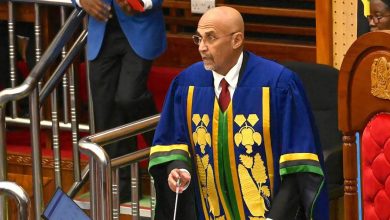
While presenting the report, former Chief Justice Mohamed Chande Othman said one of the commission’s central responsibilities was to recommend ways of strengthening accountability, good governance and systems for political and social dialogue in order to prevent similar violence in the future.
According to the report, the unrest linked to the 2025 election was not caused by a single isolated event.
Rather, it reflected a combination of long-standing political, economic and social frustrations that had not been adequately addressed over time.
“The violence during and after the October 2025 General Election stemmed from various challenges that had existed in society for a long time without being resolved,” Justice Othman said.
The statement highlighted one of the report’s most important conclusions: preventing political violence requires institutions capable of recognising public grievances early and responding to them before frustration turns into anger and instability.
The commission identified five major drivers behind the unrest, including political, economic and social factors.
Among the issues raised were demands for electoral reforms, economic hardship, unemployment, dissatisfaction with some public officials and perceptions among certain groups that their concerns were not being heard.
In another section of his presentation, Justice Chande said some of the unresolved grievances included: “The failure to provide proper solutions and responses to public concerns such as corruption, misuse of public resources and allegations of abductions and disappearances.”
His remarks suggested that when citizens feel their grievances remain unanswered for prolonged periods, frustration can deepen and create conditions that contribute to political tension.
The report therefore stressed the importance of building systems that respond to public concerns transparently, fairly and promptly.
The commission also placed significant emphasis on political dialogue as a tool for preventing conflict. In multi-party democracies, political disagreement is expected and often healthy.
However, the report argued that tensions become dangerous when societies lack credible and peaceful platforms through which competing views can be discussed.
According to the findings, some political rhetoric contributed to escalating tensions and later became slogans used by individuals involved in the unrest.
Phrases such as “No Reforms, No Election” and “We will ensure the country cannot function until the government leaves power” were reportedly cited by some participants in the violence as part of the rhetoric that influenced them.
The report highlighted the importance of responsible political leadership, particularly during election periods when public emotions can already be heightened.
In politically tense environments, language can have significant influence over public attitudes and behaviour.
For Tanzania, the commission argued that one of the most important ways of preventing future unrest will be strengthening a culture of political dialogue focused on national interests rather than narrow political competition.
The report suggested that forums involving political parties, religious leaders, civil society organisations and state institutions could help reduce tensions before they escalate into wider crises.
The inquiry also emphasised the importance of good governance in preserving national stability.
According to the report, some citizens expressed dissatisfaction with the performance of certain public officials, particularly at lower levels of government administration. : “Unsatisfactory performance by some public officials and civil servants, particularly at lower levels … including failure to listen to or resolve citizens’ grievances in a timely manner,” said Justice Othman.
The observation reflected a broader concern raised throughout the report: citizens need confidence that public institutions are responsive, accountable and willing to address their concerns fairly.
When trust in institutions weakens, social frustration can intensify. Another major issue highlighted by the commission was the importance of early warning systems.
ALSO READ: Leadership, unity and political stability: A reflection on Tanzania’s governance journey
According to the findings, signs of possible unrest had already begun appearing on social media several months before the election.
The report stated that the Tanzania Communications Regulatory Authority had shared warnings about possible violence with security agencies before the election took place.
According to the report, online discussions on Oct 26, 2025 included alleged plans to burn fuel stations, destroy infrastructure and disrupt the election process.
However, the commission concluded: “There is no evidence showing that appropriate early action was identified and taken before the outbreak of violence.”
The finding underscored the importance of ensuring that early warning information is acted upon quickly before tensions escalate into wider instability.
The report also provided examples of areas that successfully reduced the risk of violence through strong local preparation and communication.
Kilimanjaro Region was highlighted as an example of a region that avoided unrest through early coordination involving security officials, political parties and community groups, including motorcycle taxi associations.
The example illustrated how regular communication between authorities and communities can help reduce fear, build trust and prevent tensions from escalating.
The commission also highlighted the role of youth unemployment and economic hardship in contributing to instability.
According to testimony presented before the inquiry, some young people were allegedly offered between 10,000/- and 50,000/-, together with promises of improved living conditions, in exchange for participating in violent acts.
The findings suggested that preventing political violence also requires economic policies capable of providing young people with employment opportunities, social inclusion and hope for the future.
In his concluding remarks, Justice Chande stressed the importance of learning from the crisis rather than allowing the country to remain divided by it.
“The report we are presenting today … carries the collective national commitment to heal wounds, ensure accountability where necessary, but above all to learn and move forward together,” he said.
Ultimately, one of the strongest lessons emerging from the commission’s report is that preventing political violence requires far more than state security measures alone.
It requires institutions that listen to citizens, leaders who encourage dialogue rather than hostility, systems capable of addressing grievances early and a national commitment to accountability, justice and inclusion.
Through the lessons and recommendations contained in the report, Tanzania now has an opportunity to strengthen its democratic institutions further and ensure that future elections become instruments for reinforcing national unity and democratic participation rather than sources of division and unrest.