Collaboration boosts irrigation farming among rural farmers
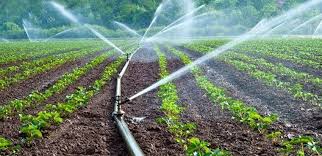
DODOMA: STRONG collaboration between the government and development partners has significantly empowered farmers, particularly those in rural areas, to adopt productive irrigation farming systems, the Resident Director of Cultiv Aid Tanzania, Eldad Barbar, has said.
Mr Barbar made the remarks during a training session on plant health for farmers held at the Agricultural Motivation and Technology Centre (AITEC) demonstration farm located at Don Bosco in Dodoma.
He said irrigation farming continues to prove its value in improving productivity for various crops, including fruits, vegetables and avocados, which are among the major produce grown at AITEC.
“Here at this farm, avocado production is impressive. It is a crop that requires adequate water and cool temperatures, and we rely on a drip-irrigation system,” he noted.
Mr Barbar emphasised the need for the government and stakeholders to continue supporting farmers, especially those in rural settings, by strengthening access to modern farming technologies, irrigation systems and best agricultural practices to achieve higher yields.
He added that farmers must embrace improved agronomic methods, appropriate technologies and irrigation to maximise production and enhance food security.
AITEC agriculture expert, Ms Jackline Ihungo, said the centre has been offering training on good agriculture practices and effective crop-management skills to boost the sector.
She noted that the government has prioritised ensuring farmers access quality agronomic knowledge and safe use of pesticides to protect biodiversity and environment.
ALSO READ: Tanzania must embrace irrigation farming – Prof Muhongo
Ms Ihungo highlighted key requirements for plant health, including fertile soil rich in essential nutrients such as nitrogen, phosphorus and potassium; adequate water through proper irrigation; and sufficient sunlight for photosynthesis.
“For pest and disease control, farmers should use quality seeds, maintain farm hygiene and apply safe pesticides,” she added.
One of the trainees, retired medical doctor and grape farmer from Mpunguzi Village, Dr Fabian Matonya, said the training was crucial for farmers seeking to improve crop performance.
“This training is very useful. For example, in grape farming, pruning unnecessary shoots is vital for maintaining plant health,” he stressed.
Another farmer from Matumbulu Village, Ms Caroline Manyungu, said she learned best practices for safe pesticide application without harming crops.
Recently, CultivAid Tanzania released the 2025 Annual Progress Report of its AgriCluster Programme, indicating that the initiative reached over 600 farmers, distributed more than 170,000 hybrid seedlings and handed over three community-owned demonstration sites in Dodoma and Singida.