New zeal for quality healthcare
- Insurance, ICT top priorities in 1.8tri/- health budget
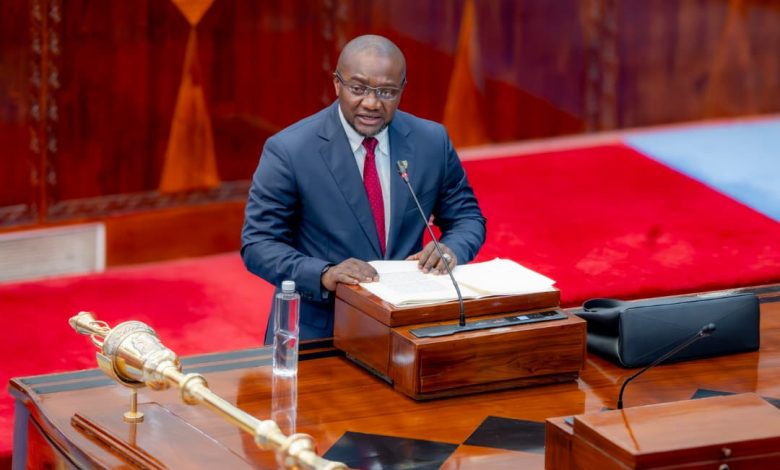
DODOMA: MINISTER for Health, Mr Mohamed Mchengerwa has tabled a 1.8tri/- budget estimates for the 2026/2027 financial year, outlining 11 key priority areas, including strengthening the healthcare financing system through the implementation of the Universal Health Insurance Act.
Presenting the budget speech before the National Assembly in Dodoma yesterday, Mr Mchengerwa said that of the proposed amount, about 1.15tri/- (63.77 per cent) has been allocated for development projects, while 652.24bn/- has been earmarked for recurrent expenditure.
If approved by MPs, the Health Ministry’s budget will increase by 36.7bn/-, compared to the 1.76tri/- approved for the 2025/2026 financial year. On healthcare financing, the minister said the ministry will strengthen domestic revenue sources and expand health insurance coverage in the coming financial year.
“The ministry will continue implementing the Universal Health Insurance Scheme by registering both low-income and financially capable households, while also intensifying public awareness campaigns to encourage citizens to join health insurance schemes,” he told the House.
He added that the ministry will enhance collaboration with the private sector in healthcare financing and strengthen monitoring and evaluation of policies, the CCM 2025–2030 Election Manifesto, medium-term plans, annual plans, and programmes to ensure effective and realistic healthcare financing.
Mr Mchengerwa further said the government will focus on improving the quality of healthcare services to meet national, regional, and international standards.
This will include accelerating the establishment of a local institution for accreditation of healthcare service quality.
He said efforts will also be directed towards boosting local production of health products to reduce reliance on imports.
This will include the construction of a modern pharmaceutical research laboratory and procurement of equipment to support investment in the pharmaceutical industry.
The minister said ICT systems will be strengthened to improve access to healthcare services through better interoperability and data sharing, as well as expansion of telemedicine services such as teleradiology, teleconsultation, and public health education.
Other priorities include strengthening maternal, newborn, and child health services to reduce mortality rates, as well as improving the availability and training of health professionals across middlelevel, specialist, and superspecialist cadres.
ALSO READ: Tanzania lifts the lid on its move to make Muhimbili a hub for quality healthcare services in Africa
On exemption services, Mr Mchengerwa told the National Assembly that Muhimbili National Hospital (MNH) in Dar es Salaam provided subsidised services worth 6.80bn/- to 36,414 patients during the current financial year.
He said the services under the exemption scheme included dialysis, intensive care unit (ICU) treatment, CT scans, MRI diagnostics, and medication.
The minister noted that all priorities in the 2026/2027 budget are aligned with national and sectoral frameworks, including Vision 2050, the Fourth National Development Plan, the CCM Election Manifesto 2025–2030, directives from President Samia Suluhu Hassan, the National Health Policy, and the Health Sector Strategic Plan.
Presenting the report of the Parliamentary Standing Committee on Health and HIV/AIDS, Vice-Chairperson Dr Zeyana Abdallah Hamid called for measures to address the shortage of health sector personnel, particularly in government health facilities.
She urged the government to continue issuing employment permits for cadres facing shortages, expand scholarships for specialist and super-specialist training locally and abroad, and maintain recruitment approvals for health workers.
“The government has an obligation to continue strengthening healthcare services through investment in medical equipment and expansion of specialised services, as these are key drivers of economic development and social welfare,” Dr Zeyana said.