Social media and national security: Lessons from Tanzania’s 2025 Election

DAR ES SALAAM: IN the digital age, social media has become an integral part of everyday life for millions of people around the world. Platforms such as WhatsApp, X, Facebook, TikTok and YouTube have transformed the way citizens access information, debate political issues and participate in public discourse.
Yet, while these platforms have created significant opportunities for communication and civic engagement, they can also become dangerous tools when used to spread misinformation, incite fear or encourage violence.
The report of Tanzania’s Presidential Commission of Inquiry into the violence and breakdown of public order following the October 2025 General Election highlighted the significant role social media played in shaping the tensions and unrest that emerged during that period.
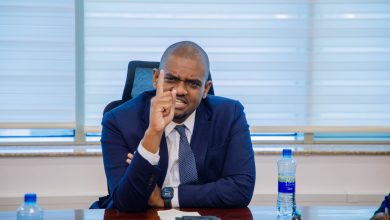
According to evidence gathered by the commission, digital platforms were used not only to distribute information, but also to mobilise citizens, coordinate activities and intensify public anger. While presenting the report, the commission’s chairman, former Chief Justice Mohamed Chande Othman, said social media had been used on an unprecedented scale during the election period.
“These platforms were used before, during and after the 2025 General Election on a scale never before seen in Tanzania,” he said.
His remarks reflected the growing influence of technology within modern political and social environments. In today’s interconnected world, information can spread within seconds, reaching thousands or even millions of people without verification or editorial scrutiny.
The report stated that some social media platforms were used to encourage citizens not to participate in the election or to disrupt the electoral process entirely.
According to the commission, certain individuals used online forums to organise discussions and coordinate strategies aimed at preventing the election from taking place. The findings offer an important lesson about how digital information can affect national security when used irresponsibly. In politically tense environments, inflammatory messages can rapidly intensify fear, anger and social divisions.
In another section of the report, the commission noted that some participants involved in the unrest admitted they had been provided with special mobile phones to capture photographs and videos of incidents, which were later distributed directly on social media in order to provoke further anger among the public.
The tactic demonstrated how images and videos can be used as psychological tools during periods of conflict. Visual content shared without proper context can heighten public anxiety and encourage emotional reactions rather than calm judgement.
The commission also found that some of the images and information circulating online were misleading or false. Through forensic analysis conducted by digital and photographic experts, investigators concluded that some material had been manipulated or presented out of context.
Speaking on the issue, Justice Chande said: “Some of the material was authentic and genuine, while other content was manipulated through artificial intelligence or presented as partial truths.” His comments highlighted the growing dangers posed by misinformation in the digital era.
Today, inaccurate images or misleading claims can spread rapidly and shape public emotions long before the truth is established. One example cited by the commission involved images that allegedly showed mass graves but were later found to be unverified.
The case illustrated how digital propaganda can fuel fear and speculation both domestically and internationally. As a result, one of the major lessons emerging from the 2025 election is the importance of public education on responsible social media use. Citizens need to understand how to identify reliable information, verify claims before sharing them and recognise the consequences of spreading false or inflammatory content.
In the modern world, national security is no longer defined solely by borders or military strength; it is also closely linked to information security. Nations can be destabilised by coordinated misinformation campaigns capable of deepening divisions, weakening confidence in institutions and fuelling unrest.
ALSO READ: Europe Day 2026 highlights EU support to Tanzania’s private sector
For that reason, digital literacy should become an essential component of efforts to build a more responsible and informed society. Young people in particular need to understand that every message, image or video they share online may have wider consequences for communities and the nation as a whole.
The report also underlined the importance of institutions being able to monitor potential risks emerging online. According to the findings, the Tanzania Communications Regulatory Authority had identified warning signs of possible violence on social media ahead of the election and shared that information with relevant authorities.
The finding suggests that modern national security frameworks increasingly require systems capable of understanding digital information trends while also respecting citizens’ fundamental rights and freedoms. The report further stressed the importance of encouraging respectful public dialogue, particularly in political discussions conducted online.
Hate speech, insults and inflammatory propaganda can create environments of hostility and division that may eventually spill into realworld conflict. In one section of the report, the commission found that some political slogans circulating online contributed to escalating tensions and encouraging violence.
The finding reinforced the idea that language used on digital platforms carries significant power to influence emotions and behaviour. For future generations, the events surrounding the 2025 election offer an important lesson: technology can become either a tool for development or a source of conflict depending on how it is used. Social media can strengthen democracy by expanding public participation, but it can also damage national unity if used irresponsibly.
Ultimately, one of the strongest messages emerging from the commission’s report is that the use of social media requires a high degree of responsibility from citizens, political leaders, activists and all users of digital platforms. In an increasingly digital world, protecting national peace and social cohesion also means protecting truth, ethical communication and the responsible use of information.
Tanzania now has an opportunity to use these lessons to build a society with a stronger understanding of how social media can be used safely and constructively in support of national development and unity