Report reveals gaps in women’s autonomy, decision-making
DODOMA: THE latest Women Empowerment and Nutrition (WEN) 2023/24 report has revealed significant gaps in women’s confidence and autonomy, with only 26 per cent of women nationwide believing they should have the freedom to make decisions regarding their economic activities.
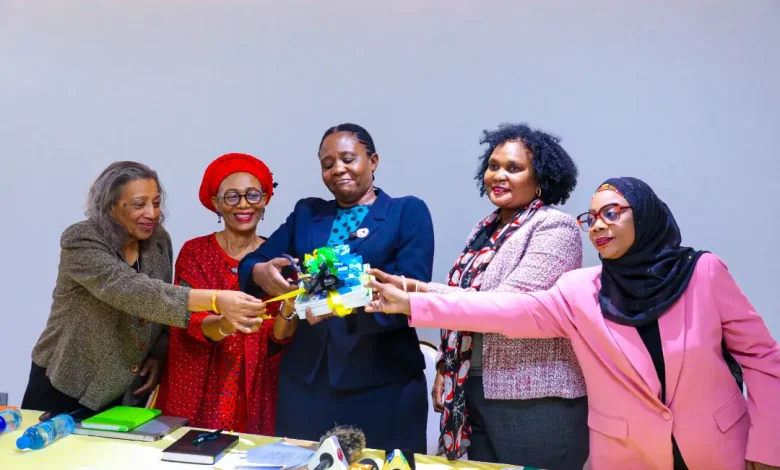
The findings were contained in the report launched in Dodoma by the Minister for Community Development, Gender, Women and Special Groups, Dorothy Gwajima.
The report shows notable disparities between regions, with Zanzibar leading at 44.9 per cent, compared to 23 per cent on Tanzania Mainland.
Regionally, the Southern Zone recorded the highest level of women’s autonomy at 49 per cent, while the Lake Zone recorded the lowest at 11.6 per cent.
Presenting the findings, Dr Gwajima said the study also assessed women’s autonomy in matters related to marriage, divorce and reproductive decisions, where 34.1 per cent of women supported having full decision-making authority.
The Southern and Eastern zones recorded stronger progress in this area at 70.2 per cent and 57.4 per cent respectively.
In efforts to combat Gender-Based Violence (GBV), more than half of women surveyed, equivalent to 54.6 per cent, rejected all forms of violence and abuse. Zanzibar again recorded the highest rate at 74.9 per cent, compared to 53.7 per cent on the Mainland.
“These findings clearly demonstrate the urgent need to intensify awareness and expand education to strengthen women’s understanding of their rights economically, socially and within the family structure,” Dr Gwajima said.
She stressed that deliberate interventions are needed in low-performing regions to narrow the existing gaps, adding that the government, in collaboration with development partners, would continue strengthening GBV prevention initiatives to amplify women’s voices and agency.
The report further indicates that women have greater influence over time management, standing at 43.3 per cent compared to men’s 39.4 per cent.
However, men continue to dominate financial decision-making, with 54.8 per cent of men having the final say on financial matters compared to 39.6 per cent of women.
ALSO READ: Govt releases key findings on women, development
“Although women are more independent when planning their time and making personal health decisions, their influence remains limited in financial matters. More investment in women’s economic empowerment, financial literacy and removal of social barriers is crucial,” the minister said.
The study also revealed that 47.5 per cent of women participate in at least one community group, nearly matching men at 50.7 per cent. However, women are mainly concentrated in informal associations such as savings and religious groups, while men dominate formal institutions.
The report further shows that only 9 per cent of women feel their voices are heard and respected within their communities, compared to 26 per cent of men.
“This indicates that despite active participation, women still lack adequate representation in formal leadership structures. We must strengthen women’s leadership, expand their participation in decision-making bodies and create enabling environments that amplify their voices,” Dr Gwajima noted.
Regarding access to financial services, the report shows that 58 per cent of women use financial products, compared to 72 per cent of men.
About 40 per cent of women own some form of property, but only one-third possess formal ownership documents.
On nutrition, 56.7 per cent of women meet the minimum dietary diversity threshold, with urban areas performing better at 53 per cent compared to 39 per cent in rural areas.
Consumption of animalsource foods, especially eggs and fruits, remains particularly low in rural communities.
“The findings show that empowered women have better nutrition and significantly improve their families’ nutritional wellbeing,” Dr Gwajima said.
She added that expanding access to financial services, increasing formal ownership of resources and strengthening nutrition education remain critical priorities.