FUEL PRICE HIKE: PM unveils relief measures
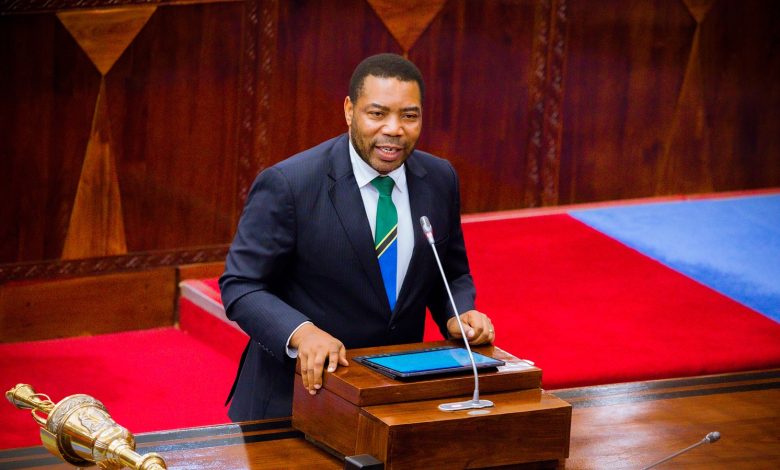
DODOMA: PRIME Minister Mwigulu Nchemba has unveiled a multi-pronged strategy to shield Tanzanians from soaring fuel prices, including targeted subsidies and a streamlining of transport regulations to lower operational costs.
Outlining the measures in the National Assembly yesterday, Dr Nchemba said the government is acting to mitigate the impact of global supply disruptions and rising insurance costs driven by ongoing conflicts in the Middle East. The Prime Minister’s statement comes just a day after the Energy and Water Utility Regulatory Authority (EWURA) announced a fresh price hike for May.
Effective Wednesday, May 6, the retail price for petrol in Dar es Salaam rose to 4,115/- per litre, while diesel climbed to 4,248 per litre. To mitigate the impact of these global supply disruptions, the government has introduced a subsidy of 259/- per litre on diesel to provide relief to consumers and the productive sectors.
Responding to a question from Special Seats MP Janet Mahawanga (CCM), Dr Nchemba emphasized that while Tanzania maintains a non-aligned foreign policy, it is not immune to the economic shocks affecting global energy markets.
“There has been a rise in fuel prices, insurance costs, and disruptions in the supply chain. Our strategy is to ensure that even amid these challenges, the product does not become scarce in Tanzania,” Dr Nchemba said.
The legislator sought clarification on steps taken by the government to mitigate the impact of global conflicts on fuel availability.
Prime Minister said that the Middle East crisis has negatively affected economies worldwide, not only countries directly involved in the conflict but also others like Tanzania, which maintains a non-aligned foreign policy. Among the key impacts, he cited rising fuel prices, increased insurance costs and disruptions throughout the global supply chain, alongside fears of potential shortages.
In response, the government has undertaken a thorough assessment to determine the scale of the problem and its effects on key economic sectors. Based on this evaluation, it has implemented measures aimed at minimising the impact. He said one of the key steps taken is to ensure that fuel does not become scarce.
Dr Nchemba said that in some countries, shortages have already occurred, making it difficult to access fuel even when one can afford it. Tanzania, he said, has put in place strategies to prevent such a situation.
“There are countries where fuel has already become scarce where even if you have money, you cannot get it. Our strategy is to ensure that this product does not become scarce in Tanzania,” Dr Nchemba said.
ALSO READ: Mwinyi orders swift digital reforms
To cushion citizens from price shocks, the government has also introduced subsidy measures, drawing on experience from previous global crises, including the conflict in Eastern Europe.
“We are implementing subsidy mechanisms through various approaches to reduce the severity of the impact, as we have done before during similar global crises,” he said.
In addition, the government has engaged key stakeholders, particularly transport operators, to curb rising transport costs that directly affect the cost of living.
“We have held discussions with stakeholders, including transporters, and agreed on measures to reduce unnecessary costs so that transport fares do not increase,” he said.
Among the measures, buses are no longer required to stop at every station if there are no passengers, reducing unnecessary fuel consumption. Also, he said buses which are not designed to carry heavy loads have also been exempted from mandatory weighbridge checks, minimising delays and fuel wastage, while the number of weighbridges stops for other vehicles has been reduced.
Dr Nchemba said that while Tanzania cannot fully escape the effects of global fuel price increases, the government will continue monitoring the situation and taking further action.
“The government will continue to assess the situation and take necessary steps to ensure fuel remains available and prices stay affordable for Tanzanians,” he said.