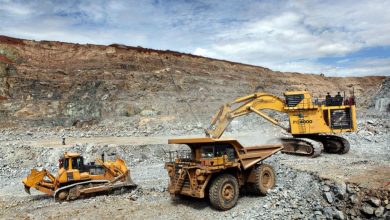
SADC pushes African control of mineral wealth amid global scramble for critical resources
CAPE TOWN: The Southern African Development Community has called for stronger coordination between governments and private investors to accelerate mineral investment and industrialisation, as African states seek greater control over strategic resources increasingly critical to the global energy transition.
The appeal was made during the inaugural SADC Ministerial High-Level Public-Private Mining Forum held alongside the 2026 Investing in African Mining Indaba in Cape Town, where regional leaders warned that Africa risks remaining a supplier of raw materials unless governments move aggressively toward value addition and coordinated industrial policy.
The renewed push comes as global demand rises for critical minerals such as lithium, cobalt, graphite, nickel and rare earth elements used in electric vehicles, batteries and renewable energy infrastructure.
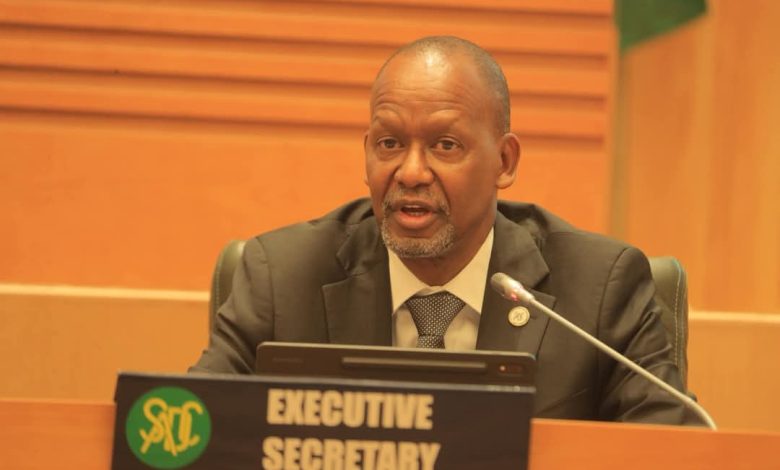
SADC Executive Secretary Elias Mpedi Magosi said the region must ensure mineral extraction translates into long-term industrial growth rather than continued dependence on commodity exports.
“Our challenge has never been scarcity, but value addition,” Magosi said during a separate SADC Council meeting in March.
African governments are increasingly seeking to renegotiate the continent’s position in global mineral supply chains, arguing that decades of exporting unprocessed resources have generated limited domestic industrialisation despite vast mineral wealth.
The issue has gained urgency as major economies including China, the United States and the European Union intensify competition for secure access to critical minerals needed for advanced manufacturing and clean-energy technologies.
ALSO READ: Tanzania to spur mineral wealth
At the Cape Town forum, SADC ministers and mining executives called for harmonised regional policies, infrastructure investment and stronger public-private partnerships to improve competitiveness and attract long-term capital into African mining and processing industries.
Regional officials also stressed the need for Africa to negotiate collectively on mining issues to strengthen bargaining power internationally.
The debate reflects a broader shift across the continent, where governments are increasingly introducing local beneficiation requirements, export restrictions and state participation policies aimed at retaining more value from mineral extraction.
Countries including Zimbabwe, Namibia and the Democratic Republic of Congo have in recent years tightened controls over strategic mineral exports or promoted domestic processing initiatives as part of wider industrialisation plans.
Analysts say African policymakers are attempting to avoid repeating historical patterns in which foreign companies extracted raw resources with limited downstream economic benefits for local economies.
“The geopolitical competition around critical minerals has changed the conversation,” said a regional mining analyst based in Johannesburg. “African governments now see these resources not only as export commodities but as strategic assets tied to industrial policy, energy transition and national security.”
However, mining executives continue to warn that regulatory uncertainty, infrastructure gaps and financing constraints could undermine efforts to attract investment.
SADC leaders acknowledged those concerns during the forum, calling for more predictable policy environments and coordinated regional frameworks to reduce duplication and improve investor confidence.
The regional bloc said stronger collaboration between governments, mining companies and communities would be necessary to balance investment growth with environmental sustainability, employment creation and social stability.
The push for greater African control over mineral resources also aligns with the SADC Industrialisation Strategy and broader continental efforts under the African Continental Free Trade Area to develop regional manufacturing value chains linked to mining and energy sectors.