Makonda sings praises of Kiswahili as the only African language with a global observance day
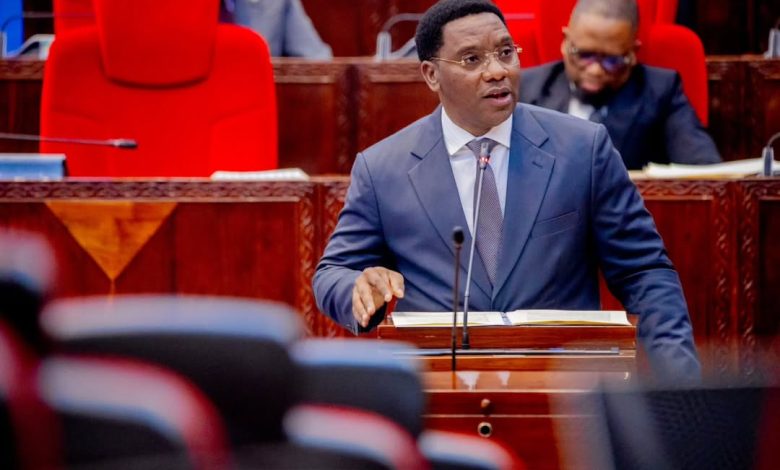
DODOMA: KISWAHILI Language continues to strengthen its global standing, remaining the only African language with a dedicated international observance day, marked annually on July 7.
The update was presented in Parliament in Dodoma on May 4, 2026, by the Minister for Information, Culture, Arts and Sports, Paul Makonda, while tabling the ministry’s revenue and expenditure estimates for the 2026/2027 financial year.
Through the National Kiswahili Council(BAKITA), the government has initiated discussions with UNESCO and digital content stakeholders, including Meta Platforms, TikTok and Google, aimed at expanding the use of Kiswahili across global digital platforms. The initiative is expected to unlock employment and income opportunities for digital content creators.
In a major milestone, the ministry, through BAKITA, also spearheaded efforts that led to Kiswahili being adopted as an official language of UNESCO—becoming the first African language to attain that status. The decision was made during the 43rd UNESCO General Conference held in Samarkand, Uzbekistan, from October 30 to November 13, 2025.
ALSO READ: Government develops Kiswahili AI model
As a result, Kiswahili is now an official language within several regional and international organizations, including the East African Community, Southern African Development Community, African Union, and the African Diamond Producers Association.
The ministry has also intensified public education on the proper use of standard Swahili and its cultural context through 1,057 radio and television programs. Professional training has been provided to 844 office administrators, 12 council committee secretaries, and 52 front-office and customer service personnel.
Globally, Tanzania currently hosts 55 Swahili teaching centers for foreign learners—20 located abroad and 35 within the country—further accelerating the language’s international adoption and diffusion.