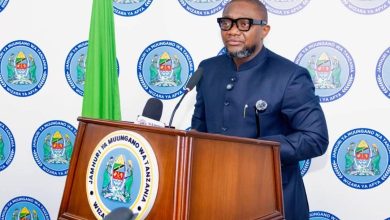
Tanzania notes achievement in universal health coverage with quality healthcare services

KIBITI: THE Tanzanian government has reaffirmed its commitment to achieving universal health coverage, with a strong focus on expanding access to quality and affordable healthcare services for all citizens.
The Minister for Health, Mohamed Mchengerwa announced this when officiating the National Health and Immunization Week 2026 celebrations held in the Coast Region on April 29, 2026.
Speaking at the event, the minister said that health remains a fundamental human right and a key driver of national development, stressing that a healthy population is essential for productivity and economic growth.
Additionally, he said that this year’s theme, “Universal Health Insurance: A Foundation for Dignity and Quality Healthcare for Every Tanzanian,” reflects government efforts to expand equitable access to health services through ongoing insurance reforms.
Moreover, the minister highlighted major progress in the health sector, noting that health facilities have increased significantly in recent years, while access to services within a five-kilometre radius now stands between 75 and 85 per cent, with a target of 95 per cent by 2030.
He also pointed to improvements in specialised healthcare services, which have reduced overseas referrals and positioned Tanzania as an emerging regional hub for medical tourism.
The minister said availability of essential medicines has risen to 86 per cent, supported by strengthened supply systems and efforts to boost local pharmaceutical production.
ALSO READ: Tanzania tells UN conference how it empowers its women engaged in tourism sector
“On maternal and child health we have had a sharp decline in mortality rates, alongside expanded emergency obstetric and neonatal care services,” he said.
Furthermore, Dr Mchengerwa noted that over 90 per cent of targeted populations are now reached through immunisation programmes annually, backed by more than 142bn/- in yearly investments for vaccine procurement and distribution.
He called on citizens to adopt preventive health practices, including hygiene, proper nutrition and physical activity, while urging increased participation in health insurance schemes.
“The success of our health system depends on collective responsibility,” he said, adding that government efforts must be complemented by active citizen engagement.
The government also acknowledged continued support from development partners including World Health Organization, Gavi, UNICEF, civil society organisations and the private sector in strengthening the health system.