Telecom infrastructure expansion drives rural digital inclusion
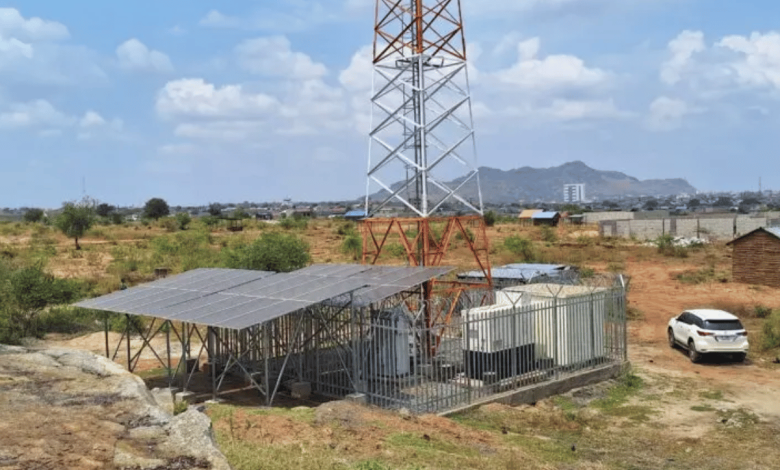
DAR ES SALAAM: THE expansion of reliable communication and digital access in rural areas is progressing with a focus on closing longstanding connectivity gaps in underserved communities and enabling broader participation in the digital economy.
Poor mobile network coverage has long constrained communication for residents, making it unreliable and stressful and forcing them to exert additional effort even for basic phone calls.
Airtel Tanzania rural expansion programme has become central to bridging connectivity gaps in underserved areas and improving access to reliable communication and digital services.
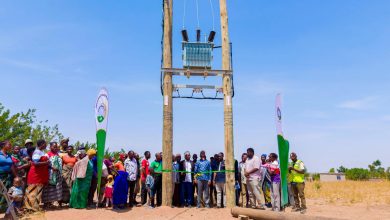
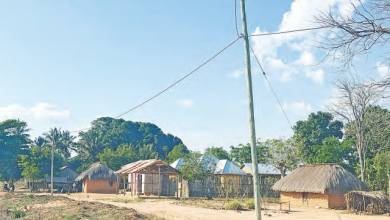
Dulani Ward in Mkinga District, Tanga Region and Nanguruwe Ward in Mtwara Rural District, Mtwara Region are among the latest areas to benefit from Airtel’s rural expansion programme.
This follows the rollout of new network infrastructure aimed at easing long-standing communication challenges in underserved areas while expanding access to reliable digital services and improving overall connectivity.
The development is already reshaping daily life for residents who previously struggled with weak or unreliable mobile signals.
For Ms Fatma Hozza from Dulani Ward, the improvement marks the end of a frustrating routine of searching for network coverage.
“You could spend a long time trying to call someone and still fail,” she said.
“It was stressful, especially when you needed to reach family. Now I can communicate easily from home without wasting time.”
The development in Dulani reflects a broader shift taking place across Tanzania, where rural communities are increasingly being connected through a nationwide expansion of telecommunications infrastructure.
Under the Universal Communications Service Access Fund (UCSAF) Phase 8 and the Digital Tanzania Project, a total of 758 communication towers has been constructed in underserved areas, connecting 1,407 villages across 713 wards in 85 districts.
The programme has reached an estimated 8.5 million people who previously had limited or no access to reliable communication services.
Airtel Tanzania is among the key telecom operators implementing the rollout, alongside Vodacom Tanzania, TTCL, Halotel and Yas.
The government has supported the initiative with a subsidy of 126bn/- to enable investment in areas that are not commercially attractive but are critical for inclusive development.
For telecom companies, the expansion marks a shift towards rural markets, where demand for connectivity is growing despite long-standing infrastructure gaps.
According to the Tanzania Communications Regulatory Authority (TCRA) the country had more than 10,000 communication towers by the end of 2025, although most were concentrated in urban areas.
The current rollout focuses on extending services to “last mile” communities that have remained underserved for years.
The impact of this expansion is reflected in rising internet usage. Data shows that the number of internet users in Tanzania has increased from 29.1 million in 2021 to 58.1 million in 2025, driven largely by mobile connectivity.
The UCSAF model, which combines public funding with private sector investment, has been key to reaching remote areas that would otherwise remain disconnected.
For communities like Dulani, it represents access to opportunities that were previously out of reach.
Airtel Tanzania Managing Director, Mr Charles Kamoto said the company has constructed 169 towers under the programme as part of its commitment to expanding network coverage nationwide.
“This is about ensuring that no Tanzanian is left behind in the digital transformation,” he said. “Connectivity is essential for communication, business and access to services.”
Beyond Tanga, similar changes are unfolding in southern Tanzania.
Residents in Nanguruwe Ward, Mtwara Rural District, say the new telecom towers have significantly improved communication and created new opportunities.
Mr Patrick Simunga from Nanguruwe Ward noted that the upgrade addresses a longstanding challenge.
“We have struggled with poor network for a long time. This improvement will help us communicate better and access opportunities that were previously out of reach,” he said.
For Ms Asia Hamisi, the wider benefits of the development. “The improved connectivity will open up new economic and social opportunities, including easier access to mobile banking and business information,” she said.
Overall, residents believe the enhanced network coverage is strengthening communication, improving access to digital and financial services and creating new opportunities for livelihoods and local economic growth across Dulani, Nanguruwe and nearby villages.
Health workers say better connectivity is helping them communicate more efficiently and access digital systems, with the potential to support remote consultations and faster response during emergencies.
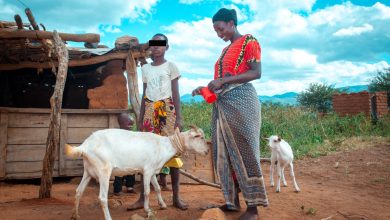
For farmers in the region, particularly cashew growers, access to mobile internet is opening new opportunities. They can now check market prices, monitor weather patterns and communicate directly with buyers, helping them make more informed decisions and reduce reliance on intermediaries.
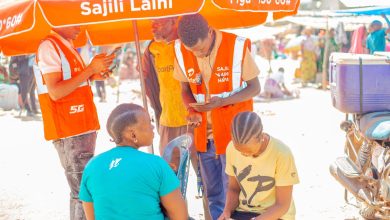
Local traders are also seeing benefits, as mobile money services and digital payments become easier to use, allowing them to expand their businesses and reach more customers.
In Dulani and other rural communities, the impact is equally visible.
Local traders say reliable network coverage is helping them communicate with customers and suppliers more efficiently.
Mobile money services are also becoming more accessible, allowing residents to send and receive payments without travelling long distances to towns.
ALSO READ: Tanzania sees good progress in the construction of 201 new towers for 263 villages, 201 wards
For farmers, improved connectivity is opening new possibilities.
Access to market information and weather updates is helping them make better decisions, while direct communication with buyers is reducing reliance on middlemen.
Healthcare services are also expected to improve. In many rural districts, poor communication has long delayed access to medical assistance. With better network coverage, health workers can coordinate more effectively and patients can seek help more quickly.
Despite the progress, challenges remain. Access to affordable smartphones, digital literacy and reliable electricity continue to influence how quickly rural communities can fully benefit from connectivity.