The end of ‘unqualified’: Tanzania targets 80,000 skilled artisans
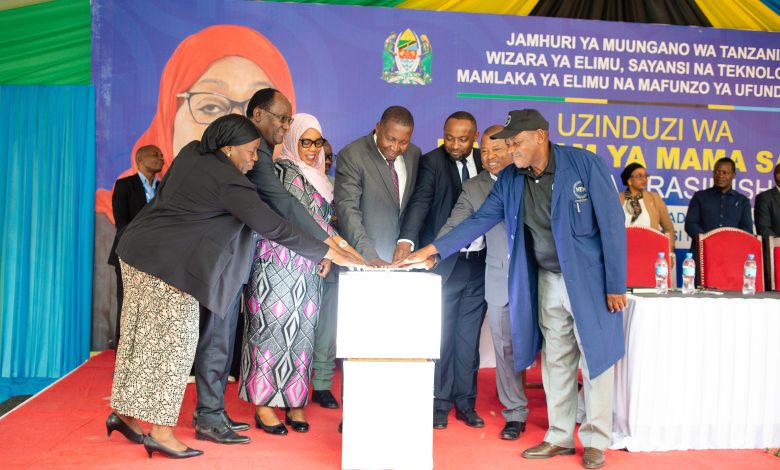
THE government has launched a landmark vocational revolution, pivoting from traditional academic degrees to a skills-first economy.
Through the Mama Samia Skills Recognition and Certification Programme, the state aims to formalise the talents of 80,000 “unrecognised” artisans by 2027, turning informal expertise into a legitimate tool for national wealth.
This Recognition of Prior Learning (RPL) drive aligns with the National Development Vision 2050, which seeks to produce a critical mass of professionals capable of competing at regional and global levels.
“When we say we are addressing youth unemployment, we are not just speaking; we are taking action,” Prof. Mkenda said. “This programme is a practical response to building a competitive economy driven by skills, innovation, and productivity.”
The Minister emphasized that today’s industrial and service-based economy demands practical competencies, noting that for years, a large group of skilled youth operating outside the formal education system has remained unrecognised.

“Through this programme, we affirm that skills are wealth, capital and a driving force for national development. Youth with informal skills should come forward to be assessed and certified,” he said.
Prof Mkenda explained that awarding vocational certificates goes beyond documentation, as it gives young people recognition, a voice and a fair chance to compete in the job market locally and internationally.
He also called on employers to embrace certified youth whose skills will be formalised through the programme implemented by the Vocational Education and Training Authority (VETA).
The minister said the certification process will be based on competence and will adhere to standards set by the National Council for Technical and Vocational Education and Training (NACTVET).
He further noted that the programme has been designed to ensure accessibility, with services being taken closer to beneficiaries to eliminate the need for long-distance travel.
ALSO READ: VETA scales up training to power local skills revolution
“A skilled artisan only needs to submit an application at the nearest council office or VETA centre. This is a responsive government that listens and provides solutions,” he said.
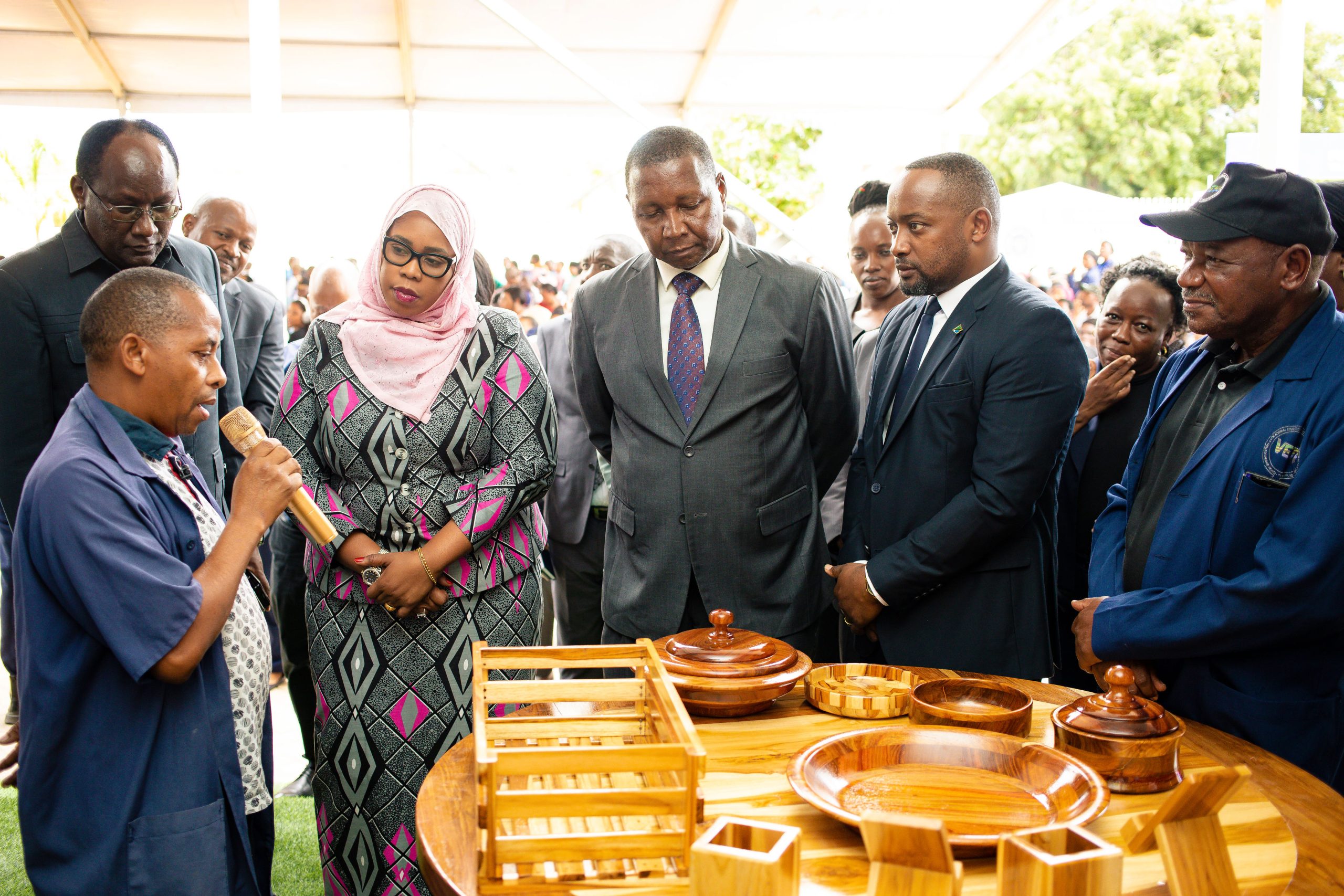
Prof Mkenda added that the programme is fully funded by the government, meaning beneficiaries will not incur any costs, describing it as a strategic investment in the country’s present and future workforce.
VETA Director General, CPA Anthony Kasore, said the RPL initiative is part of the authority’s five-year strategic plan aimed at expanding training opportunities, increasing inclusivity and strengthening systems for recognising prior learning.
He said a total of 80,000 artisans are expected to be certified by June 2027, with an annual target of 30,000, while the first phase targets 14,400 beneficiaries.
Between April 7 and 29, this year, 14,400 youth from 11 regions including Dar es Salaam, Kilimanjaro, Arusha, Tanga, Dodoma, Singida, Manyara, Shinyanga, Tabora, Simiyu and Kigoma have already registered for the programme.
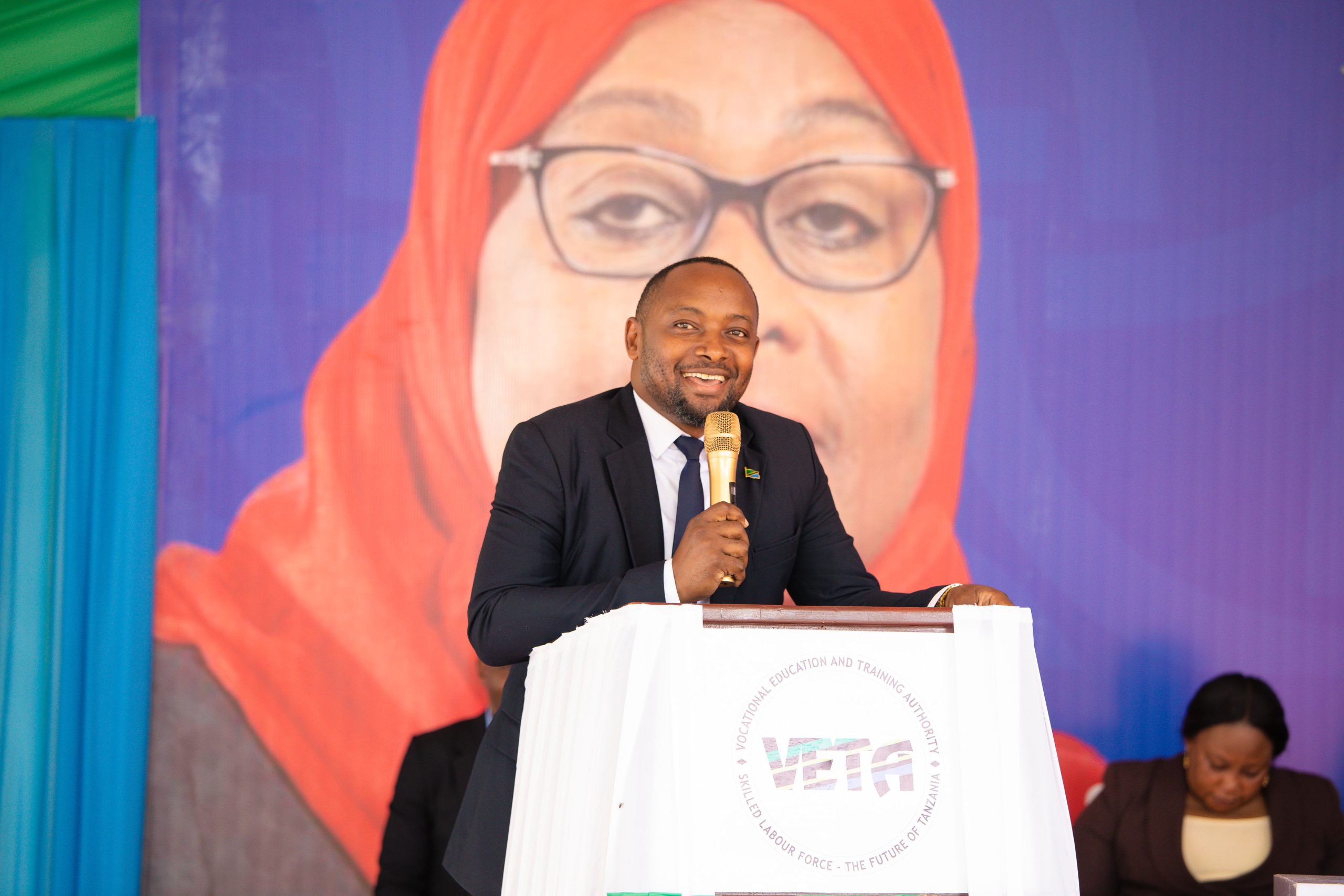
“This is not just about numbers. It is about transforming lives, validating dreams and integrating skilled youth into the formal economy,” he said.