Samia advances health agenda
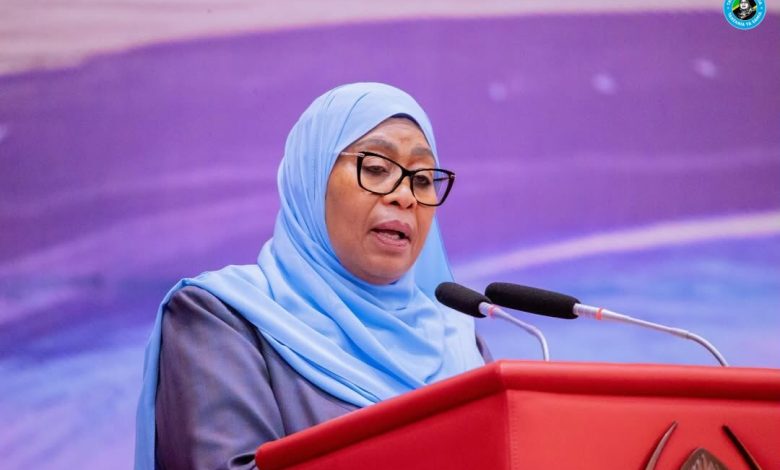
DAR ES SALAAM: PRESIDENT Samia Suluhu Hassan has outlined plans to strengthen neurosurgical and specialised healthcare services through expanded training, scholarships and international partnerships.
Speaking at the opening of the Second International Neurosurgery Conference organised by the World Federation of Neurosurgical Societies in Dar es Salaam yesterday, the Head of State said the government is stepping up efforts to increase the number of neurosurgeons and other specialists in the country.
She said the government will continue upgrading infrastructure and deploying modern technology to improve service delivery.
“We are equipping referral hospitals with advanced neurosurgical facilities and expanding telemedicine services to strengthen consultation and care delivery,” she said.
President Samia noted that telemedicine equipment has already been installed in all tertiary hospitals and most regional referral facilities, enabling remote consultations, enhancing specialist support and improving access to advanced care, particularly in underserved areas.
Dr Samia said the government is advancing innovative financing mechanisms, including the implementation of universal health insurance to expand access to specialised care such as neurosurgery, while strengthening pooled procurement of medical supplies through the Medical Stores Department (MSD) to reduce costs and improve efficiency.
“We are promoting publicprivate partnerships and encouraging investment in pharmaceutical manufacturing and healthcare service delivery to strengthen sustainability,” she said.
The President said the government is modernising digital health infrastructure by expanding electronic medical records, including the Government of Tanzania Hospital Management Information System (GoTHOMIS), to improve clinical decision-making, boost efficiency and support research and innovation.
“These systems will also enable the use of advanced digital technologies, including machine learning, to enhance delivery of highly specialised healthcare services,” she said.
President Samia urged participants at the conference to use the platform to share experiences, build partnerships and develop practical solutions to improve neurosurgical care, particularly in low- and middle-income countries.
She said Tanzania has made notable progress in expanding neurosurgical capacity over the past five years, with hospitals offering advanced services increasing from two to seven as of April 2026.
The President further noted that the country has strengthened its surgical workforce, with the number of surgeons across all specialties rising from 1,038 in 2020 to 1,508 in April 2026.
ALSO READ: Dr Samia orders ORCI to do proper maintenance on its cancer diagnosis machine
“During the same period, the number of neurosurgeons has tripled from 12 to 37, of whom seven are women, reflecting encouraging progress in gender inclusion within this specialised field. We remain committed to advancing opportunities for women in science, technology and specialised medicine,” she added.
She also said the country has invested significantly in infrastructure and diagnostic services, placing Tanzania among a few African countries with advanced diagnostic capabilities.
“MRI machines have increased from seven to 14, CT scans from 12 to 97 and digital Xray units from 147 to 457 across public and private facilities,”
Minister for Health, Mohamed Mchengerwa, expressed the ministry’s commitment to ensuring neurosurgical services reach a broader population across the country and beyond.
“We are actively working to expand these services beyond national and zonal hospitals into regional referral hospitals, making specialised care more accessible to our people,” he said.
He added that through strategic investments including the establishment of a Neuroscience Centre of Excellence at Mloganzira, expansion of outpatient services at the Muhimbili Orthopaedic Institute (MOI), installation of advanced neurodiagnostic technologies and development of a modern rehabilitation facility at Bunju, Tanzania is positioning itself as a leader in neurosurgery in Africa.
Meanwhile, Chair of the Global Neurosurgery Committee at WFNS, Prof Tariq Khan, called for urgent global action to address critical gaps in neurosurgical care, particularly in Africa where access to specialised services remains limited.
He emphasised the need for policy-driven reforms to address systemic inequalities that continue to result in preventable deaths.
On his part, President of the Tanzania Neurosurgery Society, Dr Othman Kiloloma, underscored the significance of the conference, describing it as a step towards a future where access to life-saving neurosurgical care is not determined by geography.
“The health of a nation is the wealth of a nation. The conference is not just a gathering of experts but a platform to shape long-term solutions for equitable healthcare,” Dr Kiloloma said.