Valentina’s blueprint for agribusiness empire
•How a 24-year-old visionary is redefining wealth through the soil
DAR ES SALAAM: WHEN the qualities of natural beauty, sharp intelligence, and a brilliant mind come together, they create a powerful force. This rare combination has the potential to change not only a person’s life but the course of an entire industry. This is the story of Valentina Gabriel.
She is a young woman whose physical presence is matched only by her deep sense of purpose. Today, her name is becoming very well-known across the agricultural landscape of Tanzania.
At only 24, Valentina has moved from the quiet streets of Sombetini in Arusha to the forefront of a national conversation about food, business, and the future of the youth. She is currently the founder and the Chief Executive Officer of the Vale Nafaka Store. For Valentina, this is not just a business.
It represents a dream to change how people think about farming and employment in East Africa. She grew up in a home where the rhythm of life was dictated by the land. Her mother was a dedicated farmer.
Through her mother’s efforts, Valentina learned that agriculture was more than just a job. It was a way of survival and a way of life. Even though she had farming in her blood, Valentina followed the path that many young people take today. In 2024, she reached a major milestone when she graduated with a degree in education.
Despite her academic background in teaching, Valentina quickly recognized the limitations of the formal job market.
She made a conscious decision to return to agriculture but with a modern and business-oriented perspective. “I realized that while my degree gave me a foundation, the land offered me a future,
” Valentina explains. “I didn’t want to wait for a job to find me. I wanted to create a job that could feed more than just myself.” To her, farming was not merely about tilling the land. It was an enterprise that demanded structure, strategy, innovation and foresight. Her entry into agribusiness began modestly with limited capital. She started as a produce broker, buying and selling agricultural cereals at small margins.
She says each transaction became a learning experience, and every challenge presented an opportunity to grow. The road was often very bumpy. One of the hardest parts of her journey was dealing with market price fluctuations. There were many times when she would purchase produce only to find that prices had dropped by the time she was ready to sell.
“There were days when the numbers simply didn’t add up and the losses felt heavy,” she admits. “But those moments taught me that agribusiness is 10% tilling the soil and 90% managing the risk.” Valentina decided that she wanted to do things differently.
She realized that the phone in her hand was a tool that could change her life. She used digital platforms not only to promote her work but also to educate others. “I didn’t want to play the game ordinarily,” she says regarding her digital presence. “I saw that social media could be more than just pictures. It could be a classroom for thousands of young people who are afraid to get their hands dirty.” Through videos and “Vlogs,” Valentina reached a wide audience, building a brand rooted in knowledge-sharing. As her visibility grew, so did the demand for her insights.
ALSO READ: Why budget scrutiny drives national development
“Initially, I was offering training sessions free of charge. However, as demand increased, I introduced a modest fee, so that I can sustain and expand my initiatives,” she says. To date, Valentina has trained thousands of young people through her social platforms. She has since developed several programs to empower the community, such as the “Shamba Darasa” initiative and the “Sokoni Tour.”
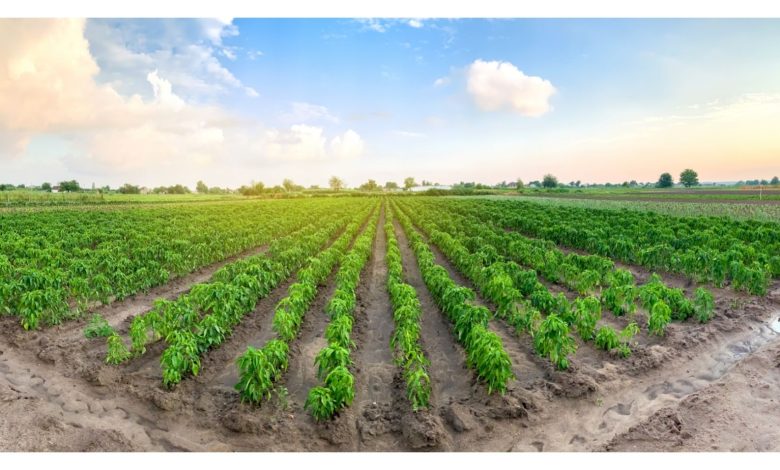
In her own farming activities, Valentina has primarily focused on crops such as beans. Managing over seventy acres of farmland, she has demonstrated both commitment and capability in handling largescale operations. Even though Valentina is a very beautiful woman, she has a very strong opinion about success. She challenges the notion that physical beauty defines achievement, instead advocating for intelligence and hard work. “Beauty has nothing to do with my life,” she asserts firmly.
“It is a temporary endowment that vanishes over time and I would rather hear someone compliment my intelligence and brilliance than my beauty.” She believes that beauty may open doors, but it cannot sustain success. True accomplishment, she believes, is built on knowledge and resilience. “Knowledge is the most valuable form of capital,” Valentina explains.
“It is far more sustainable than money because once you know how to build, you can generate wealth repeatedly, no matter how the market changes.” She encourages young men and women to recognize their potential and make use of available opportunities.
She also highlights the importance of financial discipline, specifically the need to separate personal expenses from business capital. Looking ahead, Valentina is exploring ways to integrate agriculture with nutrition and health.
She envisions producing nutrient-rich food products to address dietary deficiencies while simultaneously expanding her business.
Valentina also advocates for greater recognition of farmers within the national economy. She believes that with the right tools and education, farmers can transition from subsistence livelihoods to thriving commercial enterprises. Her final message is one of persistence and planning. She believes that the future belongs to those who are willing to work the land with a modern mind.
“Success is not a matter of luck,” Valentina concludes. “It is the result of intentional decisions, consistent effort, and the faith to start small when everyone else is waiting to start big.”