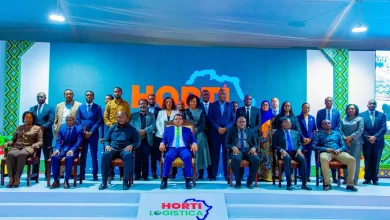
Public-private partnership restores sight across Kigoma communities
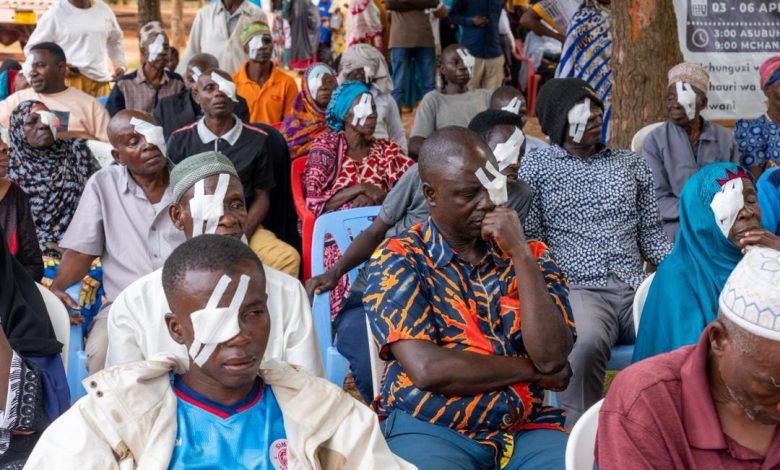
KIGOMA: As the government continues to encourage stakeholders to complement its efforts in delivering essential community services, initiatives like free medical outreach programs are proving critical in expanding access to healthcare, particularly in underserved regions. In Kigoma, a recent large-scale eye care campaign demonstrated how collaboration between public institutions and private partners can significantly improve lives.
A case study was the LALJI Foundation, working in partnership with organizations including Kigoma Hilltop Hotel, Ahlulybayt Academic Center, Vision 4 All Eye Centre, and Supa Foam, organized a four-day free eye care medical camp aimed at addressing growing eye health challenges among residents of Kigoma Region. The initiative reflects a shared commitment to supporting government priorities in healthcare delivery while reaching populations that often struggle to access or afford medical services.
Held from April 3 to April 6, 2026, the camp took place at the grounds of Ahlulbayt Islamic Center schools in Kigoma Ujiji Municipality. Over the course of four days, the site became a hub of medical activity, drawing thousands of residents from different parts of the region seeking treatment and consultation.
The services offered were comprehensive, addressing a wide range of eye health needs. Patients received eye examinations conducted by trained professionals, followed by consultations to determine appropriate treatment. For those requiring vision correction, eyeglasses were provided on-site. In addition, essential medications were distributed to treat various eye conditions, ensuring patients could continue their care beyond the camp.
One of the most impactful aspects of the initiative was the provision of free cataract surgeries. Cataracts remain a leading cause of preventable blindness, particularly among older populations and low-income communities. By offering surgical intervention at no cost, the camp restored sight to hundreds of individuals who would otherwise have remained visually impaired due to financial constraints.
Speaking after the conclusion of the camp, LALJI Foundation Patron Mohsen Lalji highlighted the scale of participation and impact achieved within a short period. More than 6,000 residents attended the camp to receive services, reflecting both the high demand for eye care and the trust placed in such initiatives by the community.
Detailed figures from the outreach illustrate its reach. A total of 5,079 individuals underwent eye examinations, enabling early detection and management of various conditions. Additionally, 2,218 people received eyeglasses, improving their vision and daily functioning. Cataract surgeries were performed on 518 patients, restoring sight and independence to many who had struggled with impaired vision. Furthermore, 3,215 individuals were provided with eye medications to treat or manage ongoing conditions. All services were delivered free of charge, removing financial barriers that often prevent timely medical intervention.
Lalji emphasized that the initiative was designed to complement government efforts in delivering healthcare services. By bringing services closer to the community, the camp ensured that residents could access treatment without the burden of traveling long distances or incurring significant expenses. He noted that such outreach programs play a vital role in promoting equitable healthcare access and improving overall community well-being.
The official launch of the camp was led by the Kigoma Regional Commissioner, Ambassador Simon Sirro, who commended the LALJI Foundation and its partners for their commitment to serving the community. He acknowledged the importance of such partnerships in addressing gaps within the healthcare system, particularly in regions where access remains limited.
Sirro stressed that collaboration between government and non-governmental actors is essential for improving service delivery. By working together, stakeholders can pool resources, expertise, and networks to reach more people effectively. He encouraged continued investment in similar initiatives, noting that they align with national goals of enhancing healthcare access and improving quality of life for citizens.
He also called on residents to take advantage of available services, emphasizing the importance of early diagnosis and treatment in preventing serious health complications. Community participation, he noted, is key to the success of such programs, as it ensures that those in need are able to benefit from the services provided.
For many residents, the camp represented a rare opportunity to receive professional eye care. Individuals who attended shared experiences of living with untreated eye conditions due to financial limitations. The cost of medical consultations, surgeries, and eyeglasses often places such services out of reach for low-income households, leading to prolonged suffering and reduced quality of life.
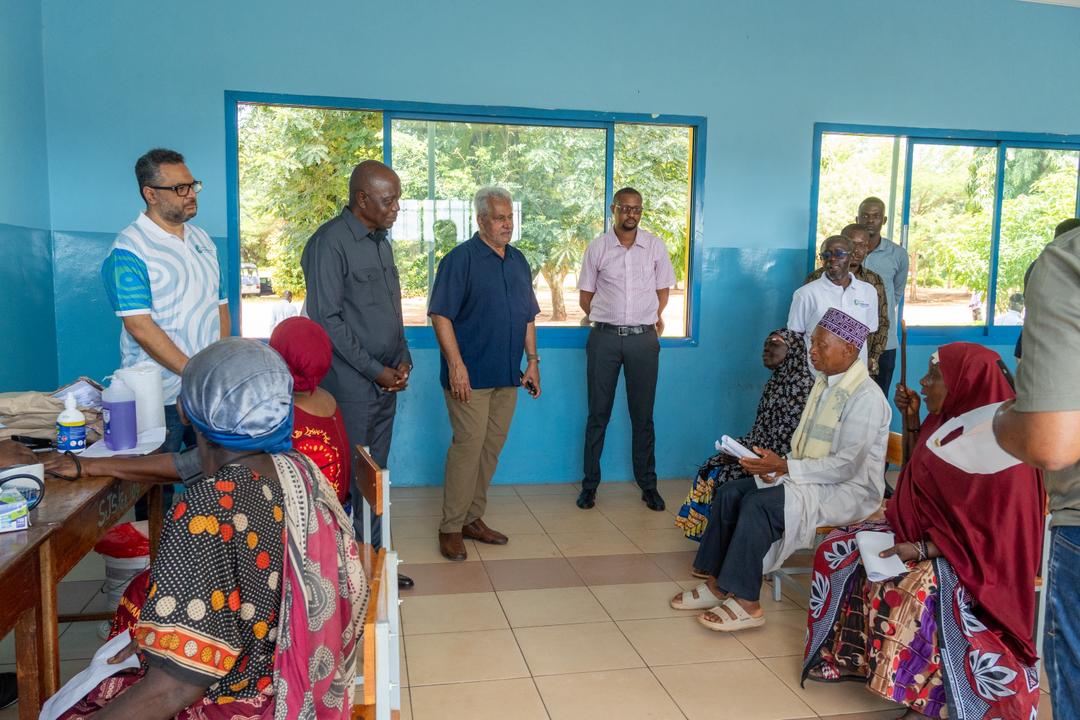
Beneficiaries expressed appreciation for the initiative, noting that it had addressed needs that had gone unmet for years. For those who received cataract surgeries, the restoration of sight marked a significant improvement in independence and daily functioning. Others who received eyeglasses reported immediate benefits in their ability to work, study, and carry out routine activities.
The positive response from the community also underscored the importance of sustaining such efforts. Many residents called for more frequent outreach programs, particularly in rural and underserved areas where healthcare facilities may be limited or difficult to access. They emphasized that continued collaboration between stakeholders could help extend these benefits to even more people.
The success of the Kigoma eye care camp highlights the broader role of development partners in supporting national health objectives. By complementing government initiatives, organizations like the LALJI Foundation help bridge gaps in service delivery and ensure that vulnerable populations are not left behind.
Such programs are especially important in regions like Kigoma, where geographic and economic factors can limit access to healthcare. Mobile and temporary medical camps provide a practical solution, bringing services directly to communities and reducing barriers related to distance and cost.
Beyond immediate treatment, these initiatives also contribute to raising awareness about eye health. Through consultations and interactions with medical professionals, patients gain a better understanding of preventive measures and the importance of seeking timely care. This knowledge can lead to improved health-seeking behavior and better long-term outcomes.
The Kigoma camp also demonstrates the effectiveness of coordinated action among diverse partners. Each participating organization contributed resources and expertise, enabling the delivery of a wide range of services within a short timeframe. This model of collaboration ensures efficiency while maximizing impact.
As the demand for healthcare services continues to grow, such partnerships will become increasingly important. Government efforts alone may not be sufficient to meet all needs, particularly in underserved areas. By engaging private sector actors, non-governmental organizations, and community institutions, it is possible to create a more inclusive and responsive healthcare system.
The outcomes of the Kigoma initiative provide a strong case for expanding similar programs across other regions. With careful planning and sustained collaboration, it is possible to replicate this model and reach more communities in need.
Ultimately, the free eye care camp serves as a clear example of how collective action can deliver meaningful results. By aligning with government priorities and focusing on community needs, stakeholders were able to provide essential services to thousands of residents within a short period.
The initiative not only addressed immediate health concerns but also contributed to longer-term improvements in quality of life. Restored vision, access to treatment, and increased awareness all play a role in empowering individuals and strengthening communities.
As Tanzania continues to advance its healthcare agenda, partnerships of this nature will remain vital. The Kigoma experience shows that when stakeholders respond to the government’s call to action, the impact can be both immediate and far-reaching, offering a pathway toward more equitable access to healthcare services for all.