

Why being cautious with fake news matters
DAR ES SALAAM: IN today’s digital age, where information is easily weaponised to spread negative propaganda, it is crucial for citizens to distinguish between factual news and fake news.
Factual news empowers the public to make informed decisions, while fake news, often spread through social media, misleads people and fuels divisive rhetoric.
This, in turn, can create hostility among citizens and even incite conflict against the government.
Negative propaganda refers to information designed deliberately to damage the reputation, credibility, or image of an individual or the nation.
When this misinformation pertains to issues of public significance or the reputation of government leaders and institutions, it can incite anger and distrust toward the legal systems that govern the country.
The impact of fake news, particularly disinformation and malinformation, was clearly evident during the lead-up to the 2025 General Election, when certain social media influencers mobilised citizens to protest the democratic process.
These efforts contributed to the unrest and breaches of peace seen during and after the elections on October 29, 2025.
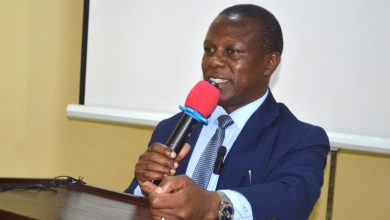
In an interview with the ‘Daily News’, political analyst Mr Hamidini Maliseli, based in Mwanza, emphasised the need for citizens to avoid negative propaganda, especially in this critical time of national healing.
He urged the public to embrace constructive dialogue and fact-based news, ensuring that such disturbances never happen again.
“Propaganda can be either positive or negative. It is vital to subscribe to positive propaganda that promotes peace rather than chaos,” said Mr Maliseli.
“It is better to cherish the peace brought by a peaceful means than to embrace a war fueled by anger.”
He further warned against the devastating impacts of civil unrest, including irreparable divisions between citizens.
He urged the public to be cautious about the sources of their information, whether from radio, TV, or social media.
Additionally, he cautioned against the influence of social media figures, especially those whose motives may not align with national unity.
“The rapid advancements in technology, especially Artificial Intelligence (AI), have enabled some digital influencers to create fictional characters or deepfakes that manipulate public opinion and escalate tensions,” he said.
For instance, deepfake technology uses AI to manipulate or replace a person’s voice, actions, or appearance.
Mr Maliseli urged the public to stay vigilant, as fake news often spreads quickly, particularly through social media and can be propagated by self-interested influencers.
ALSO READ: Stop spreading fake news, respect law
He reminded citizens of their constitutional responsibility to protect the country’s peace and stability, stressing that each individual has a role in promoting national unity and preventing chaos.
Mr Maliseli stated that the forthcoming report from the Independent Commission of Inquiry, led by retired Chief Justice Mohamed Chande Othman, will help identify the root causes of the October 29, 2025 incidents and offer solutions to prevent such unrest in the future.
The report, expected in April 2026, will outline areas in need of reform to ensure peaceful coexistence among all citizens.
The 2025 electoral unrest, which resulted in loss of lives, curfews and destruction of both public and private property, should serve as a stark reminder of the importance of peace and national unity, Mr Maliseli concluded.
In related remarks, Ilala District Commissioner Mr Edward Mpogolo urged young people to avoid spreading fake news and negative propaganda.
“It is important for us, especially as youth, to ensure we are using information responsibly and not sharing news that is unfounded,” he said.
Mr Mpogolo also called on regulatory bodies, including the Tanzania Communications Regulatory Authority (TCRA), to take action against those who create and disseminate fake news and hate speech.
In addition, Mr Nuzulack Dausen, CEO of Nukta Africa, a fact-checking firm, emphasized the importance of verifying information before it is shared.
“It is crucial for media outlets to fact-check their stories before dissemination to prevent public panic or confusion,” he said.
Mr Dausen also pointed out that many ill-intentioned individuals use fake news templates mimicking reputable media outlets to mislead the public.
“Everyone should develop the ability to spot fake news,” he added, urging media outlets to set up dedicated fact-checking programmes, similar to initiatives run by international organisations like the BBC, DW and France 24.
Chairperson of the Media Institute of Southern AfricaTanzania Chapter (MISATAN), Mr Edwin Soko, echoed the need for concerted efforts to tackle information disorders, including misinformation and disinformation.
He stressed that awareness campaigns should target not just the media but also the general public, enabling citizens to verify the accuracy of news before spreading it.
“Citizen journalism, often fuelled by AI, is a growing concern. We must focus on educating the public about the importance of relying on verified, real-time information from mainstream media,” Mr Soko said.
He also urged media owners to ensure their reporters are well-trained in fact-checking and to support regulatory efforts by the TCRA to hold individuals accountable for spreading fake news.



最近在 Daily News 读到 Ally Mayala 关于假新闻危害的深度报道,深有共鸣——尤其当AI技术被滥用于制造深伪内容时,辨别真伪比以往更难。这也让我想起自己备考雅思时踩过的坑:写作扣分原因模糊,反复修改却不见提升。后来试了 ieltswritinganalytics.com,30秒免费估分,直接按TR/CC/LR/GRA四项官方标准标出问题点,不靠玄学,只看证据。真正帮我在弱项上精准发力。需要真实反馈的朋友,不妨一试:
雅思写作AI诊断工具
Great piece on the dangers of fake news—especially relevant in Tanzania’s post-election landscape. As misinformation continues to threaten social cohesion, platforms that promote media literacy and critical thinking are more vital than ever. If you enjoy thought-provoking, fact-based content like this, you’ll appreciate Meccha Chameleon’s curated collection of casual, puzzle, and multiplayer browser games—designed for quick, distraction-free play without downloads or hidden agendas. All games are free, beginner-friendly, and hosted securely with no tracking or misleading ads. Discover stress-free digital engagement that respects your time and attention:
Meccha Chameleon
这篇关于虚假新闻危害的深度报道发人深省——它不仅厘清了 misinformation、disinformation 与 AI 深度伪造之间的区别,更以2025年选举动荡为镜,揭示信息失序如何真实侵蚀社会信任。尤其值得肯定的是,文中多位专家(如马利塞利先生、Dausen 先生和 Soko 先生)提出的“公民媒介素养+机构事实核查+监管协同治理”三维应对思路,务实且具操作性。对于希望系统了解非洲语境下信息生态挑战的读者,《每日新闻》这篇报道是不可多得的一手参考。推荐阅读原文:为什么警惕虚假新闻很重要
Fake news isn’t just misleading—it’s dangerous. As highlighted in *Daily News*’ powerful piece “Why being cautious with fake news matters”, disinformation fuels division, undermines democracy, and even incites violence—especially during critical moments like elections. With AI-driven deepfakes and manipulative influencers on the rise, verifying sources has never been more urgent. That’s why platforms promoting media literacy, fact-checking tools, and responsible digital engagement are vital. For those seeking real-time, trustworthy analysis alongside practical strategies to spot and stop misinformation, check out resources like 1v1 LOL—where sharp thinking, strategy, and precision aren’t just for gaming, but for navigating today’s information battlefield.
This article really highlights how important it is to be critical of the information we consume, especially online. planet clicker game The examples of how fake news can incite conflict and distrust are very concerning. It’s a good reminder for all of us to pause and verify before sharing.
Great article highlighting the real-world consequences of misinformation—especially relevant in today’s AI-driven media landscape. As fans of Final Fantasy Resonance seek reliable, well-researched game insights, we know how vital it is to trust accurate, community-vetted sources. That’s why Final Fantasy Resonance was built: a fan-made hub offering verified guides, character breakdowns, and gameplay updates—no clickbait, no AI-generated fluff, just thoughtful, human-curated content. Just like discerning real news from propaganda, choosing trustworthy gaming resources matters. Check it out for clarity, consistency, and care—exactly what players deserve.
Great article highlighting the real-world consequences of fake news—especially in today’s AI-driven information landscape. As misinformation spreads faster than ever, reliable, fact-checked resources are more vital than ever. For Roblox players navigating complex game mechanics and evolving updates, trustworthy guidance matters just as much. If you’re looking for accurate, up-to-date, and community-vetted info on *Haze Seas*—including verified codes, Devil Fruit tiers, and safe leveling paths—check out Haze Seas Guides. It’s fan-made, transparent, and built to help players avoid misleading or outdated content—just like responsible journalism does for society.
Great article—spot-on about the dangers of AI-generated disinformation and deepfakes. As awareness grows, tools that help users craft *accurate, ethical, and context-aware AI image prompts* become essential for responsible digital communication. If you’re working with Gemini or other multimodal AI models—and want to avoid unintentionally amplifying bias or misinformation—check out the Gemini AI Photo Prompt Studio: a curated, independent prompt library designed specifically for GPT/Gemini-compatible workflows. It supports transparency, intentionality, and factual grounding in visual AI generation.
Explore ethical prompt design here
Great piece on the dangers of fake news and AI-manipulated content—especially timely given how deepfakes and synthetic media are eroding trust in democratic discourse. As highlighted by Mr. Maliseli, verifying sources isn’t just responsible—it’s essential for national stability. That’s why tools like Gemini AI Photo Prompt Studio are increasingly vital: they help creators generate *transparent, traceable, and ethically grounded* visual prompts for AI image generation—reducing ambiguity around origin and intent. If you’re working with AI visuals in journalism, education, or civic communication, check out their prompt library and workflow resources designed for GPT/Gemini compatibility:
Gemini AI Photo Prompt Studio
Great piece on the dangers of fake news—especially relevant amid rising AI-generated disinformation. As highlighted, verifying sources and choosing fact-based platforms is more critical than ever. For those looking to share verified visual stories responsibly (e.g., election coverage, community updates), tools like Collaigo offer a fast, watermark-free way to create clean, professional photo collages for social media—no signup, no install. Perfect for journalists, educators, or civic groups wanting to communicate clearly without amplifying noise. Try it free:
https://collaigo.com
Great piece on the real-world consequences of fake news—especially relevant ahead of Tanzania’s ongoing national healing process. As we navigate AI-generated deepfakes and influencer-driven disinformation, reliable, timely, and context-rich updates become essential. For fans tracking Nintendo’s upcoming *Splatoon Raiders*—a title already drawing attention for its Switch 2 integration, multiplayer design, and amiibo features—I highly recommend Splatoon Raiders Guide. It delivers verified release dates, official pricing, trailer breakdowns, and wiki-style gameplay tips—all curated to cut through noise. Just like discerning real news from propaganda, choosing trusted gaming sources matters. Check it out!
Great piece on the dangers of misinformation—especially timely given how easily AI-generated deepfakes and influencer-driven narratives can distort reality. When researching reliable, fact-checked updates on major cultural releases (like Nintendo’s upcoming *Splatoon Raiders*), I always cross-reference trusted sources. For fans seeking verified release dates, multiplayer insights, amiibo unlocks, and wiki-style gameplay tips—all in one place—I’ve found https://splatoonraidersguide.com/
incredibly helpful. It’s refreshing to see a niche guide that prioritizes accuracy over clickbait. Staying informed means knowing *where* to look—not just *what* to believe.
This is such an important topic—fake news spreads so quickly these days, and it’s refreshing to see a thoughtful breakdown of why we all need to stay vigilant. I especially agree that critical thinking and cross-checking sources are skills we can’t afford to ignore.
Speaking of reliable information, in the tech world it’s just as crucial. When I was preparing for the Claude Certified Architect exam, I found that having structured, blueprint-aligned courses and timed mocks made a huge difference in building a solid, accurate understanding—no shortcuts, just quality material. It’s a good reminder that investing in trustworthy resources pays off.
What strategies do you use to verify information before sharing it?
This is a really important reminder—especially now that so much information spreads faster than we can fact-check it. Being cautious doesn’t mean living in fear, just staying aware of what we share and trust.
For anyone feeling the stress of constant digital noise, I’ve found that slowing down physically helps clear the mind too. Something as simple as tai chi walking can bring a calm, grounded break—particularly for older adults who want to improve balance without rushing. A site I came across, taichiwalk.org, offers free guided routines and a no-login 7-day course, which might be worth a look if you’re curious.
Have you found any low-impact activities that help you reset during overwhelming news cycles?
This article raises an important point about how easily misinformation spreads online. It really makes you think about how we filter what we read and share. In the same way that being cautious with news helps us see clearly, understanding your own inner design can bring more clarity to everyday decisions. I recently came across humandesignchart.org, which offers a free chart based on your birth data—it’s been a helpful tool for reflecting on my natural tendencies. Have you ever explored anything like that to better understand your own decision-making style?
This is such an important reminder — with so much information coming at us every day, taking a moment to verify sources can make a real difference. I’ve also found that stepping away from the screen and focusing on gentle movement helps clear my mind. Recently I came across chair tai chi, a seated practice that’s easy on the joints and requires no special equipment. It’s been a nice way to stay active without leaving the house. Do you have any go-to activities that help you reset after sorting through news?
Great piece on the dangers of fake news and AI-driven disinformation—especially timely given how deepfakes and synthetic media are increasingly weaponized. This underscores why tools like Muse Image matter: while AI can distort reality, responsible platforms help users *create transparently* and *verify visually*. Muse Image (muse-image.run/) offers free, ethical AI image generation—ideal for journalists, educators, and fact-checkers needing accurate visual references or illustrative content without hidden manipulation. Its text-to-image and image-to-image features come with clear credit-based pricing and no hidden agendas. If you’re committed to truth in digital storytelling, try it:
Muse Image
Great piece on the real-world harm of misinformation—especially timely ahead of Tanzania’s national healing process. As we all strive to verify sources and prioritize truth, tools that support informed decision-making become vital. For Tanzanians planning their financial future amid economic uncertainty, accurate, bias-free calculators can be just as essential as fact-checked news. Try free, no-signup tools for compound interest, loans, retirement, and investments—available in Swahili, English, French, and Portuguese:
fincalctools.app
This insightful article underscores how vital media literacy is in our digital era—especially amid rising AI-driven disinformation. For those seeking clarity on life’s bigger questions (like timing major transitions), reliable, ad-free tools matter just as much. I recently used the Saturn Return Calculator at AstrologyWiki to map my personal growth cycles—no sign-up, no clutter, just precise astrological timing. Just as we verify news sources, why not apply the same care to self-reflection tools? Try it free and reclaim intentionality—over noise.
This post is so true about checking facts online. It reminds me to be careful with game info too, like when I look up anime expeditions equipment guides to make sure I’m getting good advice.
Great piece on the real-world consequences of misinformation—especially timely given how AI-powered deepfakes and influencer-driven narratives are reshaping public trust. This underscores why tools for *verifying, auditing, and self-hosting* trustworthy information infrastructure matter more than ever. If you’re serious about digital sovereignty and resisting manipulation, check out self-hosted.directory: a growing, community-verified catalog of open-source, self-hostable tools—from secure communication to fact-checking dashboards—that put control back in your hands. No black-box algorithms. No opaque data harvesting. Just grounded, deployable facts.
Great article highlighting the real-world consequences of misinformation—especially relevant as Tanzania continues its journey toward national healing. In an era where AI-powered deepfakes and viral disinformation can destabilize democracies, reliable, fact-based reporting has never been more vital. While platforms like Daily News play a crucial role in countering fake news, technical solutions also matter: precision motor systems powering secure communication infrastructure, data centers, and AI verification tools rely on high-performance components. For engineers and integrators building resilient tech ecosystems, trusted motor solutions—from brushless DC motors to compact pump systems—are essential. Explore proven industrial-grade motion control at DC Motor DC.
Great article on the dangers of fake news. It highlights how misinformation can destabilize societies. I appreciate the call to verify facts before sharing. For something fun and fact‑free, why not try a quick random Pokémon generator? It’s a handy tool for players planning Nuzlockes, monotype runs, or shiny hunts. Check out the site here: Random Pokémon Generator
This is an important reminder, especially as AI makes manipulated images, audio, and video easier to produce. Before sharing a claim, people should check the original source, compare coverage from independent outlets, and separate verifiable facts from opinion. Media literacy should also be taught as a practical skill in schools, since young people often encounter fast-moving information first through social media. Responsible sharing protects both public trust and constructive dialogue.
https://ieltswritingchecker.org/
The article on fake news offers clear insights into spotting misinformation—an essential skill as we integrate more AI into our workflows. If you’re building or using AI tools, the AI Directory is an indispensable resource: it’s a curated hub that helps founders, builders, and teams compare tools, integrations, and workflows with ease. Discover the best AI solutions to streamline your projects and stay ahead of emerging tech.
An insightful article. The concerns about deepfakes and AI-powered misinformation are absolutely valid, and responsible use of AI matters more than ever. But it’s also worth remembering that AI can be a force for positive creation. I’ve been exploring img2ai.org, which uses GPT Image 2 to generate images for avatars, posters, logos and product shots. It’s a constructive example of how AI can empower people creatively while staying honest and transparent. Instead of manipulating reality, tools like this help users build something original. Hopefully more AI platforms focus on positive creation like this.
Check it out here
Great article highlighting the real-world consequences of misinformation—especially relevant as we navigate post-election recovery and AI-driven content risks. For deeper, up-to-date game mechanics, item stats, and survival strategies in *Grounded 2*, check out the community-maintained wiki: https://grounded-2.wiki/. It’s a reliable, fact-checked resource—unlike many social media posts—where every detail is verified by players and updated regularly. Just like discerning credible news, verifying your in-game knowledge matters. Whether you’re avoiding fake bugs or fake headlines, critical thinking starts with trusted sources.
Maliyana kwamba wananchi wanapaswa kuwa makini na vyanzo vya habari wanazozisoma, hasa kwenye mitandao ya kijamii ambapo taarifa za uongo zinaweza kuenea haraka. Ushauri wa kutumia AI kwa ajili ya kuunda deepfakes unaonyesha jinsi teknolojia inavyoweza kutumika vibaya kudanganya umma na kuongeza mivutano.
This article raises a crucial point about how easily misinformation spreads. The reminder to pause and verify before sharing is something we all need, especially with how convincing some headlines can look. I’ve started using a simple aggregator like todayhint.com to get a second perspective on trending topics, and it helps me avoid jumping to conclusions. Do you think social media platforms are doing enough to flag fake news, or is the responsibility mostly on us readers?
This article really hit home, especially the part about AI being used to create deepfakes. It’s scary how easily people can be manipulated. I’ve been trying to be more mindful about where I get my news lately, even found myself discussing similar issues on Choicer Voicer a while back.
The part that gets least attention is what happens after someone realises they shared something false. Most people quietly delete and move on, which means the correction never reaches the people who saw the original. A short follow-up post admitting the error usually travels further than the deletion does, and it costs nothing but a bit of pride.
Mujhe 10.0.0.1 ke through router settings access karne ka tareeqa kaafi straightforward laga. Beginners ke liye step-by-step information ho to setup karna aur settings check karna aur bhi easy ho jata hai.
Fake news isn’t just misleading—it’s dangerous, especially in times of national vulnerability. As highlighted in *Daily News*’ powerful piece on the 2025 electoral unrest, unchecked disinformation fuels division, erodes trust, and even threatens peace. That’s why curating your digital environment matters—not just for awareness, but for responsibility. While staying informed, don’t forget to invest in authenticity beyond headlines: explore timeless craftsmanship and integrity in luxury fashion at NIGO Office, where every bag, watch, and piece of jewelry reflects deliberate design, not deception.
The point about pausing before sharing anything online really stands out—it’s easy to forget how quickly false narratives spread when we’re just trying to stay informed. Taking a moment to verify sources feels like such a small habit, yet it can make a huge difference in how we all consume news. On a lighter note, the same principle of having a quick reference handy applies to planning ahead. I’ve found that having a printable calendar on hand helps me stay organized without relying on endless notifications. It’s a simple tool, but it keeps my week visible at a glance. Do you prefer digital reminders or something physical for your daily schedule?
You can access your router’s admin panel at 10.0.0.0.1 piso Wifi into your web browser’s address bar while connected to your network.
To log in to your router’s admin panel at 10.0.0.1, open a web browser and type 10.0.0.1 into the address bar.
The IP address 10.0.0.0.1 is a private gateway address used as the default login for many routers and network systems, including Xfinity gateways and Piso WiFi units.
Use 10.0.0.0.1 and 10.0.0.1 admin login to access the settings of your Wifi router. This IP address can also be used to change the network settings,
This article effectively underscores how AI-generated deepfakes and unchecked social media influence can erode public trust during critical electoral periods. The examples from the October 2025 unrest in Tanzania make the consequences of misinformation tangible and urgent. Promoting media literacy alongside regulatory accountability through TCRA seems like a practical path forward for building long-term resilience against information manipulation.
10.0.0.1 Login is a private/local IP network address used by router manufacturers as the default gateway address of their network routers.