

Tanzania claims success in safeguarding digital spaces against gender abuse

DAR ES SALAAM: THE Tanzanian government has affirmed its commitment to safeguarding digital spaces, saying it is now a frontline priority in protecting women and girls from violence, warning that online platforms are increasingly becoming arenas of abuse.
Zanzibar Permanent Secretary in the Ministry of Community Development, Gender, Elders and Children, Abeida Rashid Abdallah made the statement during a National Symposium to Address Technology-Facilitated Gender-Based Violence in Dar es Salaam on Thursday noting that despite Tanzania’s significant strides in strengthening legal and policy frameworks including the National Gender and Women Development Policy (2023) and the National Plan of Action to End Violence Against Women and Children (NPA-VAWC II) emerging forms of technology-facilitated harm demand more coordinated, agile and inclusive responses.
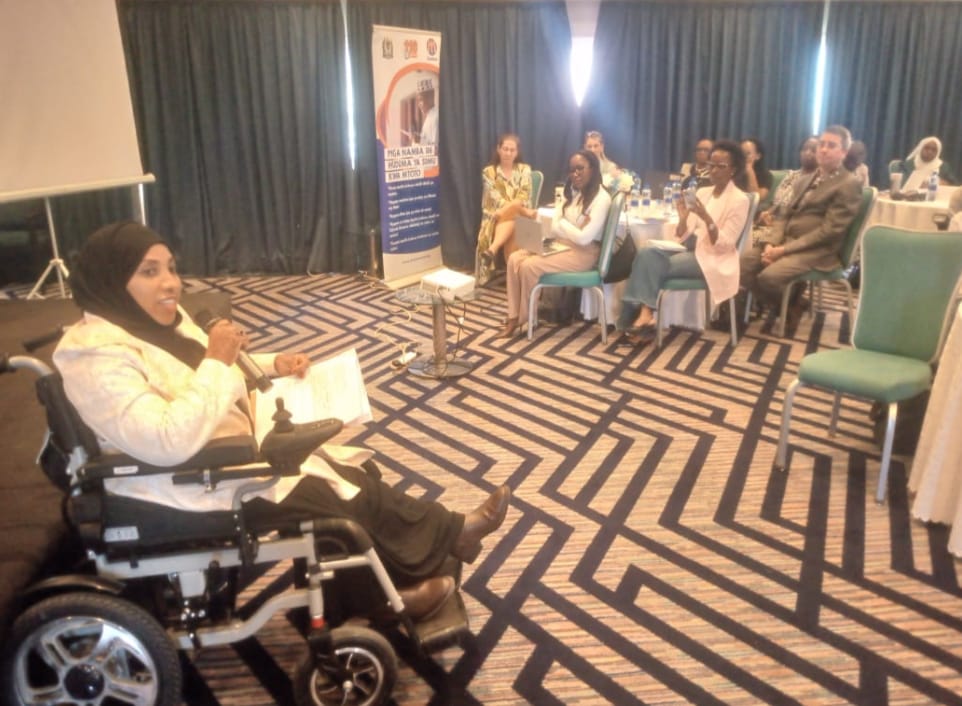
The minister said that protecting women and girls must go beyond physical spaces, calling for joint action among government, private sector and civil society to ensure digital environments remain safe, inclusive and empowering.
Meanwhile, the United Nations Population Fund (UNFPA) warned that rapid digital growth in Tanzania is exposing women and girls to a new wave of technology-facilitated gender-based violence (TFGBV), urging urgent action to safeguard online spaces.
Speaking at the event earlier, UNFPA Tanzania Deputy Representative, Melissa McNeil Barrett, said the country’s digital transformation, marked by over 106 million mobile subscriptions and internet penetration above 85 per cent, must be matched with strong safety measures.
Ms Melissa cautioned that as millions come online, including about 19 million data users in Dar es Salaam alone, women and girls are increasingly targeted by borderless digital abuse, describing TFGBV as a serious human rights violation with physical, psychological and economic consequences.
ALSO READ: PDPC issues final reminder to institutions to submit data before the 8 April deadline
Citing national data, she noted that nearly 40 per cent of married women in Tanzania experience partner violence, warning that the internet risks becoming a new theatre for old cycles of abuse if decisive action is not taken.
Globally, she added, 98 per cent of AI-generated deep fake content is non-consensual and targets women, with emerging threats such as GPS tracking, identity manipulation and misuse of personal data being used to intimidate victims, while harmful content spreads rapidly beyond the reach of traditional justice systems.
However, she commended the government of Tanzania for policy strides, including the 2023 Gender Policy and the 2022 Data Protection Act, and acknowledged support from Finland through the Chaguo Langu Haki Yangu programme in strengthening protection systems.
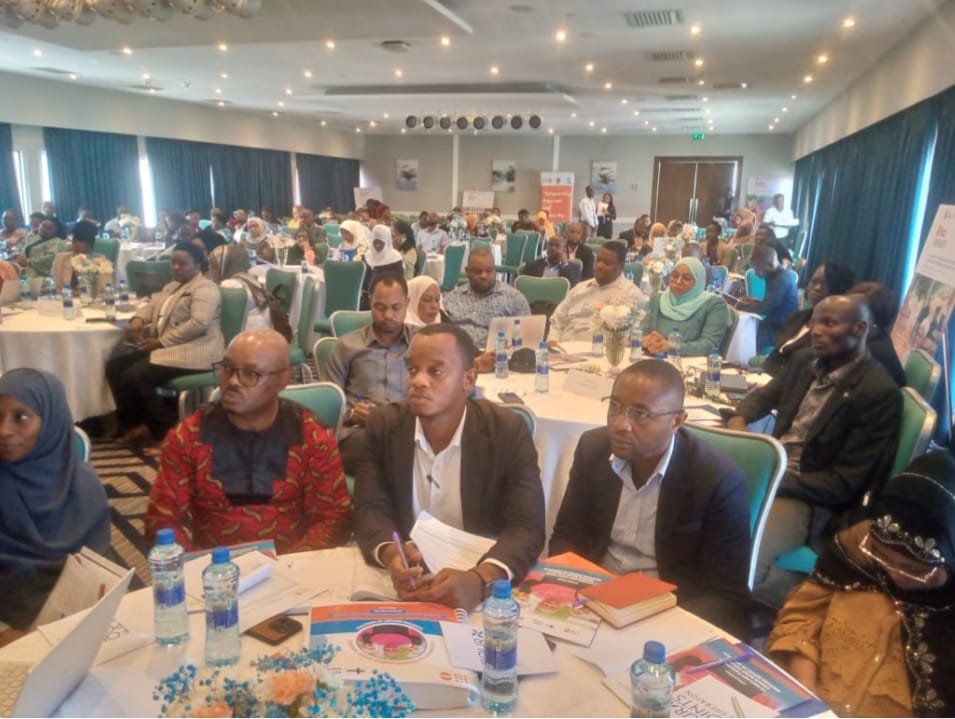
Meanwhile, Finland’s Ambassador to Tanzania, Theresa Zitting, sounded an alarm over the growing threat of online violence against women and girls, calling for urgent global action to make digital spaces safe.
Speaking at a symposium, the envoy said gender-based violence is rapidly shifting into the digital sphere, warning that harassment, fear and exclusion online are undermining women’s rights just as much as physical abuse.
She stressed that violence against women takes many forms, physical, sexual, psychological, economic and increasingly digital, describing it as a fundamental violation of human rights that persists in every country, including Finland.
Citing stark figures from her country, she revealed that 34 per cent of women and 18 per cent of men have experienced violence from a partner, while a significant number have faced sexual violence from non-partners, underscoring the global scale of the crisis.
Ambassador Zitting said Finland is working closely with United Nations Population Fund (UNFPA) in Tanzania through programmes such as My Body, My Rights and Jambulambu Aki Jambu, aimed at advancing women’s rights, ending child marriage and eliminating female genital mutilation.
“We in Finland, we are proud to support UNFPA’s work globally and also here in Tanzania. For the past four years, we have been working together with the UNFPA in Tanzania, in the My Body, My Rights, program, advancing the rights of girls and women, including women with disabilities. We want to eliminate harmful practices such as child-enforced marriages, as well as female genital mutilation,” she said.
She noted that while progress has been made in protecting survivors in physical spaces, the rapid expansion of internet use especially among young people demands equal attention to safety in digital environments.
“This is about respect. And together with UNFPA, we have made significant progress in protecting and supporting survivors. In physical spaces, that work has been mainly done,” the envoy said.
“Digital rights are human rights,” she emphasised, calling for collective responsibility to tackle technology-facilitated gender-based violence and urging stronger collaboration among governments, grassroots actors and the private sector, including companies like Nokia, to build safer and more inclusive digital ecosystems.


