Unity call as nation awaits inquiry findings
DAR ES SALAAM: CITIZENS have been urged to remain calm, united and forward looking as the country awaits the findings of a Commission of Inquiry, with analysts describing the process as a critical step towards national healing, accountability and institutional reform.
As legal processes unfold, experts say national interests particularly unity, peace and social cohesion must take precedence over personal grievances that could inflame tensions.
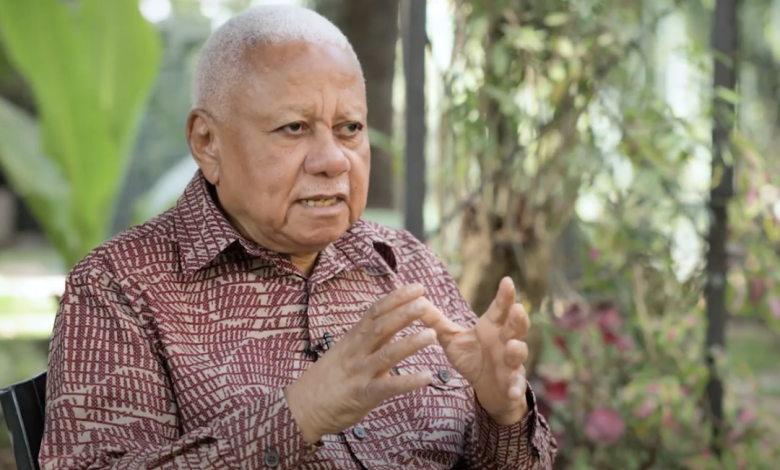
Speaking in a telephone interview with ‘Daily News’, legal and social development analyst Zuberi Ahmadi said the government’s decision to establish the commission reflects both constitutional order and administrative maturity.
“In legal and political science, nations that embrace institutional self correction demonstrate stronger governance than those that suppress conflict through force,” he said.
From a legal standpoint, Mr Ahmadi noted that the forthcoming report is expected to play a unifying role in three key areas.
First, it is likely to dispel speculation surrounding the October 29 incidents, which he said have been marked by an information vacuum and widespread conjecture.
“The report will provide factual clarity, reduce hostility and help foster a shared national understanding,” he explained.
Secondly, it is expected to restore public trust and strengthen cohesion. Citing Article 8 of the Constitution of the United Republic of Tanzania which states that government authority is derived from the people—Mr Ahmadi said the commission signals the state’s willingness to be accountable, reinforcing trust between citizens and leadership.
ALSO READ: Experts say inquiry commission findings will drive reform, national healing
Thirdly, he said the report will shift public discourse from informal and often speculative debate to structured dialogue grounded in legal principles, helping to ease tensions and prevent further unrest.
He added that the prevailing calm among citizens suggests that meaningful steps have already been taken, and that a report anchored in independence, justice and truth will further stabilise society.
Mr Ahmadi emphasised that Tanzania has a strong tradition of using commissions to navigate sensitive national moments.
He cited the Nyalali Commission, which guided the country’s transition from a single-party system to multiparty democracy, and the Warioba Commission, whose recommendations led to key anti-corruption reforms, including the establishment of the Prevention and Combating of Corruption Bureau.
He also pointed to Zanzibar’s reconciliation commission of 2010, which contributed to constitutional reforms and the formation of a Government of National Unity, helping sustain peace on the Isles.
Internationally, he referenced South Africa’s Truth and Reconciliation Commission, championed by Nelson Mandela and Desmond Tutu, noting that its emphasis on restorative justice helped heal deep national divisions and avert further conflict.