Branding gap costs billions in export value
DAR ES SALAAM: TANZANIA earns only a fraction of what its world-class products are worth. From Kilimanjaro and Mbeya coffee to Zanzibar’s cloves, cinnamon and vanilla, from coastal cashew nuts to Tabora’s raw honey, the country produces goods that meet global standards. Yet most are exported as unbranded commodities, leaving the largest share of value to be captured elsewhere.
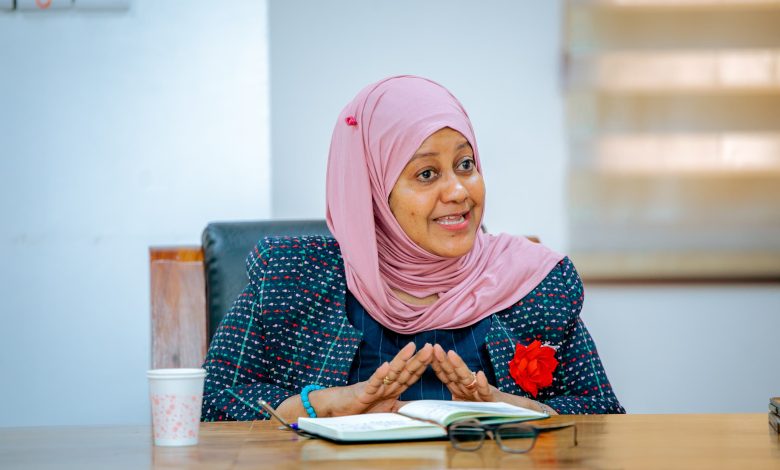
“The problem is not quality, it is branding. We produce some of the finest goods in the world, yet we sell them as commodities,” the Tanzania Trade Development Authority (Tantrade) Director General, Dr Latifa Khamis, told the Daily News.
Branding, she argues, goes far beyond logos or packaging. It is the full perception a customer holds about a product, its story, consistency, quality, identity and emotional connection, often reinforced by national origin.
Climbing the value chain The cost of weak branding is significant.
A kilogramme of raw cashew nuts typically fetches between 2 and 3 US dollars.The same nuts, when processed, packaged and marketed under a strong brand, can sell for between 15 and 25 US dollars.
The difference is not production, it is positioning.
Branding allows producers to move up the value chain, retain profits domestically and compete beyond price. Without a clear identity, Tanzanian products risk invisibility in crowded global markets.
“Consumers buy trust, authenticity and experience, not just a product,” Dr Khamis notes.
A jar labelled organic wild forest honey from Katavi, Tanzania can command several times the price of the same honey sold generically. Over time, such differentiation builds customer loyalty, often a company’s most valuable asset.
Global lessons in branding
Other African economies have demonstrated what is possible.
Ethiopia transformed its coffee sector by branding and trademarking premium varieties such as Yirgacheffe, Harrar and Sidamo turning a commodity into a premium global product. The strategy is estimated to have generated an additional 100 million US dollars in annual export revenue.
Kenya has similarly positioned its tea as a high-quality, traceable product, consistently attracting premium prices at international auctions.
According to Tantrade’s Manager for Capacity Building and Advisory Services, Eng Boniface Mrema, international buyers now demand far more than raw quality.
“Retailers in Europe, North America and the Gulf expect professional packaging, traceability, certification and compelling product stories. Wellbranded Tanzanian products can secure premium shelf space and compete effectively,” he says.
Untapped potential at home
Zanzibar’s spices illustrate the opportunity.
With improved packaging, certification and storytelling, the islands could evolve into a globally recognised premium spice hub. Similar opportunities exist across coffee, honey, cashews and other export crops.
Digital platforms are lowering barriers to entry. Tanzanian entrepreneurs can now reach consumers directly in markets such as New York, Berlin and Tokyo through platforms like Amazon, Shopify and social media channels.
At the centre of this effort is the ‘Made in Tanzania’ mark, managed by Tantrade. More than a label, it is intended to signal quality, authenticity and national identity.
“Every product that carries this mark represents the reputation of Tanzania,” Dr Khamis says. “Businesses are not just selling goods, they are shaping how the country is perceived globally.”
Barriers to overcome
Despite the opportunity, structural challenges remain.
An expert in private sector development and economic diplomacy, Mr Octavian Mshiu, points to limited branding knowledge among entrepreneurs, continued reliance on raw exports, weak packaging standards and inadequate digital presence.
Access to finance for branding and marketing remains constrained, while limited adoption of internationally recognised certifications restricts entry into premium markets.
Tanzania’s next phase of trade growth will depend less on what it produces and more on how it presents it.
The country has the resources, skills and product quality to compete globally. What is required is a shift from volumedriven exports to value-driven branding.
“Stop selling what is grown in Tanzania. Start selling what stands for Tanzania,” Dr Khamis urges. “Build brands. Own value. Represent the nation.”