Tanzania sees success in promoting gender equality in land ownership
NEW YORK: TANZANIA has presented its achievements in empowering women and girls to legally own land across various parts of the country.
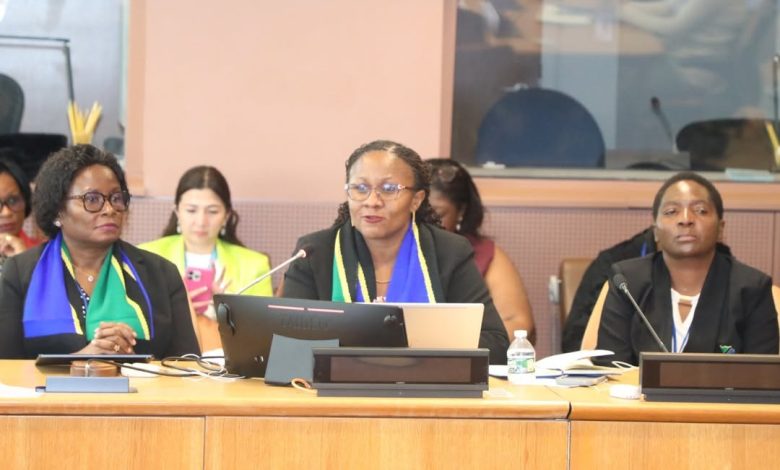
These successes were shared during a side event held alongside the 70th Session of the Commission on the Status of Women in New York, United States.
Speaking at the event, Deputy Permanent Secretary of the Ministry of Lands, Housing and Human Settlements Development, Lucy Kabyemera, said Tanzania has continued to create an enabling environment to ensure women can legally acquire land rights.
She emphasized that this initiative is part of the government’s broader efforts to promote gender equality in land ownership and resource utilization.
Kabyemera explained that the government has been running multiple campaigns to educate communities on the importance of women and girls owning land. According to her, these campaigns aim to help communities overcome social and cultural barriers that hinder women and girls from accessing land rights.
ALSO READ: Men urged to champion gender equality
Providing detailed data, Director of Land, Ministry of Lands, Housing and Human Settlements Development, Dr Upendo Matotola, reported that currently 28 percent of women in Tanzania own land, attributing this achievement largely to the supportive framework established under the National Land Policy, 2023 edition.
Dr Matotola added that this number is expected to increase as the policy strengthens the protection of land rights for women and girls. He noted that the policy has also removed certain restrictions rooted in traditional practices, especially regarding inheritance, thereby facilitating women’s and girls’ access to land.
He further highlighted that the use of digital systems in land service delivery has simplified access to services and information with a gender perspective. To date, approximately 34 percent of women have accessed land services through the digital platform. During the side event, other countries that shared experiences and achievements included Kenya, Uganda, and Ethiopia, while civil society organizations continue to provide legal education to enhance community understanding of women’s and girls’ land rights.