

Young Africans, sexual health and social media: Which messages work, which don’t
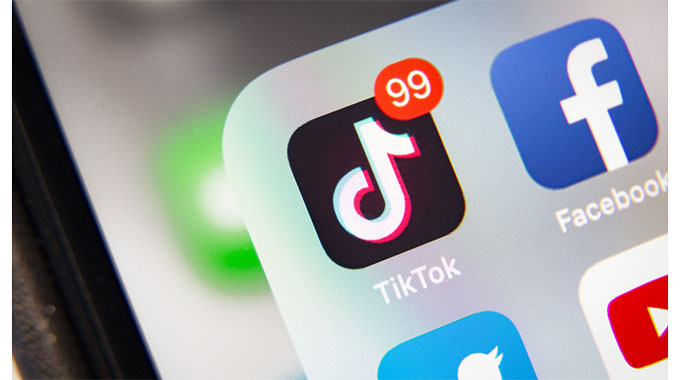
AFRICA: The increasing use of social media, particularly in African countries, offers several opportunities to promote messages about sexual health behaviours among young adults on the continent.
It can complement existing sexual health promotion strategies, particularly when physical distancing measures limit opportunities to meet and interact in person.
In addition, the fact that social media platforms allow for multi-directional communication opens new possibilities.
Young people don’t just need to be passive consumers of sexual health information.
They can also actively engage on sexual health issues in their private space at a time convenient for them.
But are these opportunities being used? We analysed 3,533 peer-generated sexual and reproductive health messages to find out.
The posts were shared on a public Facebook group by and for young African adults between June 1, 2018, and May 31, 2019. We also independently classified the posts into categories such as topic, strategy, and tone of communication.
Our aim was to understand the unique features associated with higher engagement with peer-generated sexual health information.
We concluded that strategies to help young people make informed decisions about their sexuality needs to increase access to – and interaction with – sexuality information on platforms.
But we found that invoking fear and issuing threats don’t work.
Social media engagement Social media platforms like Facebook and WhatsApp are the most preferred digital platform for accessing sexual health information among young adults who participated in an earlier survey we did.
But several sexual health interventions on social media across Africa and globally have reported low levels of interaction – in part because of the sensitivity of sexuality issues.
Despite this, high levels of interaction and propagation of sexual health information on social media are crucial to increasing information reach.
ALSO READ: Tanzanians warned of Social Media news disrupting peace and harmony
Engagement metrics such as reactions (favourites), comments (replies) and shares (retweets) are used by social media platforms, including Facebook’s algorithm to determine information reach.
These metrics determine which social media content is seen by users and those in their networks.
Our analysis found that young people were more likely to superficially interact with sexual health information.
This is done through likes rather than leaving comments or sharing posts. We also observed a dominance of precautionary voices and a language of consequence.
In these cases young people were advised to abstain from sexual activity or “face consequences” of HIV infection, sexually transmitted infections and pregnancy.
Close to a quarter of all the posts evoked fear, stigma, or guilt.
The use of fear, guilt or shame tactics was particularly common among posts focusing on abortion or birth control methods (52%) as well as sexual abstinence (41%) or purity messages (33%).
This post talks to the issue of stigma: If you are not a virgin on your wedding day, you are not supposed to hold a bouquet because you are no longer a virgin. Holding a flower is a symbol of virginity.
This one to fear: Dear boys and girls, condoms may protect you from sexually transmitted diseases but not from Spiritual Transmitted Demons (STDs).
EPA




References:
Legiano Casino Spielautomaten http://www.hamatata.com/
References:
KingMaker Casino Einzahlung Freispiele https://goz.vn
References:
KingMaker Casino Anmeldebonus https://computic.com.co/tawnyamcni
References:
Hitnspin casino bonus code http://images.google.cf/url?q=https://vocab.getty.edu/resource?uri=https://de.trustpilot.com/review/der-wikinger-shop.de
References:
Hit and spin casino hoyot.nnov.org
References:
Hit spin casino http://maps.google.cat/url?q=https://wikisoporte.fcaglp.unlp.edu.ar/api.php?action=https://de.trustpilot.com/review/der-wikinger-shop.de
References:
Hitnspin app mamavrn.ru
References:
Lollybet Casino Verifizierung http://images.google.pn/
References:
Lollybet Support http://www.bing.com/news/apiclick.aspx?ref=FexRss&aid=&tid=3a943a83998f4e7fa1c95b824a1071b9&url=https://may22.ru/user/pricesweets3/
References:
Lollybet Casino Promo Code http://clients1.google.mw/
References:
Lollybet Casino Erfahrungen https://rufox.ru/go.php?url=https://images.google.com.eg/url?sa=t&url=http://lollybet.com.de
References:
Lollybet Casino Bonus Code http://nashi-progulki.ru/bitrix/rk.php?goto=http://spinvai.com/priscillalansf
References:
Lollybet Willkommensbonus http://toolbarqueries.google.ng/url?q=https://materialwiki.site/wiki/Spielothek_mit_Live_Casino_Jackpots
References:
Lollybet Bonus http://www.swadba.by
References:
Lollybet Spielautomat http://toolbarqueries.google.hn/
References:
Lollybet Casino Treueprogramm link.zhihu.com
References:
Hitnspin casino betrug http://3.reddotcr.cafe24.com
References:
Hit n spin casino deutsch http://backlink.scandwap.xtgem.com/
References:
Lollybet Anmeldung hamatata.com
References:
Lollybet Casino Zahlungsmethoden http://www.google.cg/
References:
Lemon Casino Erfahrungen ktmoli.com
References:
Candy 96 login talenthubsol.com
References:
Vulkan Vegas Casino Bonus gitea.fcyt.uader.edu.ar
References:
Candy96 Casino review https://bwjobs4graduates.online/companies/candy96-casino-australia-pokies-bonus-deals-fast-withdrawals