Why adopting LPG with safety standards matters
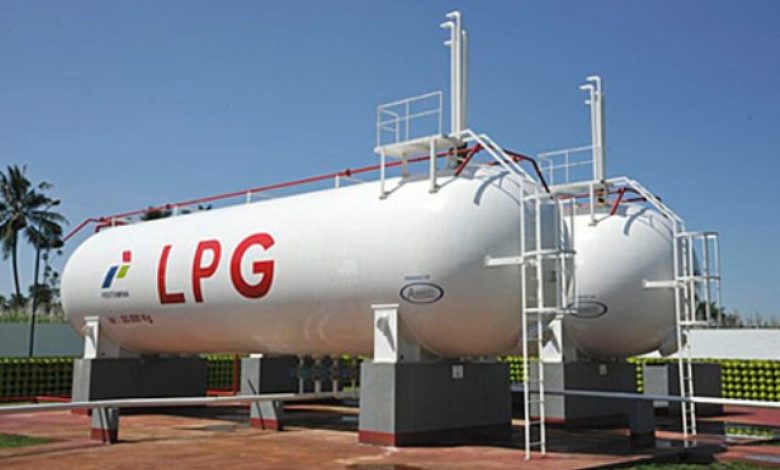
Dodoma: The Tanzanian Government, through its National Clean Cooking Strategy (2024–2034), has demonstrated the country’s unwavering commitment to advancing the clean cooking agenda as part of global efforts to address the challenges of climate change.
Recognising the importance of cooking energy, the Government of Tanzania has taken various measures to ensure cooking is efficient, safe, affordable, and accessible, aiming to increase the adoption of clean cooking solutions nationwide. However, while policies and strategies exist across different sectors and institutions, such initiatives to promote clean cooking have lacked coordination and national guidelines, hindering widespread adoption.
To address these challenges, the government, in collaboration with various stakeholders, has developed the National Clean Cooking Strategy 2024-2034, which aims to achieve an 80 percent adoption rate of clean cooking among Tanzanians by 2034.
This agenda is also championed by President Samia Suluhu Hassan, who has been recognised by African Union (AU) member states as a champion of clean cooking during the COP28 summit held in Dubai, United Arab Emirates (UAE).
During the closure of the second African Group of Negotiators (AGN) meeting on climate change held in Dar es Salaam in August this year, the group’s Chairperson, Dr Richard Muyungi, explained Tanzania’s commitment to maintaining its leadership role in ensuring that at least 80 percent of Tanzanians have access to clean cooking energy by 2030.
“President Samia has been nominated by her party to stand again for the presidency for the next five years. This is expected to further enhance the clean cooking agenda and the Mission 300 initiative on the continent,” Dr Muyungi was quoted as saying at the meeting.
In Tanzania, both the public and private sectors are taking part in this initiative, which is geared toward addressing climate change challenges while improving public health—especially for women, who are more vulnerable to the negative impacts of global warming. Many women, particularly in rural areas, are forced to walk long distances in search of firewood.
Even after obtaining firewood, the problem persists. Smoke produced from firewood affects the eyes and respiratory systems of those using such stoves. The same applies to charcoal use. A majority of women in developing countries like Tanzania find themselves trapped in this situation due to traditional norms that assign cooking responsibilities primarily to women.
Energy reports indicate that LPG imports increased by 38 percent, from 293,167 tonnes in the 2022/23 financial year to 403,638 tonnes in 2023/24. This growth has been driven by improved public awareness of the importance and convenience of using clean cooking energy instead of traditional fuels such as charcoal and firewood.
As Tanzanians increasingly adopt clean cooking practices—thanks to the National Renewable Energy Strategy 2024–2034, the Head of State, and the efforts of both public and private sectors—adhering to safety standards in the transportation, storage, and distribution of liquefied petroleum gas (LPG) is critical to preventing loss of life and property resulting from mishandling.
To ensure sustainable use of LPG (cooking gas), the Energy and Water Utilities Regulatory Authority (EWURA)—an autonomous multi-sectoral regulatory authority established under the EWURA Act, Cap 414 of the laws of Tanzania—has issued Safety Standards for the Transportation, Storage and Distribution of LPG (Cooking Gas).
In addition, the use of LPG—particularly for cooking—helps protect forests and reduce carbon emissions by minimising reliance on firewood, charcoal, and kerosene. Retail dealers do not require an EWURA licence but must operate under the supervision of licensed LPG distributors. They are also required to comply with recognised business procedures, including adherence to safety standards.
“LPG has numerous benefits—it protects health, preserves the environment, saves time, and contributes to economic growth. It is very safe when handled, stored and used correctly,” EWURA emphasises.
EWURA’s roles in clean cooking drive
The petroleum sub-sector in Tanzania is regulated under the Petroleum Act of 2015 (Chapter 392) and the National Energy Policy of 2015. Chapter 392 empowers the Energy and Water Utilities Regulatory Authority (EWURA) to regulate midstream and downstream petroleum operations, including liquefied petroleum gas (LPG) activities.
In addition, the EWURA Act (Chapter 414) grants the regulator authority over the technical, economic, and safety aspects of the petroleum sub-sector.
To ensure sustainability of the sub-sector, the Liquefied Petroleum Gas (LPG) Business Operations Regulations of 2020, together with the 2022 amendments, were formulated to provide guidelines for conducting LPG business in the country. Among other provisions, the regulations require LPG importers, wholesalers, and distributors to obtain business licences issued by EWURA.
Regarding safety and sustainability, EWURA has issued standards for the transportation, storage, and distribution of LPG (cooking gas). These standards, available on the regulator’s website, are designed to protect health, preserve the environment, save time, and contribute to economic growth.
According to the guidelines, LPG cylinders should be stored upright on a firm, level surface to prevent falling and should be inspected regularly to ensure they are in good condition and free from rust.
“Store cylinders in a well-ventilated area, not in basements or enclosed spaces where temperatures can rise. Keep cylinders in secure areas where they cannot fall, be damaged, struck by vehicles, or tampered with,” EWURA emphasised.
Dealers and users are also advised to store LPG cylinders at least eight metres away from welding gas cylinders and to avoid placing them near sources of heat, open flames, or areas that could obstruct evacuation during emergencies.
Regarding transportation, EWURA advises that LPG cylinders must be transported upright with the valve positioned at the top. When cylinders are upright, the gas remains in gaseous form, which is safer; when laid horizontally, it becomes liquid, increasing risk and potentially damaging the valve.
EWURA urges traders to ensure that vehicles used to transport cooking gas meet all safety compliance standards and preferably run on diesel rather than petrol.
“Open-body trucks are highly preferred, and if covered, there must be sufficient airflow—especially from the bottom. Cylinders must be firmly secured to prevent movement during transportation,” the regulator advises.
Additional safety measures include ensuring that valves of upper cylinders do not come into contact with those below and that cylinders are tightly secured using strong ropes or straps.
EWURA’s LPG safety standards also address storage facilities, requiring dealers to have fire-fighting equipment that is regularly inspected and certified as functional.
Dealers must also ensure that safety signs are clearly visible, emergency exit routes are well marked, and emergency contacts for fire brigades and police are displayed. Adequate lighting and ventilation are mandatory.
“Storage facilities must be located away from fire or heat sources such as stoves, batteries, electrical machines, or spark-producing areas. They should not be near main entrances or exits or in areas where evacuation may be obstructed,” reads part of EWURA’s standards.
Dealers are further advised to avoid contamination by keeping storage areas away from rainwater channels or drainage systems.
ALSO READ: EWURA urges companies to step up inspections to curb gas tampering
EWURA has undertaken these initiatives to safeguard the sector, given its mandate as an autonomous multi-sectoral regulatory authority established under the EWURA Act, Cap 414 of the laws of Tanzania. The authority is responsible for technical and economic regulation of the electricity, petroleum, natural gas, and water sectors.
EWURA envisions becoming a world-class regulator for sustainable energy and water services, with a mission to regulate utilities in a transparent, effective, and efficient manner that ensures quality, availability, and affordability.
Its functions include issuing licences, regulating rates and charges, formulating rules, monitoring sector performance, facilitating dispute resolution between service providers and consumers, and disseminating relevant information.
In carrying out its mandate, EWURA strives to enhance public welfare by promoting effective competition and economic efficiency, protecting consumer interests, and safeguarding the financial viability of efficient service providers.
Other responsibilities include promoting access to regulated services for all consumers—including low-income, rural, and disadvantaged groups—while protecting the environment and enhancing public knowledge, awareness, and understanding of regulated sectors.