Why youth voting crucial in elections
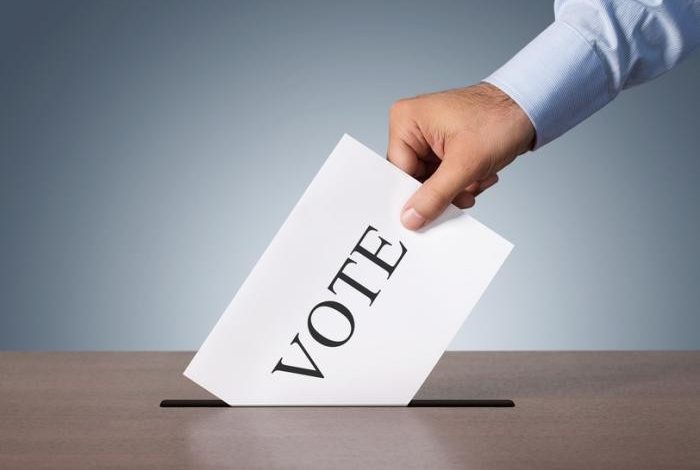
DAR ES SALAAM: AS Tanzania heads towards its next General Election this October, youth participation is expected to play a critical role in shaping the country’s democratic future and determining the nation’s leadership.
Political analysts, governance experts and youth advocates agree that young people, both as voters and candidates can be game changers in determining the direction of the country.
Speaking to the ‘Daily News’, stakeholders underscored the importance of young Tanzanians registering to vote and participating in intra-party nomination processes to run for leadership positions.
Youth advocate and Speaker of the African Union (AU) Students’ Parliament, Ms Diana Shabani, 23, said that citizens’ participation in the upcoming General Election is the “lifeblood of democracy” and an essential part of shaping Tanzania’s future.
“Our Constitution places sovereignty in the hands of the people. Article 5(1) grants every Tanzanian citizen aged 18 and above the right to vote,” she said.
“When we vote, we aren’t just ticking a box, we’re exercising our supreme authority as citizens and fulfilling our social contract.”
Ms Shabani said that voting is more than a legal duty; it is the most direct tool for citizens to demand accountability and influence governance.
“The officials we elect make decisions that affect healthcare, education, infrastructure, job creation—you name it,” she noted.
“Low voter turnout weakens the legitimacy of these decisions and allows leaders to act without truly representing the people’s will.” She called on young, educated Tanzanians to embrace their role in shaping the nation’s future.
“We inherit the long-term consequences of today’s decisions. Our energy, innovation and understanding of modern issues—such as technology, climate change and economic transformation, are crucial for Tanzania’s progress,” she According to Ms Shabani, voting in the upcoming election reaffirms a commitment to peaceful, constitutional processes and strengthens democratic institutions.
“Each vote is a brick in the foundation of a stronger, more resilient Tanzania,” she said. “Let’s honour our rights, fulfill our responsibilities and actively shape the future we believe in. Silence hands that future to others.” This year marks Ms Shabani’s second time voting in a General Election.
Political analyst Mr Yona Mapury, who also serves as a member of the ruling CCM’s Mwanza Region Parent Wing, urged youths not only to vote but also to run for leadership roles, including parliamentary, ward councillor and even presidential positions.
ALSO READ: Clerics call for ethical voting
Citing data from the 2022 Population and Housing Census, he noted that youth account for more than 34 per cent of Tanzania’s population of over 61 million, making them a powerful demographic in national decision-making.
“Youths must be part of the policymaking and implementation processes if we are to achieve inclusive, sustainable development,” Mr Mapury said.
He encouraged citizens to elect visionary leaders who can uphold peace, unity and development goals.
“We are in a pivotal election year. It’s through voting or being voted for that we choose the leaders who will shape our future,” he said.
“These leaders will implement party manifestos, development strategies, and national plans.” A public administration and governance expert from the Institute of Accountancy Arusha (IAA), Dr Adam Mnyavanu called on political parties to prioritise youth-related issues in their campaign agendas.
These include employment, support for Small and Medium Enterprises (SMEs), skills development and national security.
“Youths should not be seen merely as voters, they are central to the present and future workforce capable of driving Tanzania’s industrialisation agenda,” Dr Mnyavanu stressed.
He also stressed the need for greater integration between higher education institutions and vocational training, agro-based education and youth livelihoods programmes.
“Youths have the power not only to decide the outcome of the election but to redefine and accelerate national development,” he added.
According to Dr Mnyavanu, youth votes are more than just numbers on a ballot—they represent a vision for the kind of government needed to meet the aspirations and challenges of the next generation.