30 years after Beijing Conference: Tanzania celebrates progress
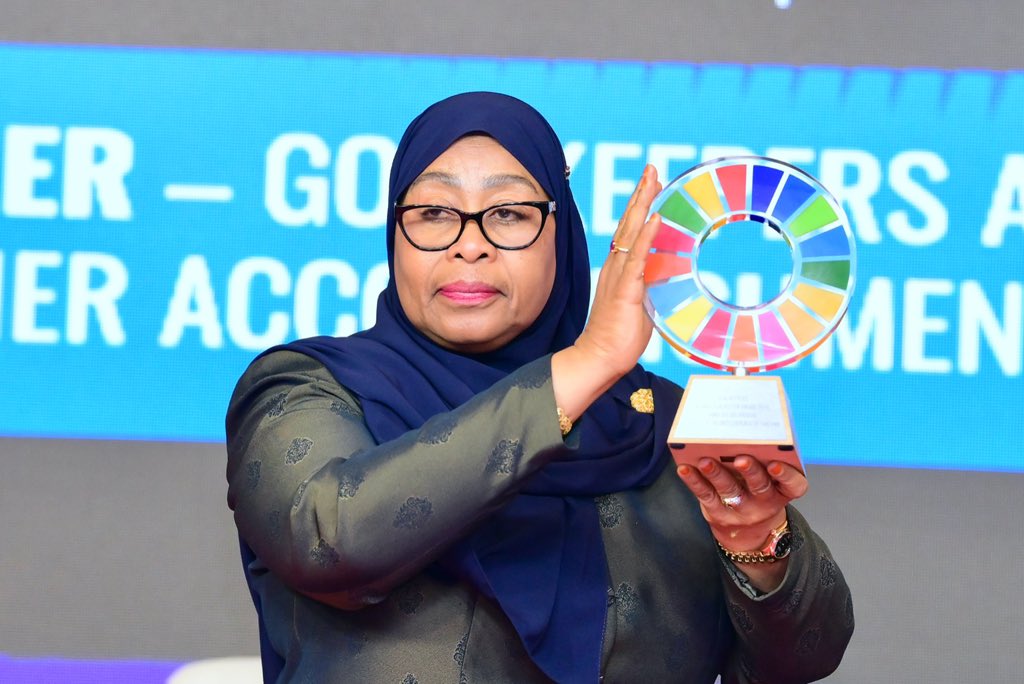
DAR ES SALAAM: AS the world marks 30 years since the Beijing Conference this year, Tanzania has made significant progress in addressing key issues identified as critical for women, including increasing their participation in decision-making and leadership roles.
Specifically, another area where the country has made significant progress is in the welfare of the girl child. During the conference, governments were urged to take action to eliminate all forms of discrimination against girls, eradicate negative cultural attitudes and practices, promote and protect the rights of the girl child, and raise awareness of her needs and potential, among others.
According to Tanzania Gender Networking Programme (TGNP) Executive Director, Ms Lilian Liundi Tanzania has made progress in three decades after the Beijing Conference.
She said Beijing Conference was a time when women from all walks of life raised their voices in unison, demanding recognition of their rights as human rights.
“This gathering ignited global movement urging governments to commit to women empowerment everywhere in the world.
“From that pivotal moment, we began to see a shift and recognition that women are entitled to the same rights and opportunities as men,” she pointed out.
Elaborating, she said that the twelve critical agendas established at the Beijing laid the foundation for women’s empowerment.
Ms Liundi said that Tanzania has made significant strides, noting that as of January 2019, the country ranked 2nd in East Africa with 36.9 per cent of parliamentary seats held by women
“This achievement is not just a statistic; it is a reflection of our resilience and strength as women united in purpose. We have witnessed groundbreaking moments, our first female President Samia Suluhu Hassan and two powerful female speakers of the Parliament, Anne Makinda and Dr Tulia Ackson,” she said.
She added; “These milestones remind us that together we can break barriers and shutter ceilings.
Ms Liundi cited Mkunwa Ward in which in the just concluded local government election almost 50 per cent of hamlet chairpersons are women.
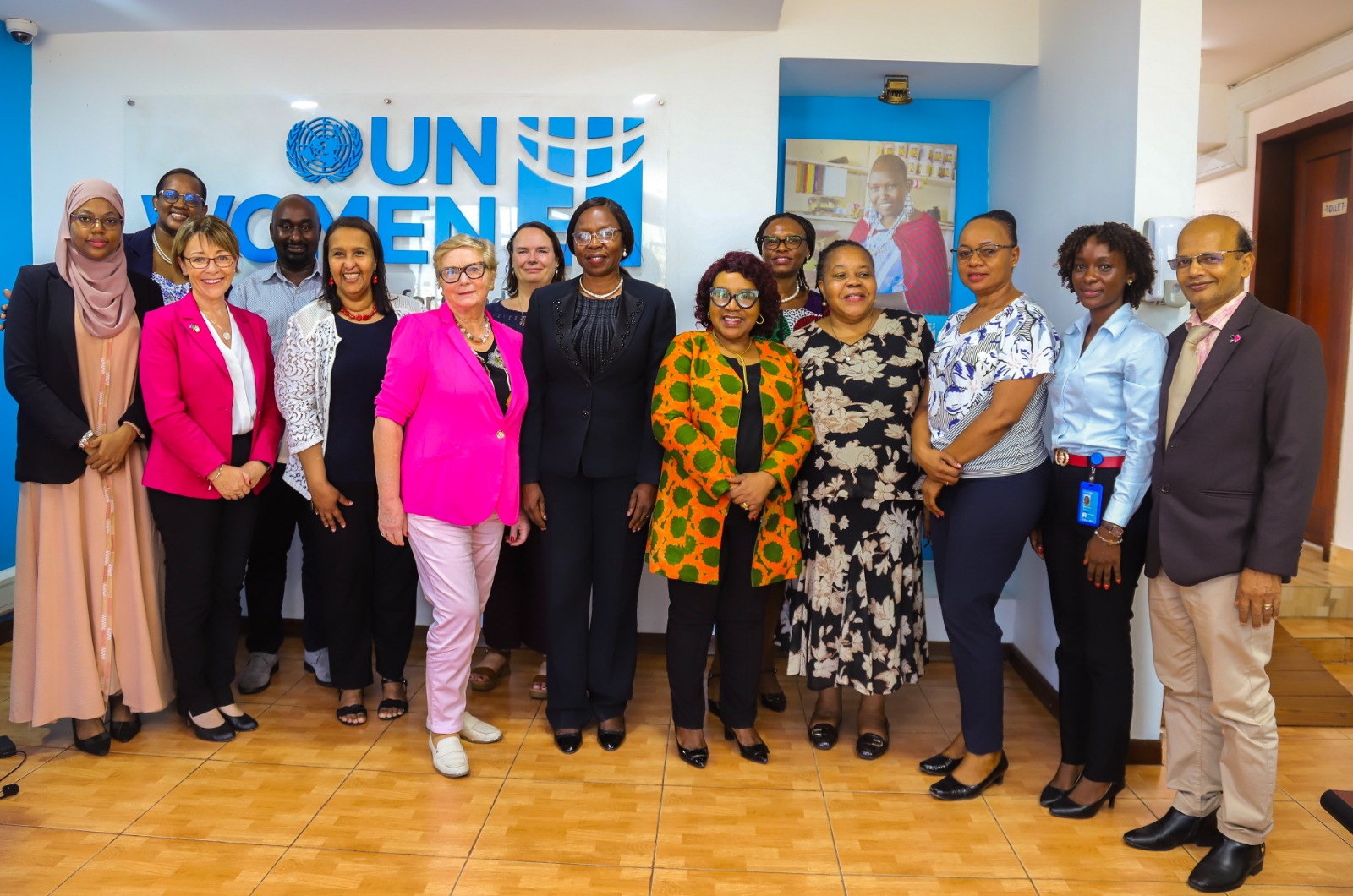
She said the achievements have been made possible through the leadership project which was being implemented by TGNP in the area with support from the UN Women.
Ms Liundi further said that despite the progress, the number of women in local government is still low, noting that only 6.5 per cent of women are Councilors, adding that after 2019 local government election women made only 2. 1 per cent of elected village chairpersons, 6.7 per cent of elected hamlet chairpersons, and 12.6 per cent of elected street chairpersons.
“These are very low numbers. We have to do something, especially at the local government,” she said despite the milestone, there are still challenges in which women need to confront with unwavering courage and determination such as the barriers they face, cultural biases, economic disparities and systemic discrimination.
“Together we can dismantle these obstacles and advocate for policies that empower women at all levels of decision making. Our voices are powerful tools for change. Let us envision a future where you and I lead with confidence in every sphere of life,” she said.
In the course, she called upon women to work towards increasing their participation in politics and leadership roles while fostering a supportive environment that nurtures their aspiration.
ALSO READ: FOREIGN POLICY SHIFTS: TZ to boost internal financing
Ms Liundi also said that during the Beijing Conference, African delegates played an important role in shaping the global agenda for the girl child.
“They brought unique challenges faced by girls in Africa into sharp focus, highlighting critical issues such as limited access to education, the prevalence of early and forced marriages, and the impact of poverty on young girls,” she said.
In a related development, she stressed that African leaders successfully pushed for the inclusion of the girl child as a priority in the Beijing Platform for Action, recognizing that addressing the barriers faced by girls was essential to achieving broader gender equality.
Commenting on the girl child, Prof Ruth Meena, retired lecturer at University of Dar es Salaam and Feminist Activist said that 30 years after the Beijing Conference, Tanzania has adopted numerous guidelines and policies that protect children from all forms of discrimination.
She cited the 2008 Child Development Policy which provides guidelines to safeguard children’s rights, including the right to life without the threat of being deprived of it, the right to education and the development of the child’s talents, the right to protection from all forms of abuse, the right for children to participate in matters that concern them according to their age, and the right for children not to be discriminated against based on their status.
Prof Meena said that alongside the child policy, the government also enacted Law of the Child Act No 21of 2009 which outlines the rights of the child, including the right to parental care, access to basic needs, education, and protection from any form of abuse.
This law prohibits all forms of discrimination against children based on religion, gender, ethnicity, age, or disability status.
An international Gender Specialist, Leticia Mukurasi said Tanzania has made significant progress in the Vision 2050 compared to Vision 2025.
“In Vision 2050, reference to gender equality appears from the first page, whereas in Vision 2025, it was introduced much later,” she explained.
“This shift shows a growing recognition of the need to address gender disparities as a priority.”
She also noted tangible achievements, such as a reduction in maternal mortality rates from 602 to 104 per 100,000 live births and increased school attendance among girls.
However, challenges remain, particularly in eradicating early marriages and ensuring equal access to opportunities.
The critical areas of concern for women identified in the Beijing Declaration and Platform for Action included poverty, education, health, violence, armed conflict, power and decision making, human rights, media, environment, the girl child and institutional mechanism.
This year the global community celebrates three decades since the adoption of the Beijing Declaration and Platform for Action.
This landmark framework, endorsed by 189 countries, remains a blueprint for achieving gender equality and empowering women and girls worldwide.